

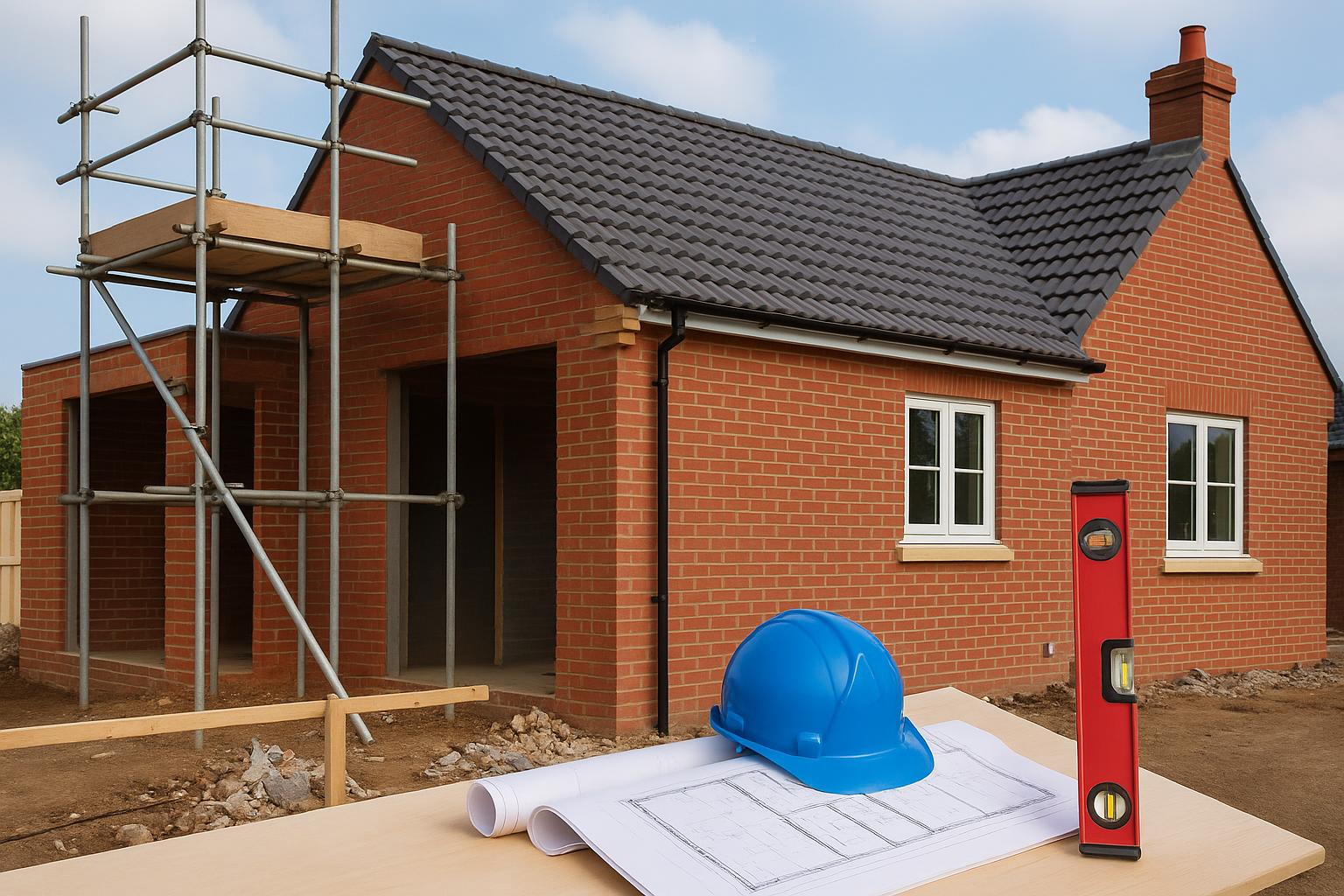
Building control plays a crucial role in Essex whether you are planning a home extension, loft conversion, garage conversion, or a completely new build. In many cases, homeowners often confuse building control with planning permission, thinking one is a substitute for the other.
At its core, building control focuses on ensuring that construction work meets the required safety, structural, energy efficiency, and accessibility standards. These regulations are available as part of official building regulations throughout the different regions of the UK.
When Homeowners in Essex Need Building Control Approval
Approval of building control in Essex begins before starting construction or renovation work. Building control inspectors ensure that any work carried out meets current building regulations for safety, energy efficiency, structural stability, and accessibility.
Approval is often required for projects related to loft extensions and the construction of new structures. Besides those, structural renovations that may involve removing load-bearing walls or installing new staircases also require inspection and approval.
Smaller tasks or renovation projects may be exempt from building control Essex requirements. However, you shouldn’t assume first; we recommend contacting your local authority or a building control expert before commencing.
Failing to obtain approval can create problems when selling the property since buyers and solicitors often request building control certificates as proof that the work was completed legally and safely.
The Essex Building Control Application and Inspection Process
Before starting most construction or major renovation projects in Essex, homeowners are typically required to submit a building control application. The purpose of this is to ensure the work complies with the current building regulations.
As a homeowner, there are two ways you can apply for building control Essex: a full plans application or a building notice.
A building notice is often used for smaller residential works. It is more simplified than the full plans application, which requires detailed drawings and specifications for review before construction begins. The full plans application is commonly recommended for larger or more complex projects.
Once the application is approved, building control Essex inspectors carry out site visits at various stages of the project. These site visits help identify any issues early and ensure the work follows standards as per the official building regulations in Essex.
Upon successful project completion, you will receive a completion certificate if all requirements have been met. This certificate will play a crucial role if you one day choose to sell or lease the building.
Tips for Avoiding Delays and Compliance Issues
In most instances, lack of proper planning is the major reason behind delayed approvals. The best workaround is hiring experienced professionals who understand local building regulations. Working with qualified and experienced professionals, for example, architects and structural engineers, can help ensure your plans meet current compliance standards before work begins.
Make certain you maintain proper communication with your building control officer. Site visits are required at different stages of construction, and failing to schedule them on time may result in delays.
Lastly, use the right materials and qualified professionals for specialist work such as electrical installations. Using substandard products can lead to failed inspections, requiring expensive corrections and delayed approval.
