

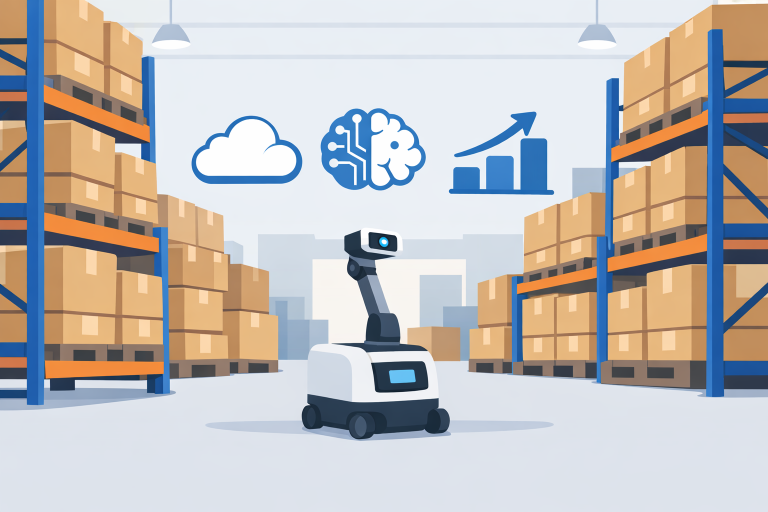
In today’s competitive environment, efficient stock management is fundamental for business success. The integration of technologies such as artificial intelligence, automation, and cloud-based systems has transformed how companies track, forecast, and optimize their inventory. As a result, businesses are operating more efficiently, with fewer errors and lower costs. Companies seeking to modernize their inventory management practices are seeing vast improvements from these advancements.
With the fast pace of modern markets, leveraging these technologies not only helps reduce overhead but also positions companies to react swiftly to shifts in demand or supply chain disruptions. Real-time data and predictive analytics now provide actionable insights, while automation minimizes manual effort and error rates. These changes are crucial for maintaining reliable product availability and customer satisfaction.
The Shift Towards AI-Driven Inventory Systems
AI is emerging as a central driver in the world of inventory management. Companies like Lowe’s have incorporated AI-powered platforms to analyze real-time demand trends. By partnering with providers such as Relex Solutions, they are improving their end-to-end inventory planning, which allows for a more united and optimized distribution of products. This approach enhances their ability to adapt to fluctuating consumer needs and streamlines replenishment, closing the gap between planning and execution.,KLHNJ
Real-Time Data Enhancing Decision-Making
Access to up-to-date stock and sales data provides decision-makers with the tools they need to minimize excess stock and avoid shortages. For example, Staples adopted Manhattan Active® Warehouse Management to improve accuracy and reduce time spent on order corrections and manual checks. This shift has resulted in more streamlined order fulfillment and better overall stock management, demonstrating the practical benefits of real-time operational transparency.
Automation and Robotics in Warehousing
The adoption of warehouse robotics and automation has brought productivity improvements to many organizations. LAPP USA’s use of the Corvus One drone system exemplifies this shift. In just a month, the company witnessed major efficiency gains and a reduction in manual labor. Drones and autonomous vehicles are increasingly managing repetitive tasks like inventory counting and stock checks, freeing up human workers for more strategic activities.
Predictive Analytics for Demand Forecasting
Predictive analytics harnesses historical and current data to forecast demand and adjust stock levels proactively. Mattress Firm’s adoption of Invent.ai technology is a case in point: by implementing advanced analytics, they have upgraded their ability to forecast sales and replenish distribution centers effectively. This kind of technology helps businesses keep shelves stocked with the right products at the right times, ensuring better service levels while minimizing excess stock costs.
Cloud-Based Solutions for Scalability
Cloud inventory management platforms introduce scalability and adaptability that on-premises systems cannot match. For instance, Lightspeed Commerce’s Inventory Replenishment solution, part of Lightspeed Retail, empowers retailers with automated ordering and centralized control over stock. Cloud technologies also facilitate collaboration between departments and locations, supporting business growth and seasonal surges without overwhelming existing infrastructure.
Challenges and Considerations
Despite the undeniable advantages, companies face several hurdles when implementing modern inventory management systems. Integrating new solutions with legacy software can be complex, requiring substantial IT investment and project management. Employee adoption and adequate training are essential, as even the best systems are ineffective without engaged and prepared teams. Security and data protection also become more critical as processes move online, requiring businesses to stay updated on best practices and regulations in cybersecurity. Planning and involving all stakeholders from the start are vital steps for a successful transition.
Emerging Trends and Future Prospects
Looking forward, several emerging trends are poised to further revolutionize inventory management. One such trend is the implementation of Internet of Things (IoT) technologies, which enable sensors, RFID tags, and connected devices to monitor and report stock levels in real time. Warehouses and retail environments leveraging IoT can achieve near-perfect visibility across supply chains, automatically triggering replenishment orders and identifying bottlenecks before they become disruptive. Combined with AI and machine learning, IoT can yield adaptive inventory models that respond instantly to consumer behavior and market dynamics.
Another area with tremendous potential is blockchain technology, which can bring transparency and integrity to inventory records. Through decentralized ledgers, companies can trace every transaction in their supply chain, building trust among partners and consumers alike. This heightened traceability helps prevent fraud, counterfeiting, and losses associated with mismanaged inventory while streamlining compliance with regulatory demands. As global commerce grows ever more complex, the assurance provided by blockchain may become indispensable.
Moreover, as e-commerce continues to reshape shopping habits, businesses are exploring omnichannel inventory strategies. These approaches seamlessly integrate brick-and-mortar, online, and mobile sales channels, ensuring consistent product availability and efficient fulfillment regardless of where the order originates. Retailers implementing unified inventory systems can ship products directly to customers from stores or redirect stock as local demands fluctuate, reducing lost sales and excess holding costs.
Environmental sustainability is also gaining prominence in inventory management. Companies are using advanced technologies to minimize waste, lower carbon emissions, and support circular supply chains that reuse resources wherever possible. Data-driven insights help identify the most environmentally friendly practices, supporting marketing and regulatory efforts while improving the company’s reputation with consumers who increasingly value green initiatives.
Best Practices for Modern Inventory Management
To successfully adopt modern inventory management solutions, organizations should follow several best practices. Start by conducting a comprehensive needs assessment to understand current pain points and opportunities for improvement. Engage key stakeholders early in the planning process to ensure their support and gather valuable insight. Invest in robust training programs to empower employees and promote successful system adoption, and maintain regular evaluations to measure system performance against clear KPIs.
Additionally, prioritize data quality by ensuring accurate, timely, and consistent record-keeping. Employ strong cybersecurity protocols, update software regularly, and monitor systems for emerging threats to protect sensitive information. Finally, consider leveraging partnerships with experienced technology providers who can guide integration, scaling, and maintenance efforts for lasting competitive advantage.
Conclusion
Technological advancements are transforming inventory management, providing businesses with greater control, efficiency, and agility. Through the use of AI, real-time analytics, robotics, and cloud-based platforms, companies can optimize stock levels and improve service quality. These innovations not only bring significant cost savings but also help businesses remain resilient in a rapidly evolving marketplace.
