

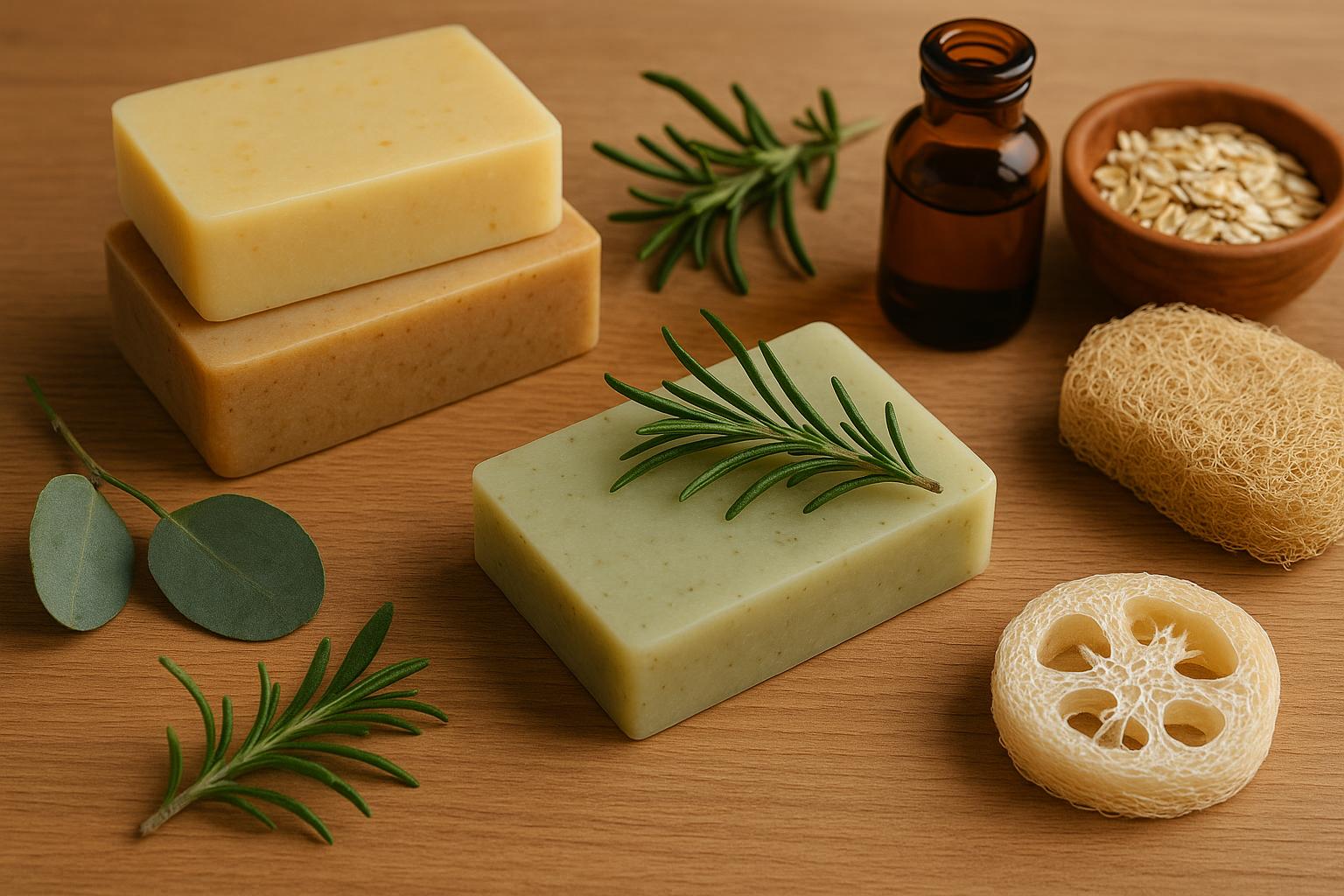
Walk down any skincare aisle and you’ll find countless products labeled as “natural.” From body washes to bar soaps, many brands use the term to attract consumers looking for cleaner, healthier skincare options. However, not all soaps marketed as natural are created equal.
If you’re trying to find a truly natural soap for daily use, it’s important to know what to look for and what to avoid. Understanding the ingredients and manufacturing process behind your soap can help you make better choices for your skin and overall wellness.
Why Your Choice of Soap Matters
Soap is one of the most frequently used personal care products. Most people wash their hands multiple times a day and use soap during every shower or bath. Because of this constant use, the ingredients in your soap can have a significant impact on your skin.
Harsh cleansers can strip away natural oils, leaving skin feeling dry, tight, or irritated. A well-formulated natural soap, on the other hand, can cleanse effectively while helping maintain the skin’s natural moisture balance.
Read the Ingredient List Carefully
One of the easiest ways to identify a truly natural soap is by checking the ingredient list.
Look for plant-based oils and butters such as:
- Olive oil
- Coconut oil
- Shea butter
- Avocado oil
- Sunflower oil
- Castor oil
These ingredients are commonly used in natural soap making because they provide cleansing properties while helping nourish the skin.
At the same time, be cautious of soaps that contain long lists of synthetic additives, artificial dyes, or unnecessary fillers. A shorter, more transparent ingredient list is often a positive sign.
Look for Cold-Processed or Traditionally Crafted Soaps
Many natural soap makers use traditional soap-making methods that preserve the beneficial properties of plant oils and natural ingredients.
Cold-process soap making is especially popular because it creates bars rich in naturally occurring glycerin, which helps attract moisture to the skin. Unlike some commercial soaps that remove glycerin during production, handcrafted soaps often retain it, contributing to a more moisturizing cleansing experience.
If you’re interested in handcrafted plant-based soaps, Crate61 Organics offers a collection of natural bar soaps made with carefully selected ingredients and essential oils: https://crate61.com/collections/all-soaps
Pay Attention to Fragrance Sources
Fragrance can be one of the biggest differences between conventional and natural soaps.
Many commercial products rely on synthetic fragrance blends that may contain numerous undisclosed ingredients. While these fragrances can smell pleasant, some people with sensitive skin prefer products scented with essential oils or naturally derived ingredients.
Natural scents such as lavender, peppermint, eucalyptus, citrus, and cedarwood can provide a refreshing bathing experience without relying heavily on synthetic fragrance compounds.
Consider Your Skin Type
Choosing the right natural soap also depends on your individual skin needs.
For Dry Skin
Look for soaps that contain moisturizing ingredients such as shea butter, avocado oil, or olive oil.
For Sensitive Skin
Unscented or lightly scented soaps with minimal ingredients may be a better choice.
For Oily Skin
Cleansing bars with ingredients like activated charcoal, eucalyptus, or tea tree oil may help leave skin feeling fresh and balanced.
Avoid Marketing Buzzwords Alone
Terms like “green,” “clean,” “pure,” and “natural-inspired” can sound appealing, but they don’t always tell the whole story.
Instead of relying solely on front-label claims, take a few moments to examine the ingredient list and learn about the company’s manufacturing practices. Brands that prioritize transparency are usually willing to explain exactly what goes into their products.
You can also explore natural skincare products from Crate61 Organics, including soaps, deodorants, lip balms, and body care products crafted with plant-based ingredients: https://crate61.com
Quality Over Quantity
A truly natural soap doesn’t need dozens of ingredients to be effective. In many cases, simple formulations made with high-quality oils and botanical ingredients provide everything your skin needs for a gentle daily cleanse.
Choosing a natural soap may seem like a small decision, but because it’s a product you use every day, it can have a meaningful impact on your skincare routine over time.
A Better Approach to Everyday Cleansing
Finding a truly natural soap starts with understanding ingredients, reading labels, and selecting products from brands that value transparency and quality. By choosing soaps made with nourishing plant-based ingredients and avoiding unnecessary additives, you can create a daily skincare routine that supports healthier, softer-feeling skin.
The next time you’re shopping for soap, look beyond the marketing claims and focus on what’s actually inside the bar. Your skin will thank you for it.
