

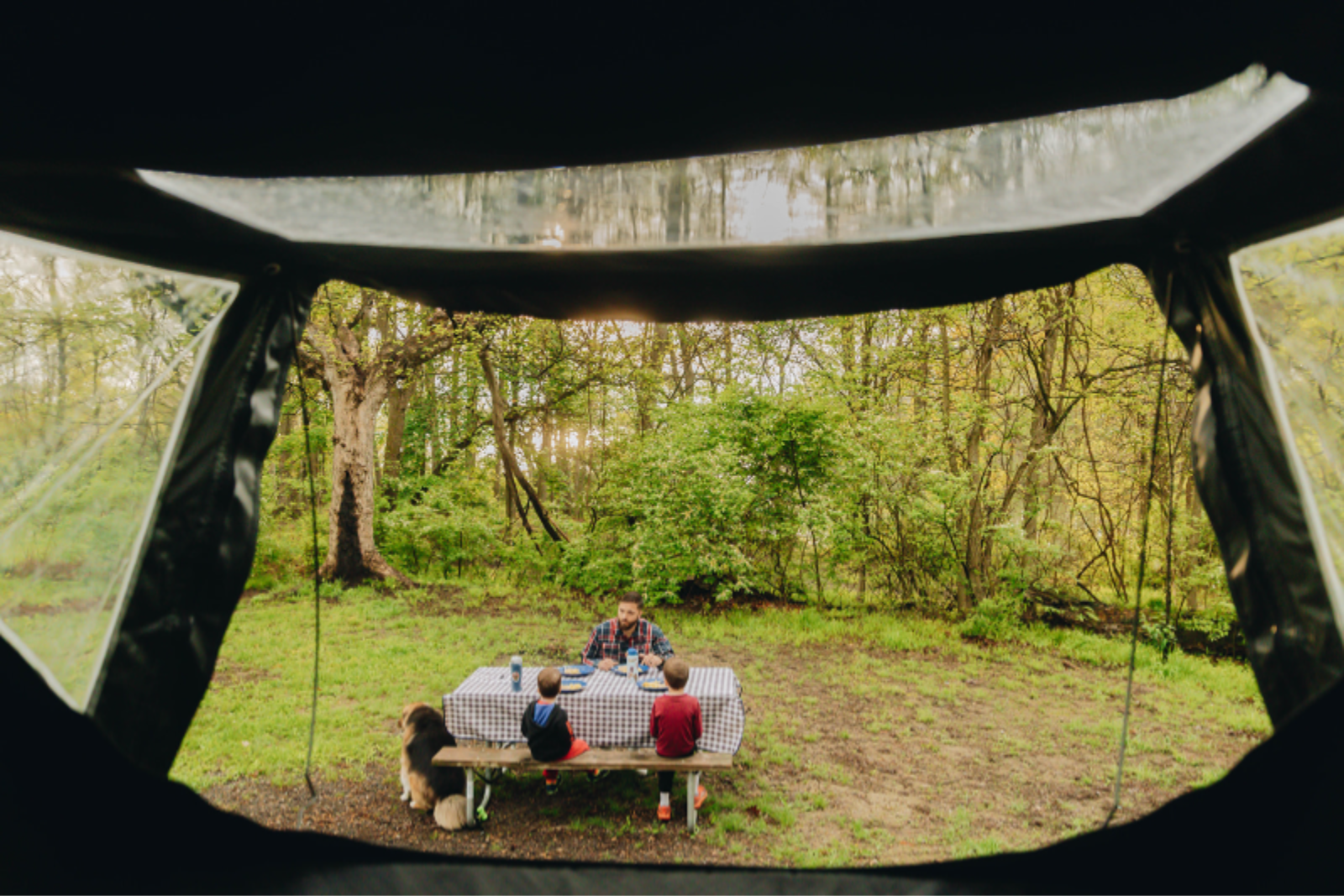
By late Friday afternoon, many families are not thinking about airports, long hotel check-ins, or carefully planned vacations. They are thinking about whether the cooler fits behind the second row, whether the kids packed their sweatshirts, and how far they can drive before everyone gets hungry. The destination may be a campground an hour and a half away, a lake outside the city, or a quiet forest road they have visited before. The trip is small, but that is exactly the point.
Family travel is changing because the weekend itself has changed. Parents are often trying to recover from a packed workweek while still giving their children something more meaningful than another two days of errands and screen time. A full vacation may sound ideal, but it often requires more planning, more money, and more energy than a regular family can spare. Short outdoor travel offers a different answer. It gives families a way to leave the routine without turning the weekend into another complicated project.
The appeal of a trip that does not need to be perfect
One reason short outdoor trips have become more attractive is that they lower the pressure around travel. A family does not need to cross a state line or visit a famous national park to feel like they have gone somewhere. Sometimes the most useful destination is simply a place close enough to reach after work but far enough away to change the atmosphere.
For families with young children, this matters. A weekend outdoors can be adjusted as it goes. If the weather changes, the family can shorten the trip. If a child gets tired, the car is nearby. If everyone enjoys the place, it can become part of a repeatable seasonal routine. There is less pressure to “make the most” of every hour because the trip is not built around a major investment.
This kind of travel also fits the way families actually move. They may leave later than planned. Someone may forget a jacket. Dinner may become sandwiches at a picnic table instead of a cooked meal. None of that ruins the weekend. In fact, the loose structure is often what makes the trip feel different from the rest of family life.
Children remember the small parts
Parents usually remember the logistics of a trip first. They think about traffic, food, sleep, weather, and whether everyone has enough clean clothes. Children often remember something else entirely. They remember using a flashlight after dark, hearing wind in the trees, helping carry firewood, or waking up and realizing breakfast was happening outside.
That difference is part of why outdoor weekends can become so valuable. Children are given time that is not tightly managed. They can wander within safe limits, invent games, notice insects, ask strange questions, or simply be bored long enough to become curious. These are small experiences, but they are hard to recreate inside a packed family schedule.
Outdoor trips also let children take on simple responsibilities. A child who might complain about chores at home may be proud to help unroll bedding, organize shoes by the car, or pass plates around at dinner. The work feels connected to the experience, so it lands differently. The weekend becomes less about entertaining children and more about letting them participate in family life in a different setting.
Comfort is no longer treated as a weakness
Older ideas of camping often treated discomfort as part of the story. A bad night’s sleep, damp clothes, and a stiff back were almost expected. That attitude has changed, especially for families. Parents who already carry enough stress during the week are not looking for a weekend that leaves everyone exhausted by Sunday afternoon.
Comfort now plays a larger role in whether families repeat outdoor travel. It is not about turning camping into a hotel. It is about removing the problems that make the experience feel harder than it needs to be. A dry sleeping space, a predictable place for gear, shade during the afternoon, and a simple cooking routine can completely change the mood of a short trip.
That is why many families now plan around a repeatable family weekend camping setup instead of packing from scratch every time. The setup may include storage bins that stay partly ready, bedding that fits the vehicle, lighting that is easy to find, and a sleeping arrangement that does not require a long setup in the dark. These details are not dramatic, but they decide whether a family sees camping as a one-time experiment or a realistic weekend habit.
A comfortable setup also affects the next morning. When children sleep well, breakfast feels calmer. When parents are not searching through loose bags for socks or utensils, they are more patient. When the sleeping area stays off the wet ground, a rainy night becomes part of the memory instead of the reason no one wants to go again.
The family vehicle has become part of the campsite
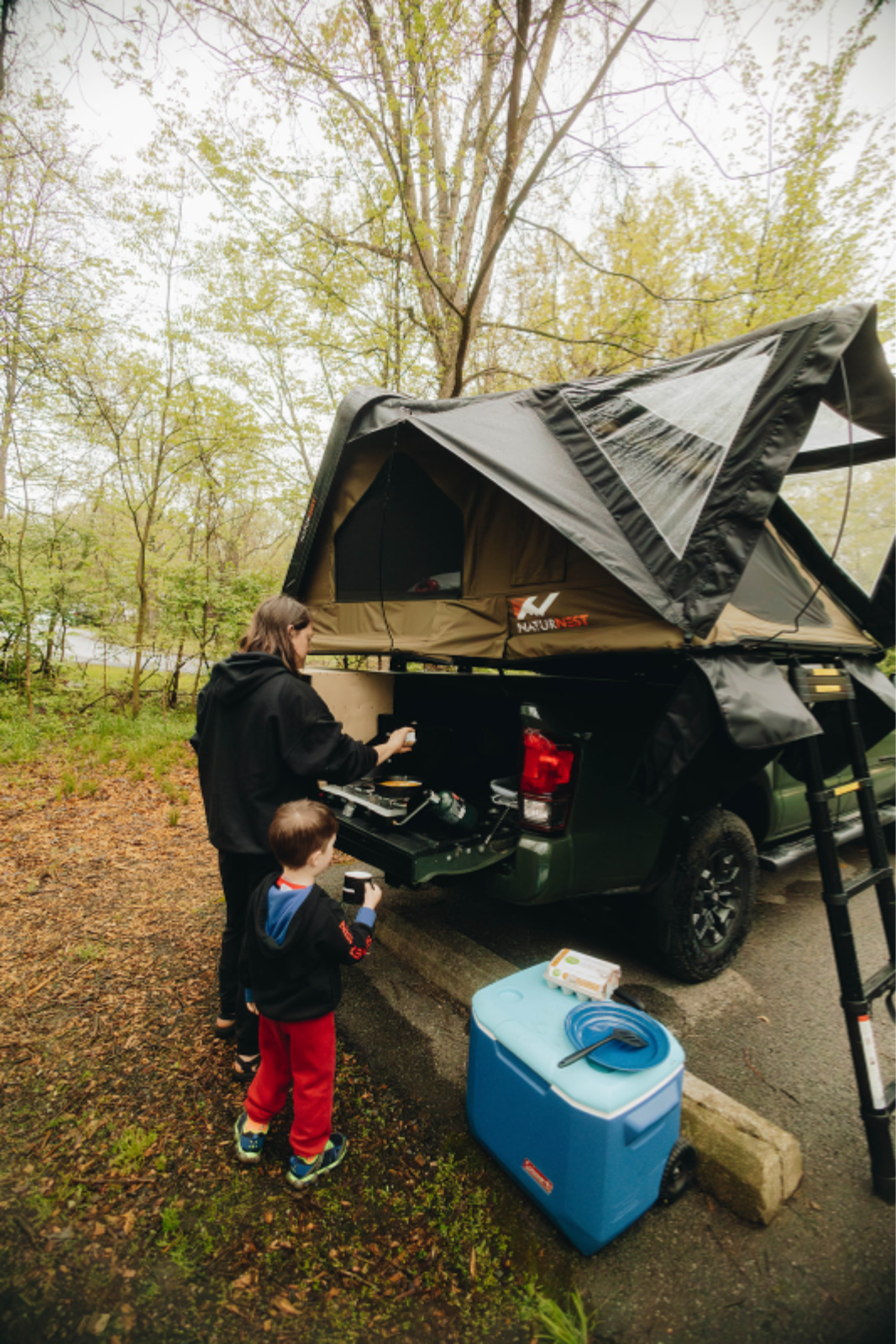
Another major change is the role of the vehicle. For many families, the car is no longer just the thing that gets them to the campsite. It is the base around which the weekend is organized. SUVs, crossovers, and trucks allow families to keep gear contained, arrive later, and set up without needing a large or perfectly flat site.
This vehicle-based style suits modern family travel because it leaves room for flexibility. The family can stop for groceries on the way. They can keep snacks, jackets, and children’s items within reach. They can decide at the last minute whether to stay one night or two. The car becomes a bridge between home and the outdoors, carrying enough familiarity to make the unfamiliar feel manageable.
This is also why rooftop tents have become part of more family travel conversations. They are not necessary for every family or every trip, but they answer a real problem for households that want faster overnight setups and a more dependable sleeping space. For families comparing vehicle-based options, Naturnest outdoor gear is one example of how this category has moved toward easier, repeatable weekend use rather than toward extreme adventure alone.
The point is not that every family needs more equipment. The point is that the outdoor weekend has become more practical when the setup supports how families already live. If the sleeping arrangement is easier, the gear is easier to manage, and the trip feels less fragile, families are more likely to go again.
Short weekends can become the trips families actually remember
The most important change in family outdoor travel is not distance. It is a rhythm. Families are learning that a short trip can still feel meaningful if it gives everyone a real break from the usual pattern. A Saturday morning near a lake, a slow breakfast outside, or a quiet drive home before Sunday evening can reset the weekend in a way that another busy day at home often cannot.
Over time, these trips become easier because families learn what works for them. They know which campground feels manageable, which route avoids the worst traffic, which meals are simple, and which items should stay packed between trips. The weekend stops feeling like a major production and starts feeling like something the family knows how to do.
That may be the real reason short outdoor travel is becoming the new family weekend. Families are not always chasing bigger vacations. Many are choosing smaller escapes that are easier to repeat, easier to afford, and easier for children to remember. A weekend outdoors does not have to be perfect. It only has to give family life a little more room than it usually gets.
