

Baron Nadder Haghighi-Brookheim is the chief executive officer of Michael Technologies Group International, an importing and exporting business he founded in 1979, and the executive founder of FireIce Solutions, which manufactures a firefighting gel designed to improve the durability of water. His professional experience spans international trade, operations, mergers and acquisitions, factory oversight, assembly plant setup, and automotive consulting and leasing. He holds a PhD in international business and banking from the International Institute of Business Management in Geneva, Switzerland, and has received recognition in Who’s Who In International Trade. Outside his business roles, he enjoys collecting cars, polo, martial arts, and fundraising for pediatric cancer organizations. This background connects his interest in automobiles with the practical considerations collectors use when evaluating condition, provenance, authenticity, and long-term value.
The Importance of Condition and Provenance in Car Collecting
In car collecting, value doesn’t come from make, model, or even rarity alone. Two identical vehicles can sell for dramatically different prices depending on two key factors: condition and provenance. These elements shape how collectors evaluate authenticity, desirability, and long-term investment potential.
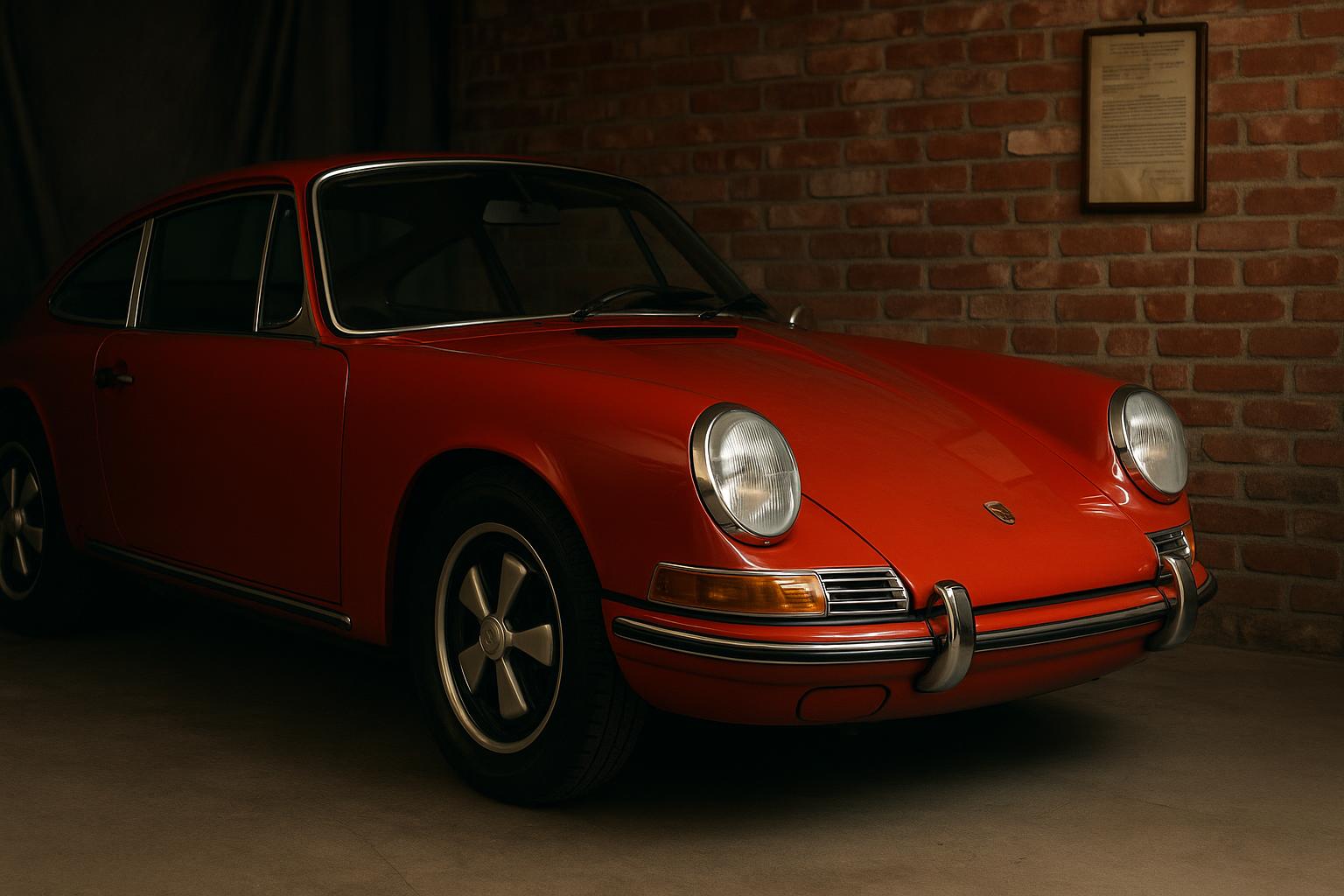
Condition refers to the overall state of a vehicle, including its mechanical health, exterior finish, interior preservation, and structural integrity. In collector markets, condition is often graded using standardized systems that categorize vehicles from concours-level examples to cars requiring full restoration. These classifications are widely used because small differences in condition can lead to large differences in value. Well-preserved cars typically command significant premiums because they require less immediate work and retain more of their original materials and craftsmanship.
Maintenance history plays a major role in preserving the condition over time. Regular servicing, proper storage, and careful use can slow deterioration and protect both mechanical systems and cosmetic surfaces. Vehicles that have been consistently maintained are more likely to retain originality and avoid costly restoration. Once major components are replaced or modified, some of the historical integrity of the vehicle can be permanently altered, which may reduce its appeal to collectors.
Closely related to the condition is originality. Collectors often place a premium on vehicles that remain as close as possible to factory specification. Matching numbers, original paint, and correct period components contribute to authenticity. While restoration can return a car to a visually appealing state, originality is often considered more valuable because it preserves the car’s historical accuracy and manufacturing context.
Provenance refers to the documented history of a vehicle. This includes ownership records, maintenance documentation, service logs, and any notable events associated with the car. Strong provenance provides transparency and reduces uncertainty for buyers. It confirms that a vehicle is what it is claimed to be and helps establish continuity over time.
In collector markets, documentation is a core part of valuation. Industry research consistently shows that buyers place higher confidence and therefore higher value on vehicles with complete and verifiable histories. Cars with gaps in ownership or unclear records often face discounts, even if their physical condition is strong.
Provenance can also add emotional and historical significance. Vehicles that have been owned by notable individuals, participated in important events, or been carefully documented from new often attract heightened interest. This narrative element can elevate a car beyond its mechanical specifications and turn it into a historically meaningful object.
Condition and provenance work together to shape demand. A well-preserved car with an incomplete history may be less desirable than a fully documented vehicle with slightly more wear. Buyers in this market are not only purchasing transportation or design, but also certainty, authenticity, and story.
Over time, these factors tend to become more important rather than less. As vehicles age, originality becomes harder to preserve, and documentation becomes easier to lose. As a result, cars that maintain both strong condition and clear provenance often stand out in a competitive and increasingly discerning collector market. Ultimately, condition determines how a car presents today, while provenance explains how it arrived there. Together, they form the foundation of trust and value in car collecting.
About Baron Nadder Haghighi-Brookheim
He is the chief executive officer of Michael Technologies Group International, an importing and exporting business he founded in 1979, and the executive founder of FireIce Solutions. His experience includes international trade, operations, mergers and acquisitions, factory oversight, assembly plant setup, and automotive consulting and leasing. He holds a doctoral degree in international business and banking from the International Institute of Business Management in Geneva, Switzerland.
