

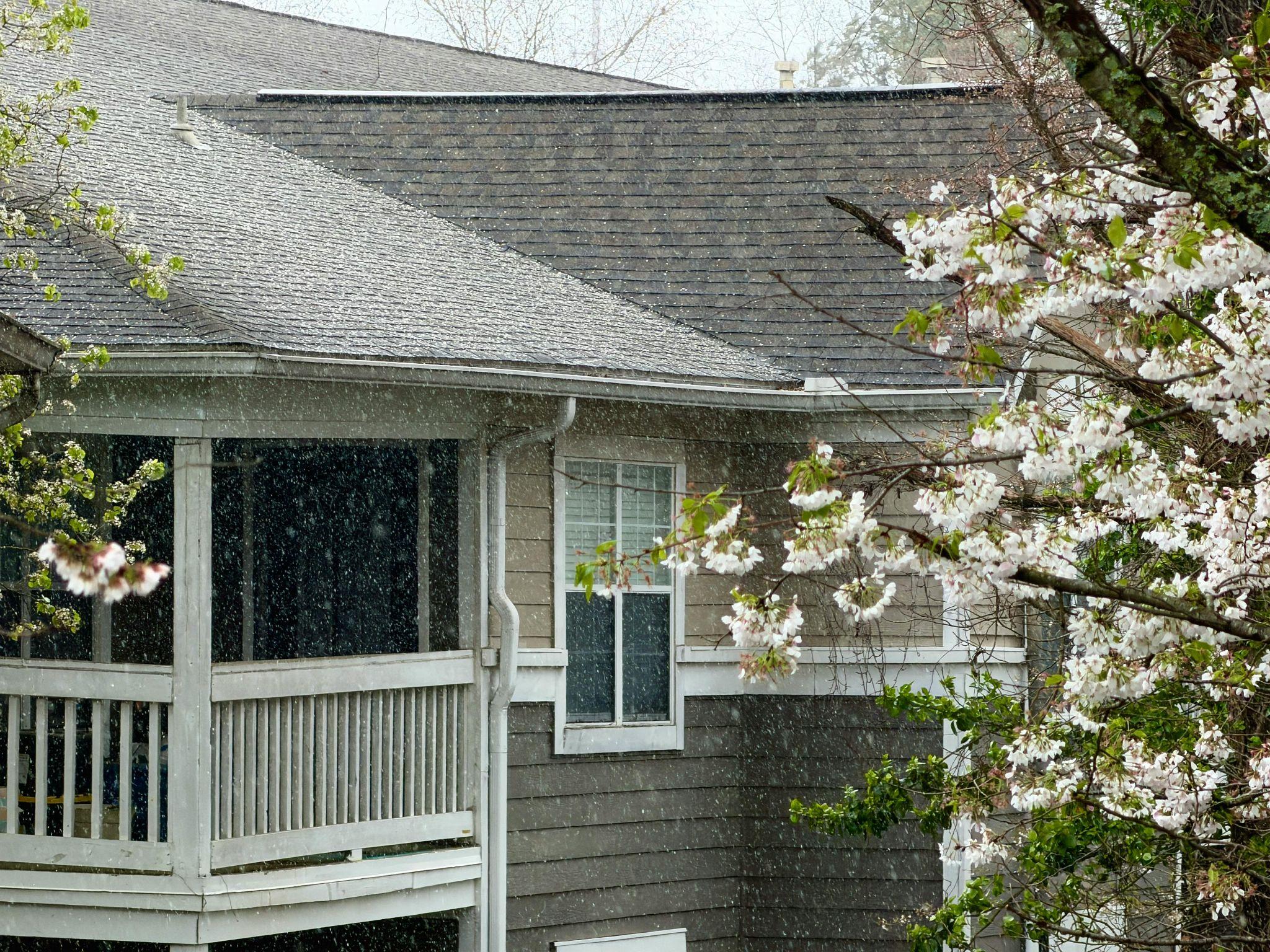
Minneapolis homeowners deal with heavy rain, melting snow, strong winds, and fast weather changes throughout the year. That is why many Minneapolis roofing companies spend a lot of time talking about drainage systems, not just shingles. A highly reviewed Minneapolis roofing company will often tell homeowners that gutters are one of the most important parts of the entire roof system. When gutters stop working properly, water starts moving into places it should never reach. Over time, that can lead to roof leaks, foundation cracks, siding damage, and expensive repairs that could have been avoided with early maintenance.
A Small System That Protects Your Entire Home
Gutters may not stand out from the street, but they play a major role during heavy rainstorms. Their job is simple: move water away from the roof and foundation before moisture creates damage. When drainage slows down or overflows, water starts collecting near the roof edges, siding, and exterior walls.
Many inspections reveal hidden moisture problems caused by long-term gutter issues. A properly working gutter system helps protect roofing materials, fascia boards, landscaping, and basement areas throughout the year.
Why Minneapolis Rainstorms Put Extra Stress on Gutters
Minneapolis weather can change quickly, especially during the spring and summer storm season. One heavy rainstorm can push thousands of gallons of water across a roof in a short amount of time. Gutters have to handle all that water while also dealing with leaves, dirt, branches, and wind-blown debris. Older systems often struggle because they were not designed for today’s stronger storms. Minneapolis roofing companies regularly inspect homes where gutters pull away from the house after repeated weather stress. In neighborhoods with large trees, clogged gutters become even more common because leaves and seeds build up fast during windy storms.
How Gutters Protect Your Roof During Heavy Rain
A roof is designed to shed water quickly, but gutters help complete that process by directing runoff safely away from the house. Without proper drainage, water can collect near the roof edge and slowly damage shingles, fascia boards, and roof decking. Overflowing gutters may also force water underneath shingles during strong storms. Minneapolis roofing companies often find roof leaks that started because of long-term gutter problems rather than direct shingle failure. Overflowing gutters repeatedly soak the roof edges during storms.
The Hidden Connection Between Gutters and Foundation Damage
Many homeowners think gutters only protect the roof, but they also play a huge role in protecting the foundation. When gutters overflow, water collects around the base of the home instead of draining safely away. Over time, repeated water exposure weakens the soil and increases the chance of cracks forming in the foundation. Basement leaks and moisture problems often begin this way. Minneapolis roofing companies sometimes inspect homes where a simple clogged gutter caused years of slow structural damage. Even small pooling areas near one side of the house can slowly turn into major repair problems.
Why Clogged Gutters Become a Bigger Problem Than Most Homeowners Expect
Clogged gutters are more serious than many people realize. Leaves, twigs, roof granules, and dirt stop water from flowing properly through the system. Once water gets trapped, gutters become heavier and start pulling away from the home. Overflowing water can damage siding, stain exterior walls, and wash away landscaping near the foundation. Standing water may also attract insects and create mold growth. Minneapolis roofing companies often remind homeowners that clogged gutters can quietly create roof leaks long before water becomes visible inside the house. Regular cleaning helps prevent much larger repairs later.
Signs Your Gutters May Already Be Struggling
There are usually warning signs before a gutter system completely fails. Homeowners may notice gutters sagging, loose fasteners, or water spilling over the sides during storms. Peeling paint, siding stains, and soil erosion near the foundation can also point to drainage problems. Inside the home, water spots near ceilings or musty smells around the basement may signal moisture issues connected to poor gutter flow. Minneapolis roofing companies encourage homeowners to pay attention to these smaller warning signs because they often appear months before major roof or foundation damage develops.
How Poor Gutter Drainage Can Affect Energy Efficiency
Drainage problems can also affect indoor comfort. When moisture enters attic spaces or wall cavities, insulation becomes damp and loses effectiveness. That forces heating and cooling systems to work harder throughout the year.
Some homeowners first notice gutter-related moisture problems through rising utility bills or rooms that feel harder to heat and cool evenly. Proper drainage helps reduce moisture buildup inside vulnerable attic and wall areas.
Why Older Minneapolis Homes Often Need Gutter Upgrades
Many older homes in Minneapolis still use aging gutter systems that have already gone through decades of snow, ice, and storm damage. Older gutter designs may also be too small for modern rainfall levels. Loose fasteners, rusted sections, and separated joints become more common as systems age. Minneapolis roofing companies often recommend seamless gutters for older homes because they reduce leaks and improve water flow. Historic neighborhoods especially benefit from updated drainage systems since many homes were built long before current weather patterns and storm intensity became common across the area.
The Role of Downspouts During Minneapolis Storms
Downspouts are just as important as gutters because they move water away from the home after it leaves the roof. If downspouts are clogged, damaged, or too short, water may still collect near the foundation even if the gutters appear fine. Minneapolis roofing companies often inspect downspout placement during storm damage evaluations because poor drainage can lead to erosion and basement moisture problems. Extensions, splash blocks, and underground drainage systems help direct water farther away from the house. A gutter system only works properly when every part of the drainage path functions together.
Seasonal Gutter Maintenance Tips for Minneapolis Homeowners
Seasonal maintenance helps gutter systems last longer and perform better during heavy storms. Spring is a good time to remove debris left behind after winter snow and ice. Summer inspections help identify loose fasteners or storm damage before bigger rainstorms arrive. Fall cleaning is especially important because leaves quickly clog gutters before freezing weather begins. During winter, homeowners should also watch for ice buildup and ice dams forming along the roof edges. Minneapolis roofing companies often recommend yearly professional inspections because many drainage problems are difficult to spot safely from the ground.
How Professional Inspections Help Prevent Bigger Roofing Problems
Professional inspections help catch small drainage issues before they grow into expensive repairs. During an inspection, roofing professionals check gutter pitch, water flow, roof edges, flashing, and attachment points. They also look for signs of hidden moisture damage around the attic and roof decking. Minneapolis roofing companies often find problems homeowners cannot easily see from below, especially after hailstorms or strong summer rain. Small repairs, such as resealing joints or correcting drainage angles, may prevent major roof leaks later. Preventative inspections usually cost far less than repairing structural water damage after it spreads.
Common Gutter Myths That Cost Homeowners Money
Many homeowners believe that if water is still moving through the gutters, everything must be working properly. In reality, small leaks and partial clogs can still create serious damage over time. Another common myth is that gutters only protect landscaping. Minneapolis roofing companies regularly repair roofing and siding damage caused by ignored gutter problems. Some people also think cleaning gutters once a year is enough, even in tree-heavy neighborhoods. Water damage often develops slowly and quietly, which makes these myths dangerous because homeowners may not realize there is a problem until repairs become expensive.
Choosing the Right Gutter System for Minneapolis Weather
Not all gutter systems perform the same during Minneapolis storms. Aluminum gutters are lightweight and resist rust, while steel systems offer more strength against heavy snow and ice. Seamless gutters are popular because they reduce leak points and require less maintenance over time. Larger gutter sizes also help manage stronger rainfall during severe storms. Minneapolis roofing companies often recommend gutter guards for homes surrounded by trees because they reduce clogging problems. Choosing the right system depends on roof size, local weather conditions, and how much maintenance homeowners want to handle each year.
Why Gutter Problems Rarely Stay Small
Most gutter damage starts quietly. A small clog, loose section, or overflowing downspout may not seem serious during one storm, but repeated water exposure slowly damages roofing materials, siding, insulation, and even the foundation over time.
Minneapolis rainstorms put a huge amount of pressure on drainage systems every year. Once gutters stop moving water away properly, moisture starts spreading into places homeowners usually cannot see from the ground. That is why Minneapolis roofing companies pay close attention to gutters during inspections, especially after heavy storms or long winters.
Routine cleaning, seasonal inspections, and early repairs are usually far less expensive than dealing with roof leaks, basement moisture, or structural water damage later.
