

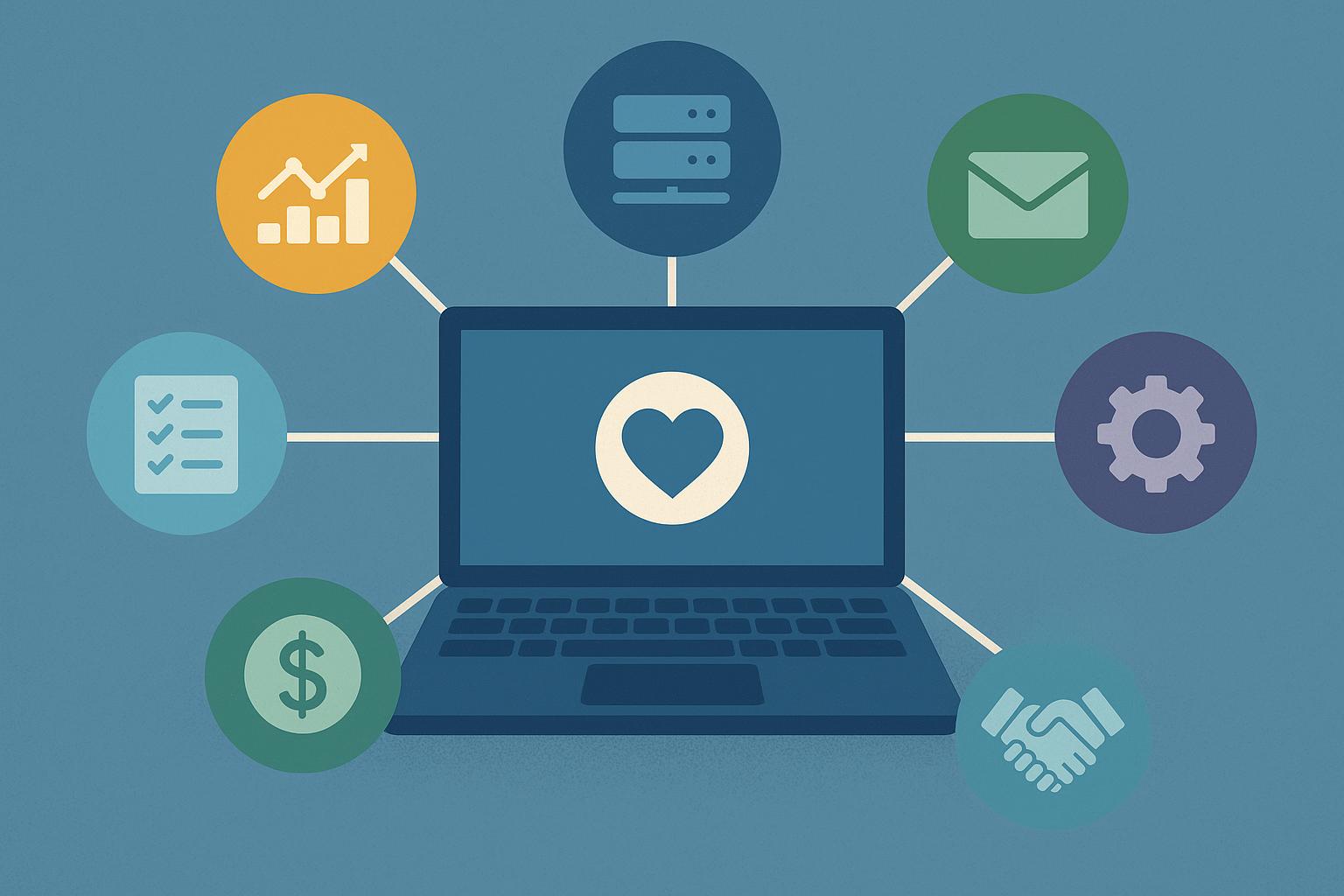
Nonprofit organizations rely on efficient operations to manage fundraising, donor communication, volunteer coordination, and community programs. Choosing the right software solution can significantly improve productivity, reduce administrative workload, and support long-term organizational growth. However, with many software options available, selecting the best platform can be challenging.
Understanding the key factors to consider can help nonprofits invest in software solutions for nonprofit organizationsv that aligns with their goals, budget, and operational needs.
Understand Your Organization’s Needs
Before choosing any software solutions for nonprofit organizations, nonprofits should clearly identify their specific requirements. Different organizations have different priorities, such as donor management, event registration, volunteer scheduling, accounting, or marketing automation.
Start by evaluating current challenges and determining which processes need improvement. Creating a list of must-have features helps narrow down software options and prevents unnecessary spending on tools that may not be useful.
Look for User-Friendly Software
Ease of use is one of the most important factors when selecting nonprofit software. Staff members and volunteers may have varying levels of technical expertise, so the platform should be simple to navigate and easy to learn.
User-friendly software reduces training time, minimizes errors, and improves overall productivity. A clean dashboard and intuitive interface also help teams manage daily tasks more efficiently.
Evaluate Customization Options
Every nonprofit operates differently, which makes customization essential. The best software solutions allow organizations to tailor features, workflows, forms, and reports according to their needs.
Customizable tools help nonprofits adapt the software to their programs instead of changing their processes to fit the software limitations.
Consider Integration Capabilities
Nonprofits often use multiple digital tools for fundraising, accounting, email marketing, and communication. Choosing software that integrates with existing platforms can improve efficiency and reduce duplicate work.
For example, integration with customer relationship management (CRM) systems, payment gateways, accounting software, and email marketing tools can streamline operations and improve data accuracy.
Prioritize Data Security
Nonprofit organizations handle sensitive information such as donor details, payment information, and volunteer records. Strong security measures are essential when selecting software solutions.
Look for platforms that offer encrypted data storage, secure payment processing, regular updates, and user access controls. Reliable security features help protect the organization from data breaches and maintain donor trust.
Compare Pricing and Scalability
Budget is often a major concern for nonprofit organizations. While affordable software is important, nonprofits should also focus on long-term value rather than simply choosing the cheapest option.
Compare subscription plans, hidden fees, and support costs before making a decision. Additionally, choose scalable software that can grow alongside the organization as programs, donors, and volunteers increase over time.
Review Customer Support and Training
Reliable customer support is essential for resolving technical issues quickly. Before selecting software, evaluate the quality of customer service, training resources, and onboarding assistance.
Good software providers offer tutorials, live chat support, webinars, and knowledge bases to help organizations maximize the platform’s potential.
Final Thoughts
Choosing the best software solutions for nonprofit organizations requires careful planning and research. By understanding organizational needs, prioritizing usability, ensuring security, and evaluating integration capabilities, nonprofits can select tools that improve efficiency and support their mission.
The right software solution can simplify operations, strengthen donor relationships, enhance volunteer management, and help nonprofits focus more effectively on creating a positive community impact.
