

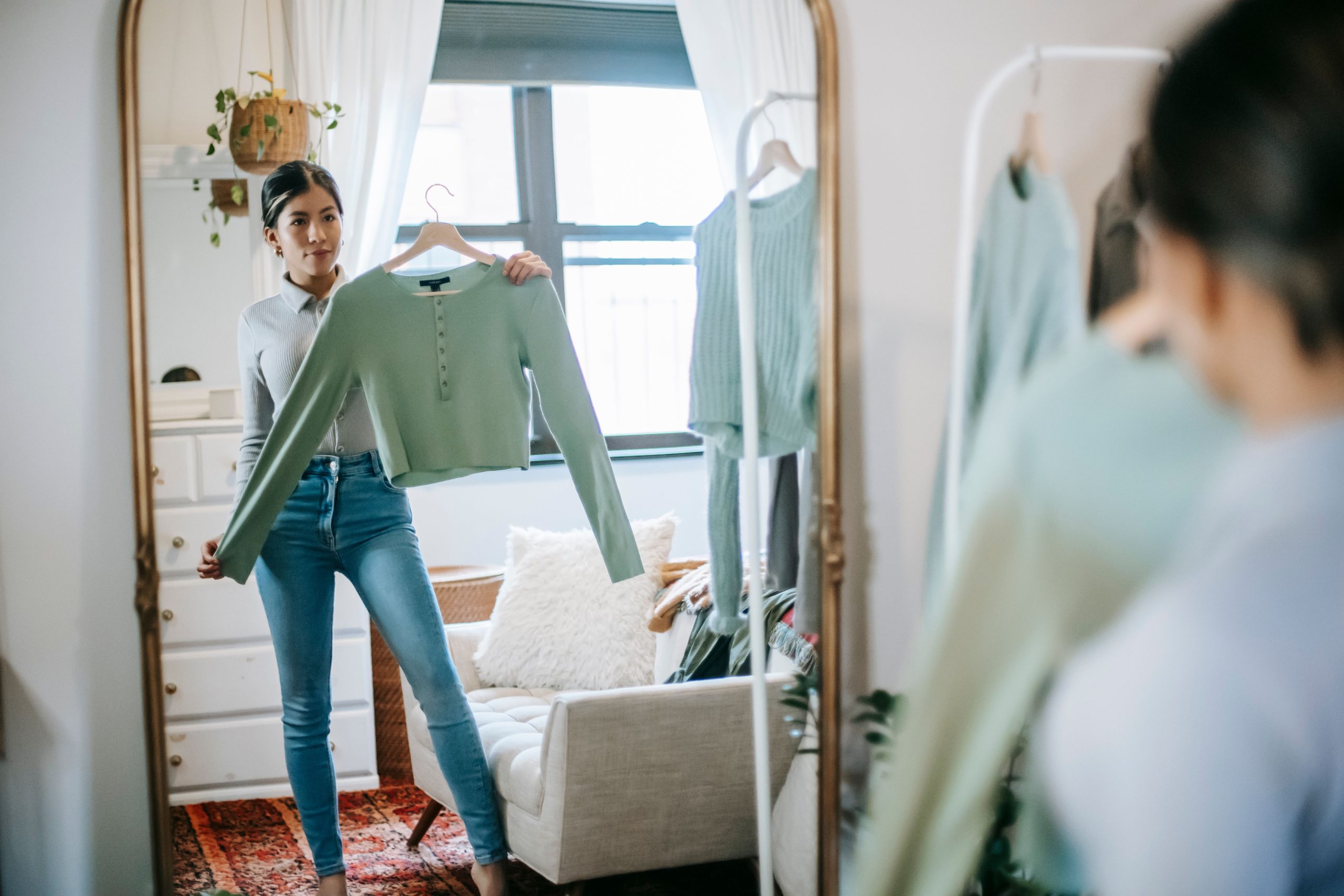
Many people own plenty of clothing but still feel as though they have nothing comfortable to wear. The problem is not always a lack of options; it may be that the clothes were purchased for a different body, lifestyle, or imagined future. A useful wardrobe should support the person who is getting dressed today. When fit, fabric, proportion, and comfort are treated as practical considerations instead of personal failures, choosing clothes becomes much less frustrating.
Begin With Better-Fitting Foundations
Undergarments affect the way clothing sits, moves, and feels throughout the day. Someone looking for the best bras for small boobs may discover that the right choice is not necessarily the bra with the most padding or structure. Smaller busts can still have different shapes, band measurements, spacing, and support preferences. A well-fitting bra should remain comfortable during normal movement. Straps should not constantly slip or dig into the shoulders, and the band should feel secure without becoming painful.
The same principle applies to underwear, slips, shapewear, and camisoles. These pieces should work with the outer clothing rather than require constant adjustment. A smooth foundation can improve comfort, but no one needs to wear restrictive garments simply because a fashion rule says they should. The best foundation is the one that helps the wearer forget about it during the day.
Use Tailoring to Solve Common Fit Problems
Ready-to-wear clothing is produced according to standardized measurements, but bodies are not standardized. A pair of pants may fit the hips and gap at the waist, or a jacket may fit the shoulders while feeling too loose through the body. These issues do not mean the person has the wrong shape. They mean the garment was not designed around that exact combination of proportions.
Simple alterations can make clothing look more intentional. Hemming pants, shortening sleeves, adjusting straps, or taking in a waist may cost less than repeatedly buying replacements that never feel right. Tailoring is especially worthwhile for items used frequently, such as work trousers, jackets, dresses, or formal clothing. A modestly priced piece that fits well often looks better than an expensive garment with poor proportions.
Pay Attention to Fabric and Movement
A garment can technically fit while still being uncomfortable. Fabric weight, stretch, texture, breathability, and construction affect how it feels after several hours. A stiff waistband may become irritating when sitting, while a thin fabric may require more layers than the wearer wants. Shoppers should consider how the item will function during the activities that make up their actual day.
Movement is one of the best fit tests. Sitting, reaching, bending, and walking can reveal problems that are not obvious while standing still in front of a mirror. Sleeves may pull, waistbands may roll, and skirts may shift in ways that require constant attention. Clothing should allow normal movement without making the wearer feel as though every position must be carefully managed. Care requirements matter as well. A beautiful item that requires dry cleaning after every wear may not be practical for a busy routine.
Build Around Reliable Everyday Basics
A comfortable wardrobe does not need to be extremely large. A smaller group of reliable pieces can create more outfits when colors, shapes, and layers work together. Useful basics might include trousers or jeans that fit well, simple tops, a light layer, comfortable shoes, and one or two pieces that make an outfit feel more finished. The exact list should reflect the person’s schedule rather than a generic capsule wardrobe formula.
Someone who works from home may need polished but comfortable tops more than formal suits. A person who spends much of the day walking may benefit from investing in supportive shoes and practical outerwear. Parents of young children may prioritize washable fabrics and pockets. Clothing becomes more useful when it supports real responsibilities.
Stop Dressing for the Number on the Label
Clothing sizes vary widely across brands, cuts, and product categories. Treating the label as a judgment can keep people stuck in garments that do not feel good. A larger size in one brand may fit more comfortably than a smaller size in another, even when the body has not changed. The number is information about the garment, not a measure of personal value.
Buying for a future body can also create daily frustration. Clothes that are too tight may remain in the closet as a reminder of a goal rather than serving a practical purpose. Keeping a few meaningful or motivating pieces is different from maintaining an entire wardrobe that cannot be worn. Most available space should belong to clothing that fits now.
