

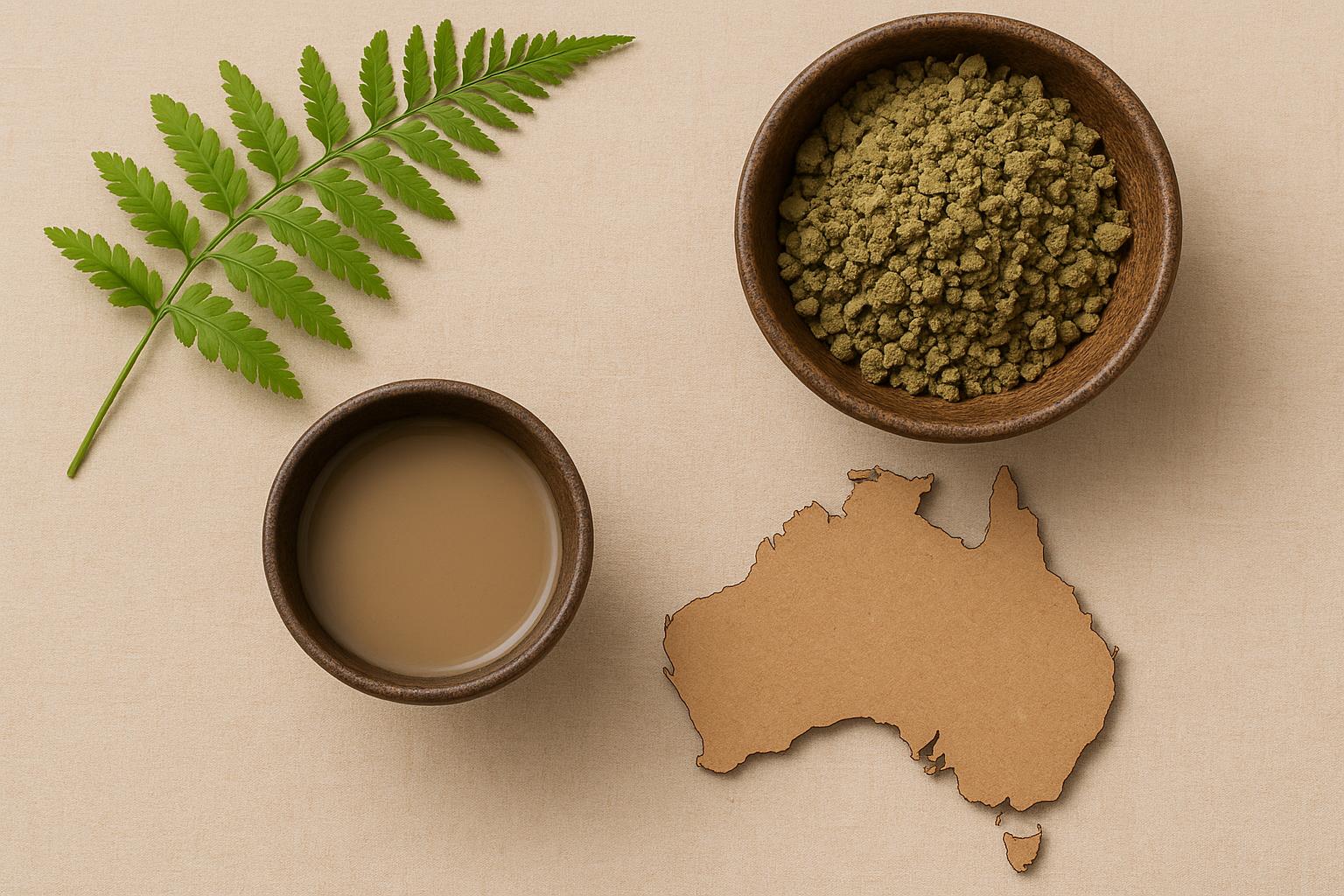
Recent mental health surveys reveal that nearly half of all Australian adults experience high levels of psychological distress on a regular basis. In a fast-paced modern world characterised by endless connectivity and professional pressures, many people are looking beyond conventional pharmaceuticals. They are turning instead toward plant-based alternative therapies to find calm, improve their emotional resilience, and restore their sleep quality. Among these natural interventions, one botanical solution has seen a significant resurgence in popularity and scientific interest across the country. Kava, a traditional root derived from the Pacific Islands, is increasingly being integrated into daily wellness regimens as a reliable and natural way to mitigate tension and promote deep relaxation.
The Resurgence of Traditional Botanical Therapies
For centuries, Pacific Island communities have utilised the Piper methysticum plant in both ceremonial and everyday social settings. It serves as a cornerstone of community bonding and holistic wellness. However, its transition into modern Australian healthcare has required a careful balance of deep cultural respect and rigorous regulatory oversight. The shifting legal landscape has recently made it much easier for adults to access this plant safely for personal therapeutic use. In fact, official government health resources outline that since December 2021, the law allows the commercial importation of the plant, noting that products with kava can be used for stress, anxiety and insomnia. This regulatory milestone has opened the door for many Australians seeking natural pathways to better mental health.
This newfound accessibility has sparked a strong demand for transparency regarding where these botanical products come from and how they are cultivated. Consumers today are highly educated and discerning. They want to know the complete journey of their wellness products from the rural farm all the way to their cup. By looking into the Root & Pestle origin story, individuals can gain a deeper appreciation for the meticulous care, ethical harvesting practices, and rich heritage that define premium quality botanical exports. Understanding the cultural background of the plant ensures that its modern application remains respectful of its traditional roots.
Agricultural Precision and Predictable Outcomes
The therapeutic efficacy of any plant-based remedy relies heavily on agricultural consistency and processing standards. In the past, unpredictable crop quality often hindered the widespread clinical acceptance of natural anxiolytics. Modern producers have solved this problem by adopting advanced agricultural technologies and strict crop isolation techniques. The implementation of single cultivar kava systems ensures that consumers receive a pure, unblended product. This dedication to agricultural purity translates to a much more reliable and predictable therapeutic outcome, significantly reducing the risk of unwanted side effects often associated with blended roots. It also empowers researchers to study the specific active compounds within individual plant strains.
When integrating this botanical root into a mental wellness routine, understanding product quality is absolutely essential. The active components, known as kavalactones, interact with the nervous system to produce calming effects, but their concentration can vary wildly based on farming practices. Healthcare professionals and botanical experts consistently recommend evaluating several key factors before making a selection to ensure the best possible results:
- Use of Noble Root Varieties: Only noble strains have a long documented history of safe consumption. Non-noble or Tudei varieties can cause nausea, heavy lethargy, and a lingering residual hangover effect the next day.
- Chemical-Free Processing: The most effective and historically accurate products use traditional cold-water extraction methods or pure root powder. They entirely avoid harsh industrial solvents that can degrade the active botanical compounds.
- Transparency in Laboratory Testing: High-quality suppliers provide comprehensive, publicly available laboratory testing to confirm accurate kavalactone profiles and to definitively rule out heavy metals or biological contaminants.
- Appropriate Harvesting Age: Roots must be left in the ground to mature for at least three to five years. This extended growth period ensures the stress-relieving active compounds have fully developed before harvesting.
Navigating the Modern Wellness Market
With the Australian market now fully open to commercial distribution, shoppers have an abundance of options to consider when seeking mental health support. However, the widely varying levels of quality across different brands mean that careful due diligence is required. Navigating the current regulatory guidelines, understanding complex ingredient lists, and identifying genuinely ethical suppliers can feel overwhelming for newcomers to the space. Referencing a comprehensive Australian kava purchasing guide is a highly practical step for any consumer wanting to make an informed, compliant, and health-conscious choice. Education is the ultimate safeguard against poor quality products that fail to deliver meaningful therapeutic benefits.
Ultimately, the successful integration of traditional Pacific remedies into Australian healthcare highlights a growing societal preference for holistic, evidence-based stress management. As federal regulatory frameworks continue to evolve and support safe access, adults now have a highly effective, natural tool to help balance the overwhelming demands of modern life. By prioritising agricultural purity, verifying clinical safety, and supporting ethical sourcing, individuals can confidently embrace these ancient botanical therapies to support their long-term mental health and overall daily wellbeing.
