

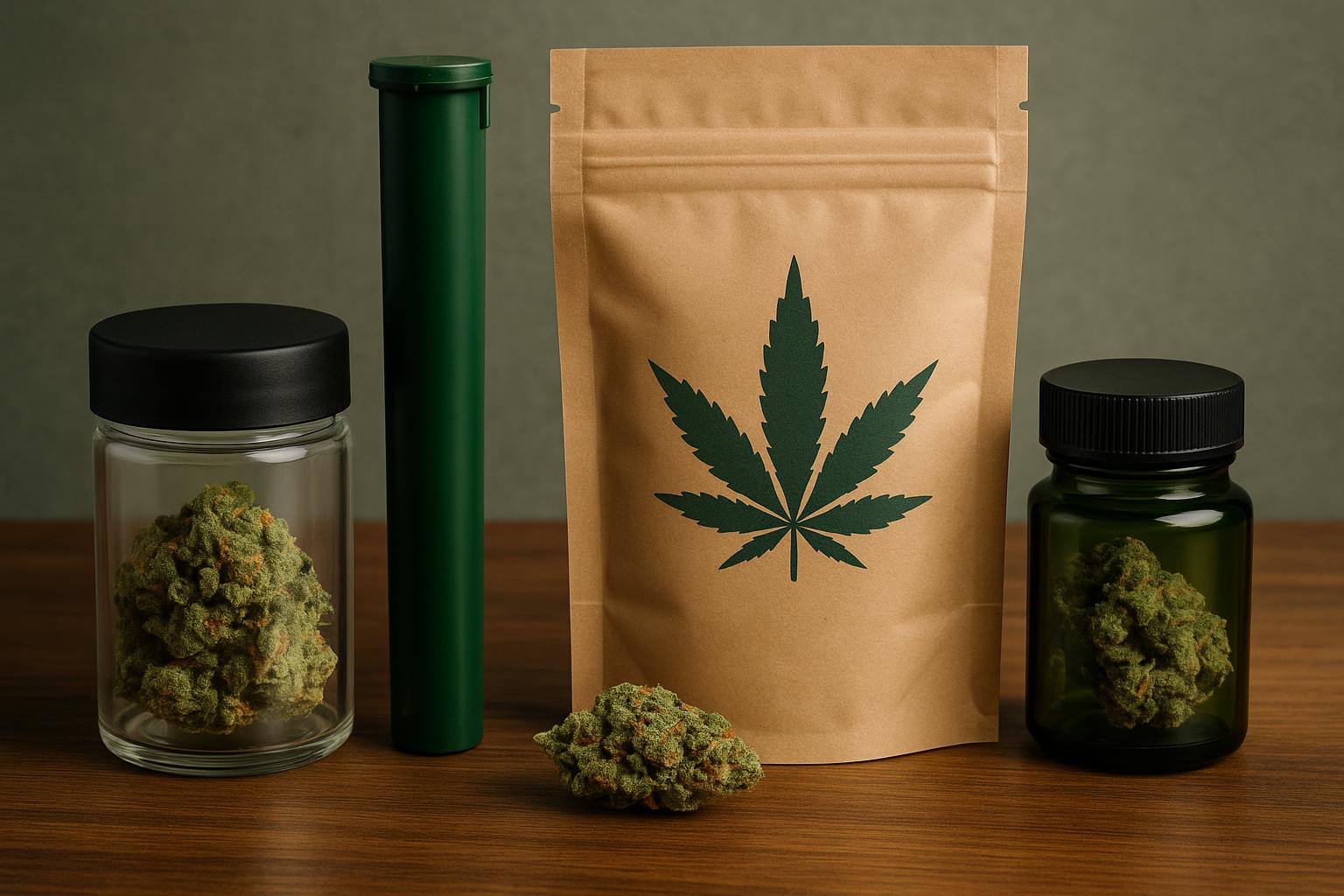
Cannabis packaging has changed dramatically over the past decade. What was once little more than a basic container or plastic bag has evolved into something far more intentional and sophisticated. Today, packaging plays a major role in how consumers judge product quality, safety, transparency, and overall trustworthiness. For wellness oriented CBD users especially, packaging has become more than just visual branding. It now shapes the entire buying experience.
Modern cannabis consumers are more informed and selective than ever before. They are no longer impressed by loud graphics or flashy marketing alone. Instead, many buyers want packaging that communicates professionalism, product safety, ingredient clarity, and reliability. This shift has pushed cannabis brands to rethink how products are presented, stored, and explained to consumers.
As the industry becomes increasingly competitive, packaging has evolved into a reflection of a company’s standards and values. From child resistant safety features to terpene preservation and wellness focused design, cannabis packaging now serves practical and educational purposes that extend far beyond appearance.
Consumers Now Associate Packaging With Product Quality
One of the biggest changes in cannabis packaging is the way consumers interpret visual presentation. In the past, many cannabis products relied heavily on novelty designs or exaggerated graphics meant to attract attention quickly. While that style still exists in some corners of the market, many wellness oriented consumers now prefer products that feel clean, informative, and professional.
Packaging often creates the first impression before consumers ever experience the product itself. If a package appears careless, confusing, or poorly designed, consumers may immediately question the quality inside. On the other hand, thoughtful packaging can create a sense of trust and reliability before the product is even opened.
This is particularly important for CBD consumers who may approach cannabis from a wellness perspective rather than a recreational one. Many buyers want products that fit naturally into health conscious lifestyles. Packaging that feels mature, minimal, and organized tends to resonate more strongly with these audiences.
Professional packaging also signals that a company pays attention to detail. Clear labeling, readable dosage information, and organized ingredient lists suggest that the brand values transparency and consumer education rather than relying purely on marketing hype.
Safety Has Become a Major Packaging Priority
As cannabis products became more mainstream, safety standards around packaging evolved significantly. Child resistant packaging is now one of the most important features in many markets because it helps prevent accidental consumption by children and protects consumers overall.
First time buyers often underestimate how much safety influences trust in the cannabis industry. Packaging that feels secure and professionally sealed reassures consumers that products have been handled responsibly throughout manufacturing and distribution.
Tamper evident seals have also become increasingly important. Consumers want confidence that products have not been opened, contaminated, or altered before purchase. These safety measures help legitimate brands stand apart from lower quality competitors that may not prioritize consumer protection.
For edibles especially, packaging has evolved to better communicate serving information and potency. Early cannabis edibles often lacked clear dosage guidance, leading to confusion and inconsistent experiences for inexperienced consumers. Modern packaging now commonly includes detailed serving recommendations, cannabinoid content per piece, and realistic warnings regarding onset times.
These improvements reflect a broader industry shift toward accountability and consumer education rather than simply focusing on sales.
Packaging Now Plays a Role in Product Preservation
Cannabis packaging is no longer just about appearance or compliance. It also directly affects product quality and freshness. Exposure to heat, light, air, and moisture can degrade cannabinoids and terpenes over time, which means packaging design now plays a functional role in preserving the product itself.
Experienced consumers understand that poor storage can significantly reduce aroma, flavor, potency, and overall effectiveness. As a result, many brands now invest in airtight containers, UV resistant materials, and packaging solutions designed to maintain freshness for longer periods.
This evolution has been especially important for premium flower and terpene rich products. Terpenes are highly sensitive compounds that contribute heavily to aroma and overall character. Packaging that protects terpene integrity helps maintain a more consistent consumer experience.
Wellness oriented CBD users also benefit from better preservation standards because many use products regularly as part of ongoing routines. Consistent product quality matters far more when consumers are integrating cannabis into daily wellness habits rather than occasional recreational use.
Reliable retailers like Online Dispensary understand that consumers increasingly expect cannabis products to arrive fresh, discreetly packaged, and properly protected during shipping. Packaging quality now influences customer satisfaction almost as much as the product itself.
Educational Packaging Has Become Increasingly Important
Another major shift in cannabis packaging is the growing emphasis on education. Today’s consumers want more than attractive branding. They want packaging that helps them understand what they are purchasing and how to use it responsibly.
Modern cannabis labels often include cannabinoid breakdowns, terpene information, dosage recommendations, ingredient lists, extraction methods, and QR codes linked to third party lab reports. This level of detail helps reduce uncertainty for both new and experienced consumers.
For wellness focused users, educational packaging can significantly improve purchasing confidence. Consumers who understand serving sizes, potency levels, and expected effects are more likely to have positive experiences with products.
This is especially important because many first time cannabis buyers still feel intimidated by industry terminology. Packaging that explains concepts clearly without overwhelming consumers tends to build stronger trust over time.
Educational transparency also reflects a broader maturation of the cannabis industry. Brands are increasingly recognizing that informed consumers become more loyal customers because they feel empowered rather than confused.
Sustainability Is Becoming Part of Consumer Expectations
As the cannabis industry expands, sustainability concerns surrounding packaging waste have become more noticeable. Many cannabis products require protective packaging due to regulations, but consumers are increasingly questioning the environmental impact of excessive plastic and disposable materials.
Wellness oriented audiences often care strongly about sustainability because their purchasing habits frequently overlap with broader health and environmental values. Brands that prioritize recyclable, biodegradable, or reusable packaging can create stronger emotional connections with these consumers.
This does not mean sustainability is simple within cannabis packaging regulations. Child resistant requirements and freshness preservation standards can make eco friendly packaging more difficult to implement. However, many companies are actively searching for better solutions that balance compliance, product protection, and environmental responsibility.
Consumers are beginning to notice these efforts. Packaging choices now contribute to how people perceive a brand’s ethics, priorities, and long term commitment to responsible business practices.
Packaging Has Become Part of the Consumer Experience
Cannabis packaging today influences far more than shelf appeal. It affects how consumers feel about safety, freshness, professionalism, transparency, and overall product value. In many ways, packaging has become an extension of the product experience itself.
For first time buyers, thoughtful packaging can reduce anxiety and make the purchasing process feel more approachable. For experienced consumers, it provides important information that helps them evaluate product quality more effectively.
The cannabis industry is still evolving rapidly, but one thing has become clear. Packaging is no longer just about standing out visually. It is now deeply connected to trust, education, product preservation, and consumer confidence.
As wellness oriented cannabis consumers continue demanding higher standards, packaging will likely become even more sophisticated and intentional in the years ahead. Brands that understand this shift are better positioned to build lasting loyalty in an increasingly educated market.
FAQ
Why has cannabis packaging become more important in recent years?
Consumers now expect packaging to provide safety, transparency, freshness protection, and educational information rather than just visual branding.
What makes cannabis packaging trustworthy?
Clear labeling, child resistant features, tamper evident seals, dosage guidance, and accessible lab testing information all help build trust.
How does packaging affect cannabis freshness?
Proper packaging protects cannabinoids and terpenes from air, heat, light, and moisture, helping preserve potency and flavor.
Why do wellness consumers prefer minimal and professional packaging?
Many wellness oriented buyers want products that feel clean, organized, and informative rather than overly flashy or gimmicky.
Is sustainable cannabis packaging becoming more important?
Yes. Many consumers now value recyclable or eco conscious packaging solutions as part of broader wellness and environmental concerns.
