

Matthew Teltser, MD, is a cardiologist with more than three decades of experience in preventive cardiovascular care, including lipidology, hypertension, and nuclear cardiology. Over the course of his career, he treated patients in Florida through roles with Associates MD, the University Heart Institute, and several Memorial Hospital institutions. Dr. Teltser completed a cardiology fellowship at the University of Florida College of Medicine, Jacksonville, and also served as an instructor at The Medical College of Pennsylvania, where he helped train internal medicine house staff. His background in managing cholesterol disorders and metabolic risk factors provides valuable perspective on topics such as triglycerides and cardiovascular disease. In addition to his medical career, Dr. Teltser has interests in bonsai cultivation, specialty coffee roasting, jazz, classical music, and fine wines.
Triglycerides Explained – Why They Matter for the Heart
Most people who have had a cholesterol test are familiar with LDL and HDL, but triglycerides often get less attention. That is a mistake. Triglycerides are a common form of fat in the bloodstream, and when levels are elevated, they can quietly contribute to cardiovascular risk, especially in the setting of metabolic syndrome.
Triglycerides serve a useful purpose. After eating, the body converts excess calories into triglycerides and stores them in fat cells for later use. Between meals, hormones release these fats for energy. Problems arise when this system is overloaded. Consistently high triglyceride levels can reflect an imbalance between calorie intake and energy use, and they often travel with other metabolic abnormalities.
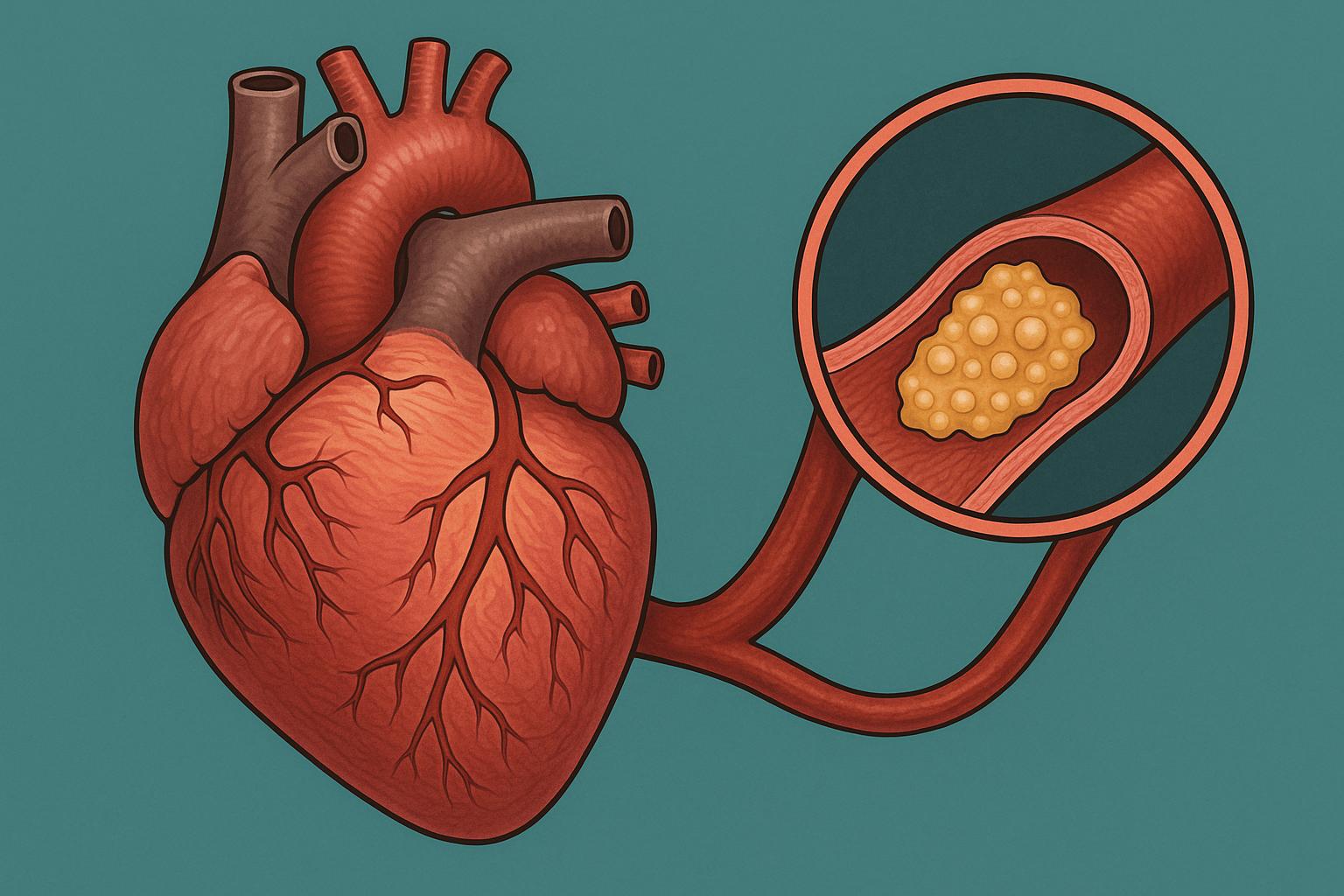
A normal fasting triglyceride level is generally considered below 150 milligrams per deciliter. Levels above this threshold are increasingly common, driven in part by rising rates of obesity, insulin resistance, and type 2 diabetes. Unlike LDL cholesterol, which has a direct and well-established role in plaque formation, triglycerides are more closely tied to a broader metabolic picture. Elevated levels often signal the presence of atherogenic particles such as very low-density lipoproteins and remnant lipoproteins, which can contribute to plaque buildup in arteries.
The connection between triglycerides and heart disease is supported by a growing body of evidence. Large population studies show that higher triglyceride levels are associated with increased risk of heart attack and stroke, even after accounting for other risk factors. The relationship is particularly strong in people with metabolic syndrome, a cluster of conditions that includes abdominal obesity, high blood pressure, elevated blood sugar, and abnormal cholesterol levels. In this context, triglycerides are not an isolated finding but part of a pattern that accelerates vascular damage.
Lifestyle plays a central role in triglyceride levels. Diets high in refined carbohydrates and added sugars can drive levels upward, as can excess alcohol intake. Physical inactivity and weight gain also contribute. On the other hand, weight loss, regular exercise, and dietary changes can significantly lower triglycerides, sometimes more effectively than medication. Reducing sugar and refined starches, increasing intake of healthy fats, and moderating alcohol are often key steps.
When lifestyle changes are not enough, medication may be considered. Statins, commonly used to lower LDL cholesterol, also reduce triglycerides to a modest degree and are often the first choice when cardiovascular risk is elevated. In certain patients, particularly those with very high triglyceride levels, additional therapies such as omega-3 fatty acids or fibrates may be used. Extremely high levels, typically above 500 milligrams per deciliter, raise the risk of pancreatitis, a serious and potentially dangerous condition, and require more urgent management.
One reason triglycerides are sometimes overlooked is that they can fluctuate from day to day, depending on recent meals and other factors. This variability can make them seem less reliable than other lipid measures. Even so, persistently elevated levels should not be ignored, especially when they occur alongside other risk factors.
Elevated triglycerides often point to underlying metabolic stress that affects the entire cardiovascular system. Addressing them means looking beyond cholesterol alone and taking a broader view of heart health.
For many people, this is an opportunity. Triglycerides respond well to lifestyle changes, and improvements can be seen relatively quickly. Paying attention to this often-overlooked marker can provide an early warning sign and a practical path toward reducing long-term cardiovascular risk.
About Matthew Teltser
Matthew Teltser, MD, practiced cardiology for more than three decades with a focus on lipidology, hypertension, preventive cardiovascular care, and nuclear cardiology. An American College of Cardiology fellow, he served patients through the University Heart Institute and multiple Memorial Hospital institutions. Dr. Teltser also instructed internal medicine trainees at The Medical College of Pennsylvania and completed a cardiology fellowship at the University of Florida College of Medicine, Jacksonville. Outside medicine, he enjoys bonsai cultivation, specialty coffee roasting, jazz, classical music, and fine wines.
