

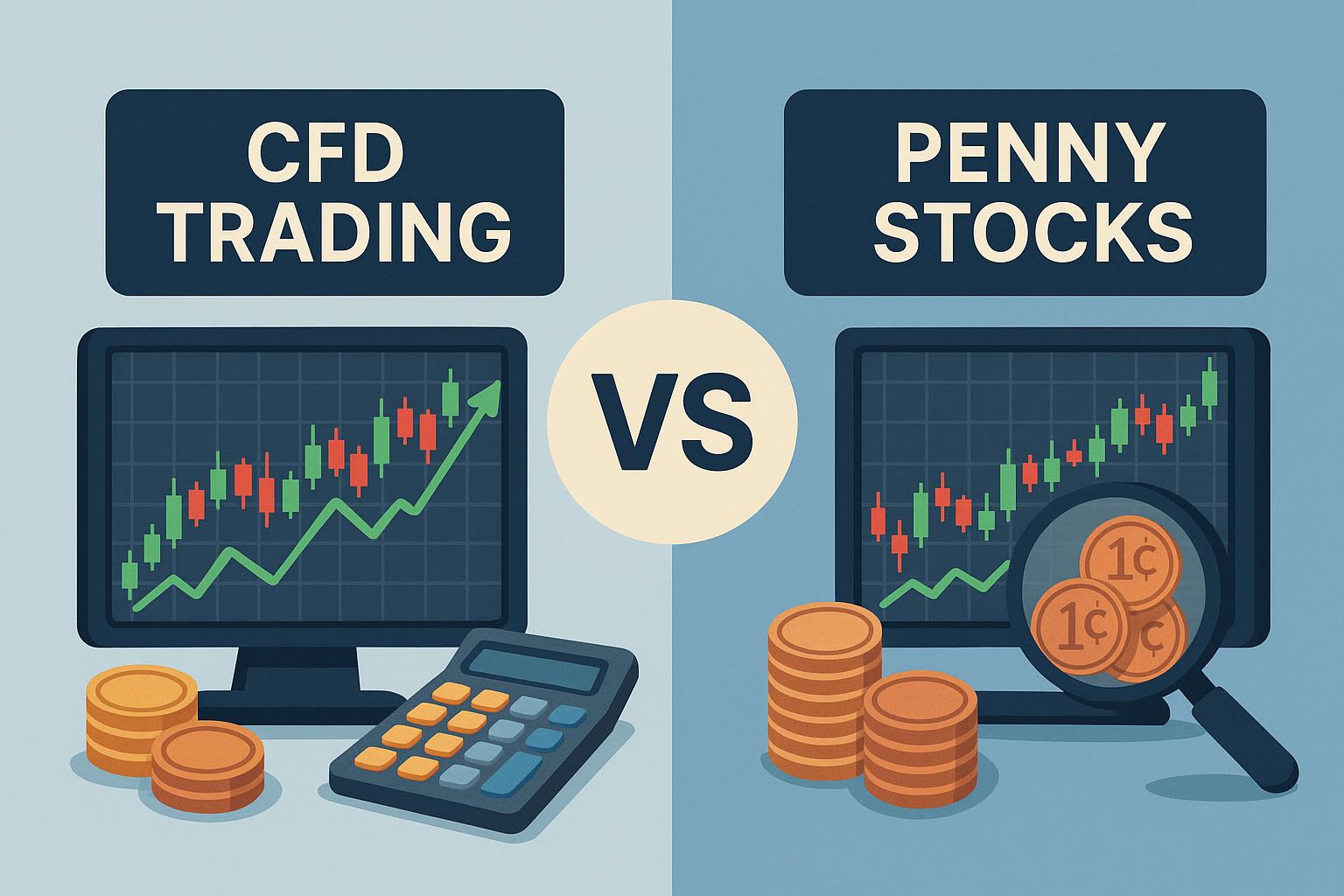
Choosing between CFD trading and penny stocks is one of the big decisions traders have to make. Both markets attract beginners looking for a way in without huge capital, but they work very differently. This article breaks down the differences to make it easier for beginners to decide before investing real money.
CFD trading vs Penny Stocks: What Beginners Should Know First
Before jumping into anything, let’s first understand what you’re trading. In the CFD trading vs penny stocks comparison, CFD trading lets you speculate on price movement without owning anything, while penny stocks mean buying actual shares in a small company.
That difference alone changes your risk, capital needs, and how fast you can get in and out of a position.
How CFD Platforms Make Starting Easier
A lot of new traders find cfd trading vs penny stocks easier to get into simply because CFD platforms are built with beginners in mind. Demo accounts, smaller position sizes, and instant execution all lower the barrier.
You don’t need to open a separate brokerage account for shares, either, which saves time when you’re just trying things out.
What Penny Stocks Require Before You Start
Penny stocks work completely differently. You need an actual stock trading account and enough capital to buy real shares outright. There’s no leverage safety net here.
You pay the full share price, wait for the company to grow, and hope the stock doesn’t get delisted or lose most of its value overnight, which happens more often than people may expect. This is exactly where the answer to is CFD different from penny stocks becomes clear: one uses leverage and speculation, the other requires full ownership and real capital.
Comparing Costs for New Traders
Cost is where the CFD trading vs penny stocks decision gets real. CFDs often have lower entry costs since you’re trading on margin, but spreads and overnight fees add up over time.
Penny stocks require more upfront capital since you own the full share, plus brokerage commissions on every buy and sell. Neither is free, but the fee structure hits you differently depending on how often you trade.
Which Risks Beginners Should Watch For
Every beginner needs to understand what they’re risking before opening any account. Take a look at these three risks that show up constantly in the CFD trading vs penny stocks conversation:
- Market volatility – Both markets can change fast, sometimes within minutes, which may catch new traders who haven’t built the habit of managing risk properly yet off guard.
- Leverage exposure – CFDs come with leverage baked in, and that means one bad move without a stop-loss can cost you more than what you put in.
- Liquidity concerns – Some penny stocks have very few buyers and sellers. You may struggle to enter or exit a trade at the price you want.
Conclusion
When it comes to CFD trading vs penny stocks, there is no straight answer. Various factors may determine what’s best for your trading. Beginners who want flexibility and lower starting costs often lean toward CFDs, while those interested in long-term ownership might prefer penny stocks despite the extra capital required. Weighing CFD trading vs penny stocks before you start saves you from a lot of confusion later.
