

Why is a feature prioritization strategy important when developing electric scooter apps?
Feature prioritization at the scooters app development stage helps create an app that meets the real users’ needs without overloading the product with unnecessary features. Based on scooter apps’ specifics, there must be a deep focus on core features for fast searching, scooter unlocking, convenient payment, navigation, and trip tracking.
Having a priority list also allows the team to focus on the features that will have the biggest impact on user experience and operational efficiency. This approach helps launch an MVP faster, test demand in the real market, reduce operating costs, and make further product decisions based on actual user behavior.
What key user features should be included in an electric scooter app MVP?
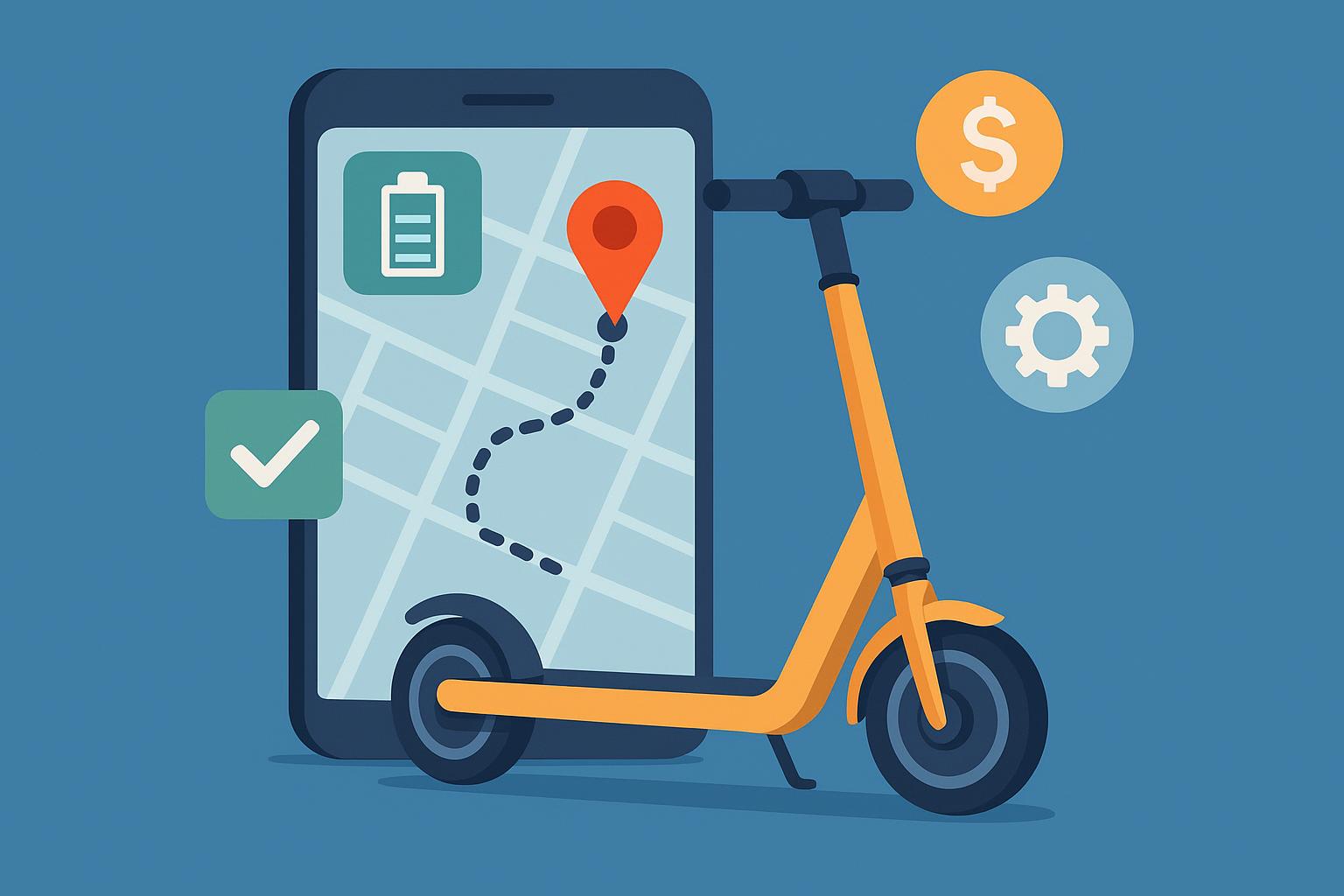
The MVP should cover the entire basic trip scenario: find a scooter, unlock it, take a ride, end the ride, and pay. Therefore, when developing electric scooter apps, as an early MVP version, focus on the following key features:
- Registration and user profile – creating an account and managing personal data.
- Real-time map – displaying available scooters and zones where parking is permitted.
- QR scanning and unlocking – quickly starting a ride by scanning a code.
- Scooter information – battery level, availability, and estimated ride cost.
- Navigation – route planning and display of permitted riding zones.
- In-app payment – secure payment processing and automatic transaction completion.
- Ride history – information about previous rides and expenses.
- Support and issue reporting – the ability to report a scooter malfunction or contact customer support.
How can real-time scooter tracking improve an electric scooter app?
Real-time scooter tracking makes the app more convenient both for users and fleet operators. From the users’ side, they can see the current scooter locations and availability on the map, find the nearest scooter faster, and plan trips better. For operators, it translates into effective fleet management. GPS data makes it possible to monitor the fleet’s movements, detect scooters outside authorized zones, optimize their placement, and respond more quickly to potential problems.
What payment and billing features are essential for a successful electric scooter app launch?
The payment system must not just be convenient, but also reliable and secure for a successful launch. Here are the key payment features for e-scooter apps:
- Integration with payment systems. Support for bank cards and popular digital wallets.
- Automatic fare calculation based on the fare rate for unlocking, trip duration, or distance.
- Pre-authorization of payment. Verification of the payment method before the trip begins.
- Automatic payment processing after the trip ends, so users don’t have to make payments manually.
- Transparent billing. Displays the fare, final cost, and details of each trip.
- Transaction history and receipts give access to previous payments and electronic receipts.
- Support for refunds and payment disputes. The ability to process refunds and resolve disputed transactions.
How do geofencing and location-based management contribute to efficient fleet management?
Geofencing and location-based management help automate fleet monitoring, manage scooter behavior in different zones, and respond faster to operational issues.
Geofencing can define zones where rides are permitted, restricted, or prohibited, and can automatically enforce rules. For example, reducing speed in certain areas or block ride endpoints outside of permitted parking areas. Location-based management helps operators track the fleet’s location, identify uneven distribution of scooters, and plan their relocation based on demand.
What administrative features help reduce operating costs for electric scooter apps?
Most operating costs can be reduced by automating fleet monitoring, maintenance, and user management. Thus, the key administrative features are:
- Fleet management dashboard. Centralized monitoring of the location, status, and battery level of scooters.
- Automatic alerts. Notifications about low battery levels, malfunctions, or deviations from permitted zones.
- Maintenance management. Scheduling maintenance and tracking repairs.
- Real-time fleet monitoring. Rapid problem detection and reduced scooter downtime.
- Geofencing controls. Automatic management of parking zones, speed limits, and restricted areas.
- Analytics and reporting. Analysis of fleet usage, demand, downtime, and operational metrics to support informed decision-making.
- Automated customer support. Handling of common inquiries, payments, and returns without significant staff involvement.
How can user data analysis help increase profits for electric scooter apps?
Data analysis helps fleet operators make better decisions about pricing, fleet deployment, and user acquisition. For example, analyzing popular routes, trip durations, and high-demand areas allows for better scooter distribution and reduces downtime. Data on user behavior helps determine effective pricing, personalize offers, and launch loyalty programs for active customers. At the same time, analyzing retention and churn enables operators to respond promptly to user attrition.
Conclusion
A successful e-scooter app launch begins with understanding both user needs and business priorities. This create a reliable base for features defining and their prioritization for convenient use and effective work of fleet operators. By focusing on what’s essential more for business goals, you can create a product that delivers a seamless user experience and supports a sustainable business model.
