

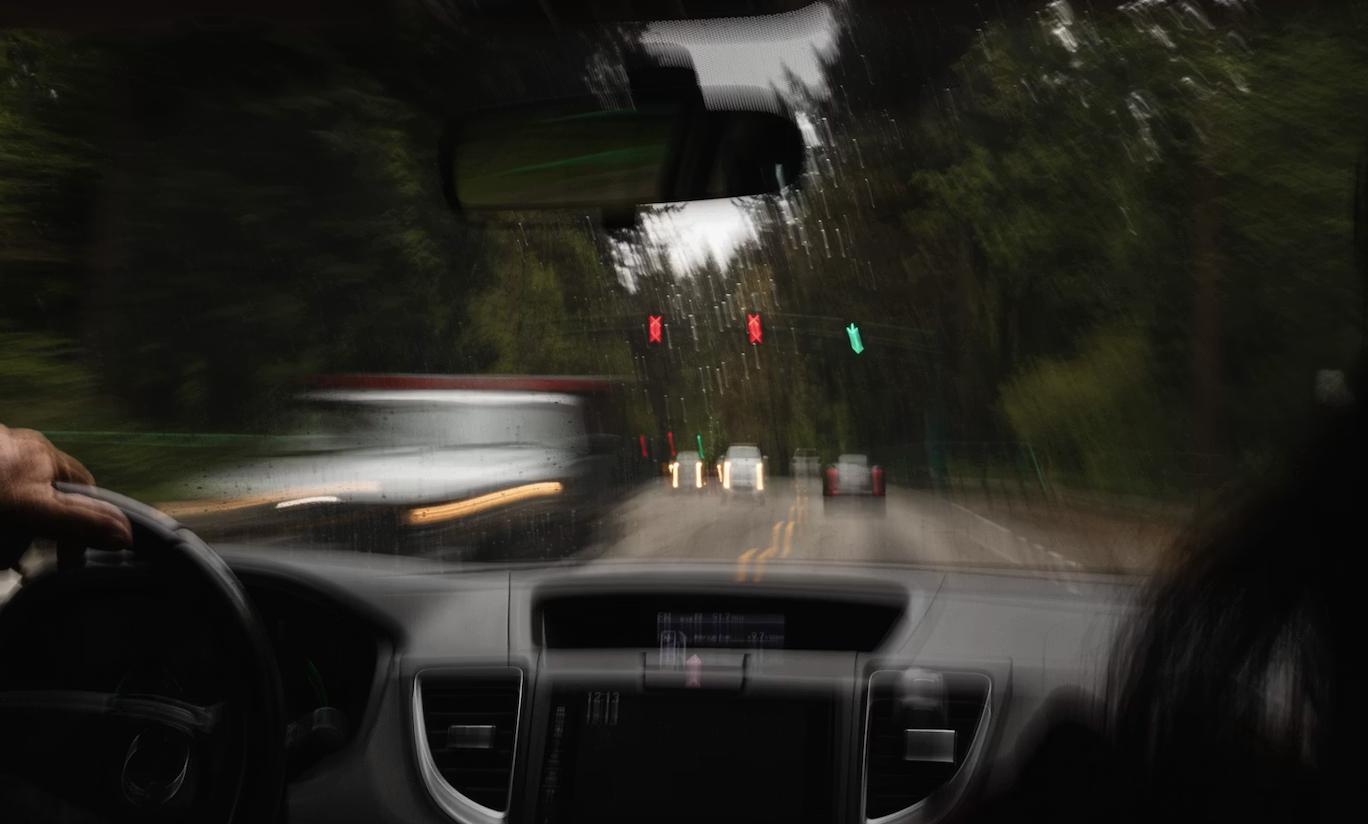
Most car accident coverage focuses on what happens after two drivers exchange information. Almost nobody talks about the version of a crash where the other driver simply disappears. Hit-and-run collisions are far more common than most people assume, and they leave injured victims facing a legal situation that looks nothing like a standard claim.
This is a common scenario in Houston, where the city’s extensive road network and quieter suburban areas can make it more difficult to identify a fleeing driver. This type of case reflects the complex personal injury claims that Houston law firms like Sutliff & Stout regularly handle, including hit-and-run accidents where the responsible party is never identified.
Hit and Run Crashes Are Far More Common Than Most People Realize
Over four million hit-and-run crashes occurred in the United States between 2018 and 2022, with roughly twelve thousand of those involving a fatality. Nearly sixty five percent of the people killed in these crashes were pedestrians or bicyclists, not drivers. Texas consistently ranks among the top ten states for hit-and-run incidents, with thousands reported every single year.
These numbers rarely make headlines individually, since a hit-and-run rarely becomes a major news story unless it involves a fatality or a public figure. The sheer volume, however, means this is not a rare edge case. It is a routine part of the crash landscape that most injured drivers never think about until it happens to them directly.
Why the Fleeing Driver Changes Everything Legally
A standard car accident claim depends on identifying the at fault party and pursuing their insurance coverage. When that driver vanishes, this entire foundation disappears with them. Injured victims are left relying on their own uninsured motorist coverage, a type of insurance many people carry without fully understanding what it actually protects against.
Uninsured motorist coverage exists specifically for situations like this, stepping in when the at fault driver cannot be identified or carries no insurance at all. Many drivers do not realize how critical this coverage becomes until they are the one left without an identifiable at fault party to pursue.
How Investigators Try to Identify a Fleeing Driver
Even without an immediate identification, evidence collected quickly after a hit-and-run can sometimes lead to the responsible driver later. Traffic camera footage, nearby business surveillance, paint transfer analysis on the victim’s vehicle, and witness accounts of a partial license plate all become significant leads. Vehicle debris left at the scene, including broken headlight fragments or side mirror pieces, can sometimes be traced back to a specific make and model.
From the evidence review perspective, attorneys handling these cases move quickly to request nearby surveillance footage before it gets overwritten, since many businesses only retain recordings for a short window before automatically deleting them.
Why Acting Quickly Matters More in These Cases
A standard crash allows some flexibility in when evidence gets gathered, since the other driver’s information is already known. A hit-and-run case does not offer that same flexibility. Every day that passes reduces the odds that a witness remembers a key detail, that surveillance footage still exists, or that the fleeing vehicle can still be traced through any physical evidence left behind.
This urgency is part of why hit-and-run victims benefit from involving an attorney immediately rather than waiting to see whether police identify a suspect on their own.
What Compensation Actually Looks Like Without an At Fault Driver
Compensation in a hit-and-run case typically comes through the victim’s own uninsured motorist coverage rather than filing a claim against the other driver directly. This can feel counterintuitive, since it means an injured victim is essentially relying on their own insurance policy to cover an injury they did not cause. Understanding this in advance, before a crash happens, helps drivers evaluate whether their current coverage limits are actually adequate.
Some drivers carry only the state minimum uninsured motorist coverage without realizing how quickly serious injury costs can exceed that limit. Reviewing this specific coverage annually, the same way many people review health insurance, is a simple habit that matters far more than most drivers assume until they need it.
The Bigger Picture
Hit and run accidents strip away the part of a car accident claim most people assume will always be there, a known, identifiable at fault driver. Understanding how these cases actually work, and how uninsured motorist coverage fills that gap, prepares drivers for a situation that statistics suggest is far more common than most people ever expect to face.
Why Some Hit and Run Drivers Eventually Get Identified Anyway
Not every hit-and-run case remains permanently unsolved. Some fleeing drivers get identified weeks or even months later, sometimes through an unrelated traffic stop, a tip from someone who recognized damage on a vehicle, or a body shop reporting suspicious repair work matching a reported crash. When this happens, a case that began as a pure uninsured motorist claim can shift back toward a traditional claim against the identified driver’s own insurance policy.
This possibility is exactly why preserving evidence thoroughly at the time of the crash matters, even when it initially looks like the driver will never be found. Detailed scene photos, any partial license plate information, and paint transfer samples all remain useful if an arrest happens later, sometimes long after the initial claim process has already begun moving forward through uninsured motorist coverage.
How This Affects Passengers and Family Members Too
A hit-and-run crash does not only affect the driver of the struck vehicle. Passengers and family members who witnessed the crash or arrived shortly after often carry their own emotional weight from the experience, compounded by the frustrating uncertainty of never knowing who was actually responsible. This uncertainty can make the grieving or recovery process feel incomplete in a way that a standard crash with a known at fault party typically does not.
Support groups and victim advocacy organizations specifically focused on hit-and-run cases exist in many communities, offering resources tailored to this particular kind of unresolved loss that general accident support services do not always address directly.
Why Public Awareness of These Statistics Matters
Most people vastly underestimate how often hit-and-run crashes actually happen, largely because individual incidents rarely make headlines outside of the immediate community where they occurred. Greater public awareness of just how common these crashes are could meaningfully shift how drivers think about their own uninsured motorist coverage limits, treating this protection as a genuine necessity rather than an afterthought buried in a policy renewal document.
