

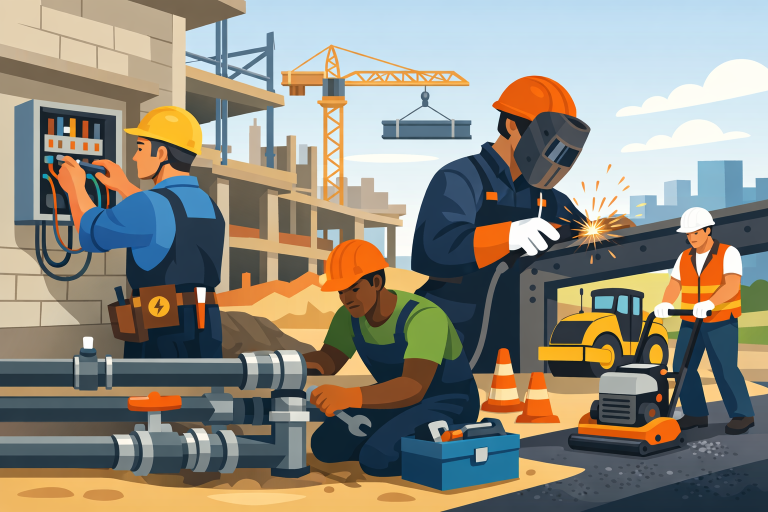
The Critical Role of Skilled Trades in Infrastructure
Behind every road, building, and utility system are skilled tradespeople whose hands-on expertise makes modern life possible. Electricians, plumbers, welders, HVAC specialists, and carpenters are among the professionals who construct and maintain the systems supporting our daily routines. The steady presence of these trades ensures that our infrastructure is not only built to last but also remains safe and efficient. Without a strong, skilled workforce, our modern cities and communities would struggle to function, let alone grow.
Yet, the importance of these careers is often overshadowed. The spotlight on advanced technologies and white-collar jobs can divert attention from the urgent need for hands-on workers. Public awareness of the skilled trade shortage has increased, highlighting both the opportunities and challenges currently facing the profession.
Current Challenges in the Skilled Trades Workforce
The skilled trades sector is now at a turning point. An aging workforce is beginning to exit the industry, and not enough new entrants are stepping in to fill the gap. According to the U.S. Chamber of Commerce, a persistent lack of skilled labor is a top concern for construction and infrastructure leaders. This shortage leads to increased workloads, project delays, and mounting costs as companies compete for a shrinking talent pool.
For many young people weighing career choices, the path to the skilled trades is not always clear or encouraged. Cultural preferences for four-year degrees often push potential tradespeople toward other professions. The lack of awareness and exposure to vocational programs during formative education years further exacerbates the labor shortfall.
Impact on Infrastructure Development
The ripple effect of the skilled labor shortage is felt at every level of infrastructure development. Delays become commonplace as companies struggle to assemble complete teams for building and maintaining essential assets. Project budgets are forced to expand to accommodate rising labor costs and supply chain disruptions resulting from limited personnel.
Complex infrastructure projects, such as the rise in new data centers to power artificial intelligence and cloud computing, require highly trained and certified workers. However, the growing gap between demand and available talent continues to slow progress. A recent report from Fortune illustrates that critical upgrades to the U.S. power grid are at risk of setbacks if workforce shortages continue, stalling much-needed improvements nationwide.
Investments in Training and Education
Many organizations are now recognizing that significant investment in training is the most effective way to address the skill gap. National brands and local trade associations alike are stepping up to fund apprenticeships, internships, and specialized vocational courses. Lowe’s, for example, announced a $250 million commitment to training thousands of new electricians, plumbers, and carpenters, signaling a powerful trend among industry leaders.
These efforts are supported by government initiatives and nonprofit partnerships, all aiming to lower barriers for potential tradespeople. Apprenticeship programs blend classroom learning with paid, on-the-job experience, giving new recruits a pathway to master specialized skills and earn industry certifications. Broader access to this sort of training is essential not only to meet current demand but also to build a resilient future workforce.
The Role of Technology in Skilled Trades
Technology is increasingly shaping how skilled trades are taught and practiced. The integration of digital tools, from advanced jobsite software to augmented reality for remote troubleshooting, has elevated the industry and modernized traditional training. Many trade schools and companies now incorporate technology modules into their curricula so that tomorrow’s workers are fluent in both hands-on techniques and the digital platforms they’ll use daily.
Embracing the latest technology can also help to attract new demographics, including tech-savvy young people interested in a dynamic work environment. Exposure to the latest innovations, such as drone surveying or 3D building models, demonstrates that the skilled trades offer more than manual labor. They provide opportunities to be on the frontlines of digital transformation.
Encouraging the Next Generation
Inspiring a new generation to pursue skilled trades is critical for long-term sustainability within the industry. Highlighting career stability, excellent earning potential, and opportunities for advancement can dispel the stigma that often surrounds vocational careers. Education systems, parents, and employers must work together to present skilled trades as a pathway to professional success.
Early outreach can make a significant difference. Promoting hands-on workshops, career fairs, and dual-enrollment vocational courses at the high school level ensures that more students are exposed to the possibilities within skilled trades before choosing their post-secondary track.
Conclusion
Skilled trades play a foundational role in the growth and maintenance of our infrastructure. As workforce shortages challenge the industry, investments in training and education, adoption of cutting-edge technology, and initiatives to draw in new talent are all essential. By supporting and strengthening these vital professions, we ensure that the systems underpinning modern society will remain robust, resilient, and ready for the demands of the future.
