

A simple road map before the keys reaches your hand
A good car search has a funny way of testing patience. One minute, you feel ready. The next minute, you are staring at model names, trim levels, mileage numbers, price tags, and tiny photos that somehow all look the same. That is where a clear plan helps. We are not here to make car buying sound like a science class. We are here to make it feel less noisy, more useful, and far easier to follow.
This guide is for buyers who want a used Chevy but do not want to guess their way through the process. We will talk about budget, daily driving needs, vehicle checks, and dealer trust. We will also cover how to compare choices without letting excitement take the wheel. For many shoppers, the search feels more focused when it is centered on Chevrolet used cars that match real life, not just a wish list.
Chevy models are known for fitting many kinds of drivers. Some people need a small car for city roads. Some need an SUV for family space. Others want a truck for work and weekend use. The key is not picking the most popular option. The key is picking the one that makes sense after the test drive ends. By the time you finish this guide, you should know what to check, what to ask, and when to pause. That pause can save money, time, and maybe a headache or two.
How to match a used Chevy to your daily routine
Start with your normal day, not the car lot. Think about your drive to work, parking space, family needs, and fuel budget. A car that looks great online may not fit your street, garage, or weekly routine. That small detail matters more than many buyers think.
If you drive in busy city areas, size and handling can matter a lot. If you travel longer miles, comfort and fuel use become bigger points. For families, seat space and cargo room can make or break the deal. For work use, strength and storage may matter most.
- Choose a size based on daily roads.
- Check seat comfort before price.
- Think about parking, not just power.
- Match fuel use to your weekly drive.
- Pick features you will truly use.
A used Chevy should feel easy to live with. Sit in the driver’s seat for a few minutes. Try the controls, mirrors, storage spots, and back seat. Small things can annoy you later if you ignore them now.
What to inspect before you trust a used Chevy deal
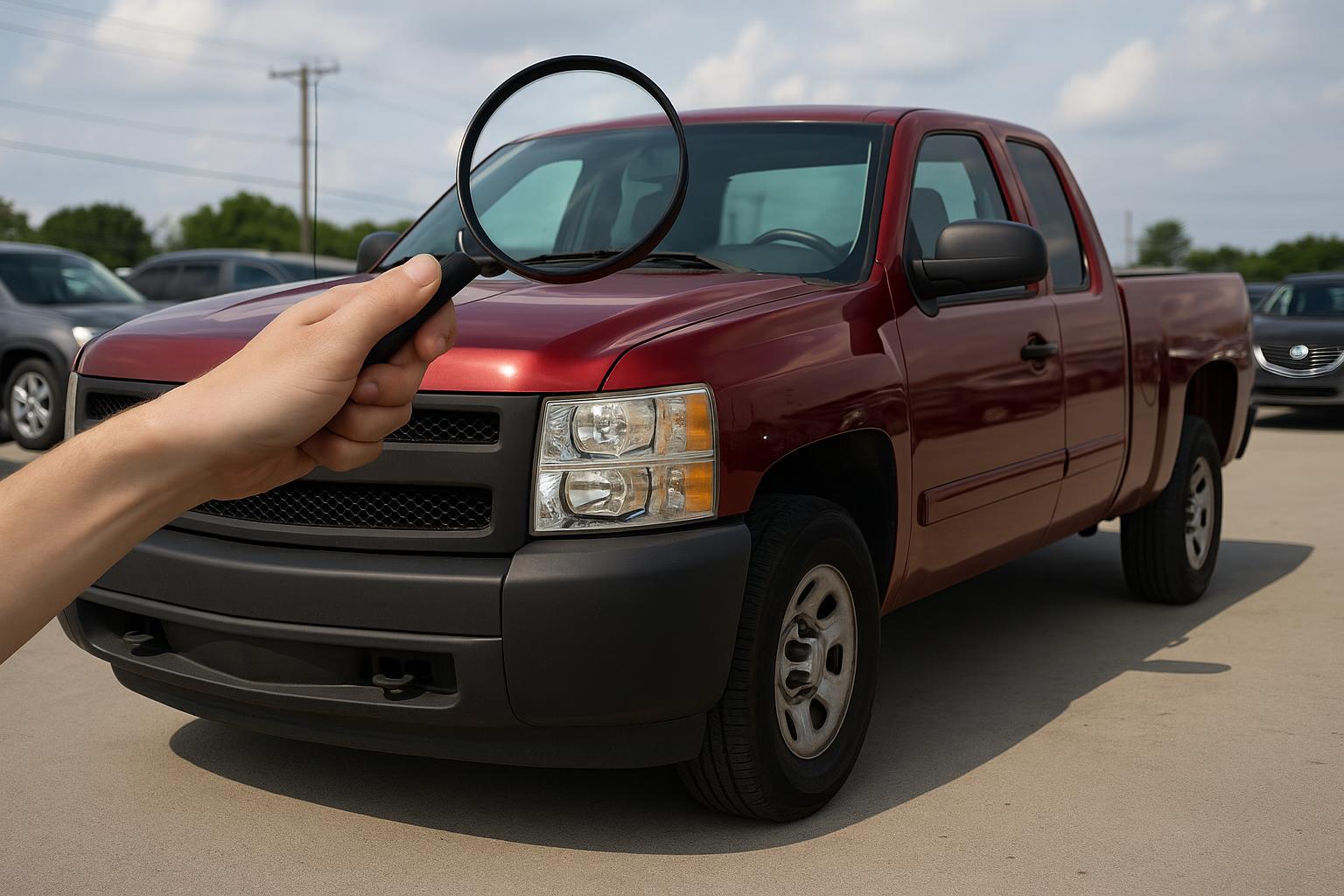
A clean vehicle can still hide small signs of poor care. Before you trust the deal, look at the records, tires, lights, brakes, fluids, and body gaps. Ask direct questions in plain words. You do not need fancy car talk here. You need clear answers and a little patience.
1. Check the service record
Service records show how the car was treated. Look for oil changes, brake work, tire changes, and past repairs. Gaps in records do not always mean trouble. Still, they should make you ask more questions.
2. Review mileage with the car’s age
Mileage is only part of the story. A higher-mile car with steady care can still be a fair pick. A low-mile car with poor care may bring problems. Look at the full picture before you decide.
3. Look for wear in common spots
Check the seats, pedals, steering wheel, and tires. Heavy wear can tell you how the car was used. Uneven tire wear may point to alignment issues. Little clues speak loudly, if you listen.
4. Take a real test drive
Drive on roads like the ones you use each day. Test turns, stops, starts, and parking. Listen for knocks, squeaks, or odd shifts. A short ride can tell a long story.
Why dealer trust matters as much as the price tag
Price gets attention first, and that is normal. Still, the lowest number is not always the safest choice. A fair price should come with clear records, honest answers, and written terms. If the details feel cloudy, the deal may not be as good as it looks.
In the second half of your search, compare local options while working alongside a used car dealer that gives you room to review choices clearly. Ask for the full price before you agree to anything. That means taxes, title, fees, and add-ons. Nobody likes surprise math at the desk.
- Ask for the final price in writing.
- Read warranty terms before signing.
- Compare similar years and trims.
- Do not rush because of pressure.
- Keep a short note after each visit.
Trust also shows in how your questions are handled. Good answers should be simple, direct, and calm. If you feel pushed, step back. A solid deal will still make sense after lunch.
How to compare Chevy models without getting lost
Comparing cars gets easier when you use one simple method. Pick three models that fit your budget and daily needs. Then compare mileage, condition, service history, fuel use, and features. This keeps the search clean and stops every car from blending.
Do not compare a base model sedan with a loaded SUV and expect a fair result. Match similar models whenever possible. Compare the same body style, year range, and mileage range. That way, the price difference tells you something useful.
- Compare like with like.
- Make a short scorecard.
- Test drive your top choices.
- Remove cars with unclear records.
- Sleep on the final choice if needed.
Your best choice should not need a long excuse. It should fit your money, your roads, and your comfort level. When all three line up, the decision feels much lighter.
A calm finish for a smarter car buying choice
A used Chevy search does not have to feel messy. When you start with your real needs, check the records, test the car well, and ask clear questions, the right choice becomes easier to spot. The goal is not to buy fast. The goal is to buy with a steady mind.
We believe smart buyers win by slowing down at the right moments. Bring your notes, trust what you notice, and do not ignore small doubts. If a vehicle fits your budget, your drive, and your comfort, it deserves a closer look. When you feel ready, take the next step with care and choose the Chevy that feels right for the road ahead.
