

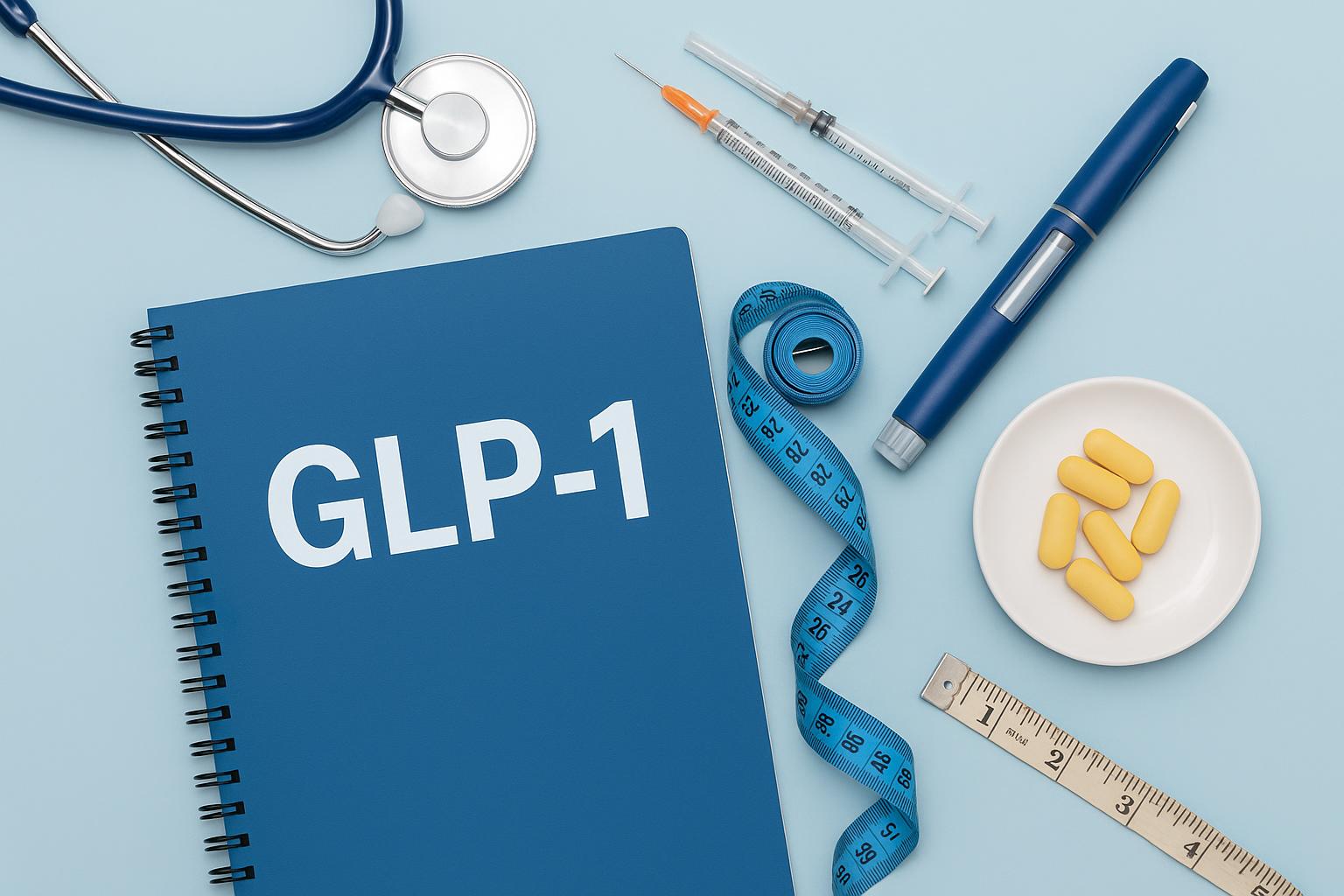
GLP-1 medications have become one of the most discussed topics in health and wellness over the past two years, and for good reason. They represent the first pharmaceutical category to consistently produce double-digit body weight reductions in clinical trials without surgery or extreme caloric restriction. But the public conversation has run ahead of patient understanding in many ways, and people considering this category often start the process with a mix of accurate information and misconceptions. This article walks through what these medications are, who they are for, and what a thoughtful starting point looks like.
What GLP-1 Medications Actually Do
GLP-1 stands for glucagon-like peptide-1, a hormone the gut produces naturally in response to eating. It signals fullness to the brain, slows the rate at which food leaves the stomach, and helps the pancreas release insulin. GLP-1 medications are synthetic versions of this hormone designed to last longer in the body and act on the same receptors more consistently than the natural version.
The result, for most patients, is a noticeable reduction in appetite and a longer-lasting sense of fullness after meals. Many people describe a quieting of what is sometimes called food noise — the constant background thoughts about eating that have been part of their life for years. The behavioral effect of this change is what drives most of the weight loss, rather than any direct fat-burning mechanism.
Who They Are For
GLP-1 medications were originally developed for type 2 diabetes, and they remain a first-line treatment for that condition. The weight loss applications came later, after researchers noticed that patients with diabetes on these drugs were losing significant weight as a side effect. Regulatory approval for weight loss specifically came in waves between 2021 and 2023.
Today, these medications are typically appropriate for adults with obesity or with overweight plus at least one weight-related health condition such as high blood pressure, type 2 diabetes, or sleep apnea. They are not generally recommended for people who are at a healthy weight and want to lose a few cosmetic pounds, and reputable providers will screen for this distinction during intake. A serious GLP-1 weight loss program will turn away patients for whom the risk-benefit calculation does not work, even when those patients are willing to pay.
What to Expect in the First Three Months
The starting dose of a GLP-1 medication is intentionally low. The dose is then increased gradually over several months in a process called titration, which gives the body time to adjust to the medication and reduces the severity of side effects. During the first month, most patients experience some combination of nausea, mild fatigue, and reduced appetite. These effects typically peak in the first few weeks after each dose increase and then settle down.
Weight loss during the first month is often modest — perhaps a few pounds for most patients. The pace tends to pick up in months two and three as the dose increases and the appetite-suppressing effects become more consistent. Patients who expect dramatic immediate results sometimes get discouraged early; those who understand the typical curve tend to stay on therapy and see better long-term outcomes.
Risks and Considerations
Like any prescription medication, GLP-1s carry risks that need to be weighed against the benefits. The most common issues are gastrointestinal side effects that resolve on their own. Less common but more serious risks include pancreatitis, gallbladder issues, and contraindications related to certain thyroid conditions. Patients considering semaglutide weight loss should disclose their full medical history during intake and should expect a provider to ask detailed questions before issuing a prescription.
The Starting Point
For most people, the right first step is a thorough conversation with a clinician who can review their medical history, current medications, and weight loss goals before recommending a specific medication and dose. This is true whether the conversation happens in a traditional clinic or through a telehealth platform. The format matters less than the substance — what matters is that the provider takes the time to understand the patient before writing a prescription.
