

The way we pay for everyday goods and services has transformed dramatically over the last decade. Gone are the days of carrying a thick wallet of cash to manage weekly expenses. Today, digital wallets and plastic cards dominate the Australian spending landscape. According to research from the Reserve Bank of Australia, payment cards were used for an impressive 76 per cent of all consumer payments in 2022, with credit and charge cards alone accounting for 26 per cent of these transactions. While this shift offers undeniable convenience, it also makes it easier to lose track of borrowing costs. When a simple tap of a screen or card is all it takes to complete a purchase, understanding the mechanics behind credit becomes a crucial step in safeguarding your financial health. Developing a strong foundation of financial literacy allows you to enjoy the benefits of modern payment methods without falling into common debt traps.
The True Cost of Borrowing
Credit cards are incredibly useful tools when managed correctly. They offer security, buyer protection, and cash flow flexibility that can help you navigate unexpected expenses. However, the convenience of a credit limit can sometimes mask the long-term costs associated with carrying a balance. The most significant of these costs is usually the interest rate, often expressed as the Annual Percentage Rate or APR. If you only make the minimum repayment each month, the interest charges compound, turning a small impulse purchase into a persistent financial burden that can take years to clear.
Education is your best defence against debt. Many major financial institutions offer comprehensive guides that break down how interest rates are calculated and when interest-free periods apply. Taking the time to read through these resources helps demystify the terms and conditions attached to your account. When you understand exactly how your borrowing costs are calculated, you are far less likely to be caught off guard by your monthly statement. A thorough understanding of your credit agreement empowers you to make informed spending decisions.
Spotting and Managing Hidden Fees
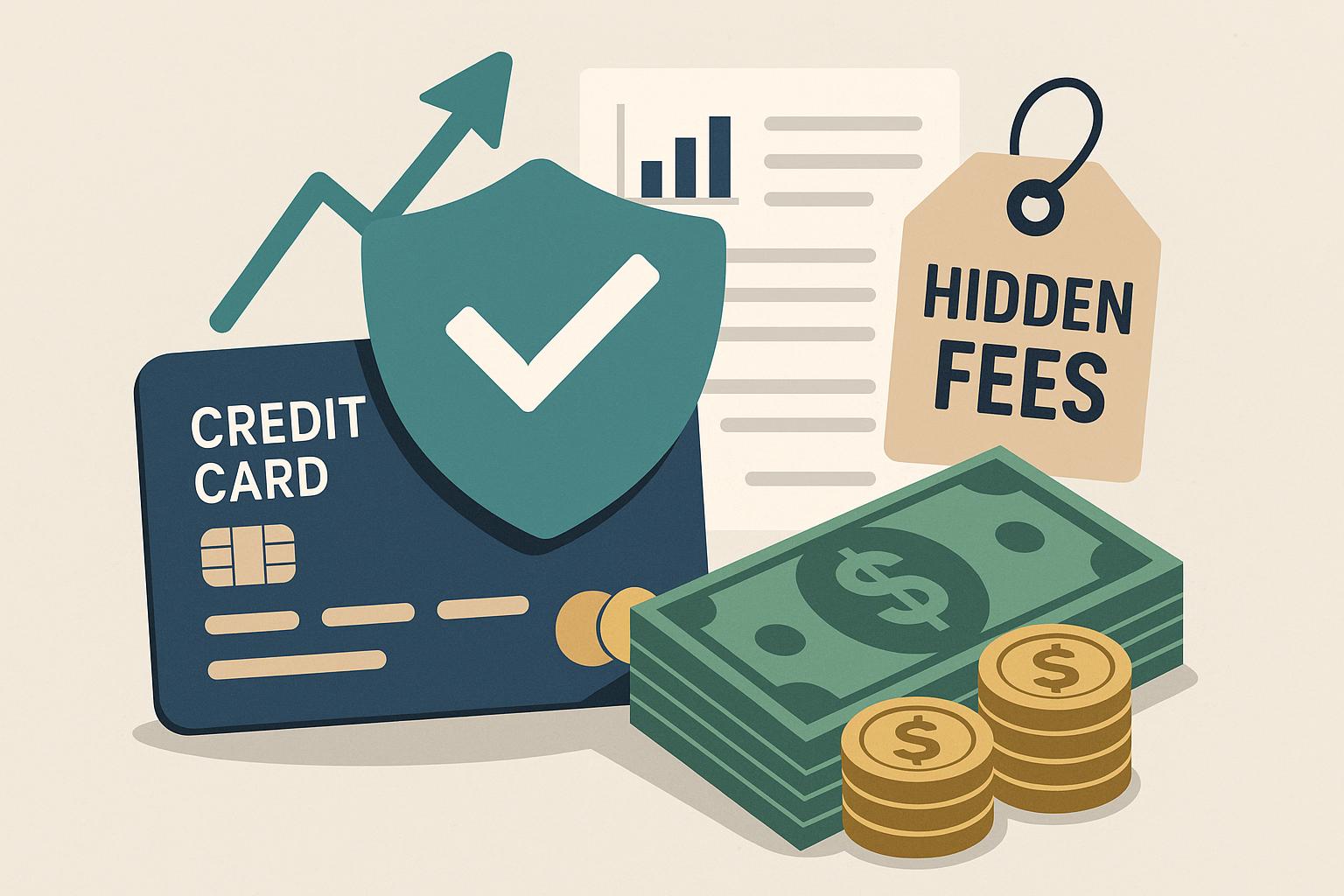
Beyond the headline interest rate, the cost of credit can quietly inflate through various administrative charges and penalties. These hidden fees often go unnoticed until they appear on a statement, slowly eroding your purchasing power over time. Protecting your
financial wellbeing requires a proactive approach to identifying these extra costs before they impact your budget. Understanding the fee structure of your account is just as important as knowing your interest rate.
Here are some of the most common fees to watch out for:
Annual account fees: Many rewards or premium cards charge a yearly fee simply for holding the account. You must evaluate whether the perks you receive genuinely outweigh this ongoing cost, especially if you rarely use the card’s premium features.
Late payment penalties: Missing a payment deadline by even a single day can trigger a flat fee and potentially harm your credit score. Setting up direct debits or calendar reminders can help you avoid these unnecessary charges.
Cash advance charges: Withdrawing cash from an ATM using a credit card is notoriously expensive. It usually incurs an immediate flat fee and attracts a much higher interest rate from the moment the cash is dispensed, with no interest-free period.
International transaction fees: Purchasing from overseas retailers online or using your card while travelling can attract additional surcharges. If you frequently shop internationally, it is worth looking for an account that waives these specific fees
By actively reviewing your credit agreement, you can avoid these pitfalls and choose an account structure that better suits your lifestyle and spending habits
Practical Steps for Better Financial Health
Building good financial habits is the most effective way to manage credit responsibly. Start by aiming to pay your closing balance in full every month. This practice not only prevents interest charges from accumulating but also helps you maintain a positive credit history, which is essential if you plan to apply for a mortgage or personal loan in the future. If paying the full balance is not immediately possible, focus on paying significantly more than the minimum requirement to reduce the principal amount faster.
Another smart strategy is to make the most of interest-free days. Most credit providers offer a window of time where new purchases do not attract interest, provided you paid your previous balance in full. Aligning your major purchases with the start of your billing cycle can give you maximum time to pay off the amount before any charges are applied. Finally, make it a habit to check your transactions weekly rather than waiting for the monthly statement. Regular monitoring helps you detect any unauthorised charges early and keeps you grounded in your daily spending reality.
Navigating the modern financial landscape does not have to be an intimidating experience. As we continue to move toward an increasingly cashless society, credit will remain a central component of everyday consumer habits. The key to maintaining your financial health is treating credit as a calculated tool rather than an extension of your income. By educating yourself on interest rates, staying vigilant against hidden fees, and adopting disciplined
repayment habits, you can enjoy the convenience of modern payment methods while keeping your hard-earned money securely in your pocket.
