

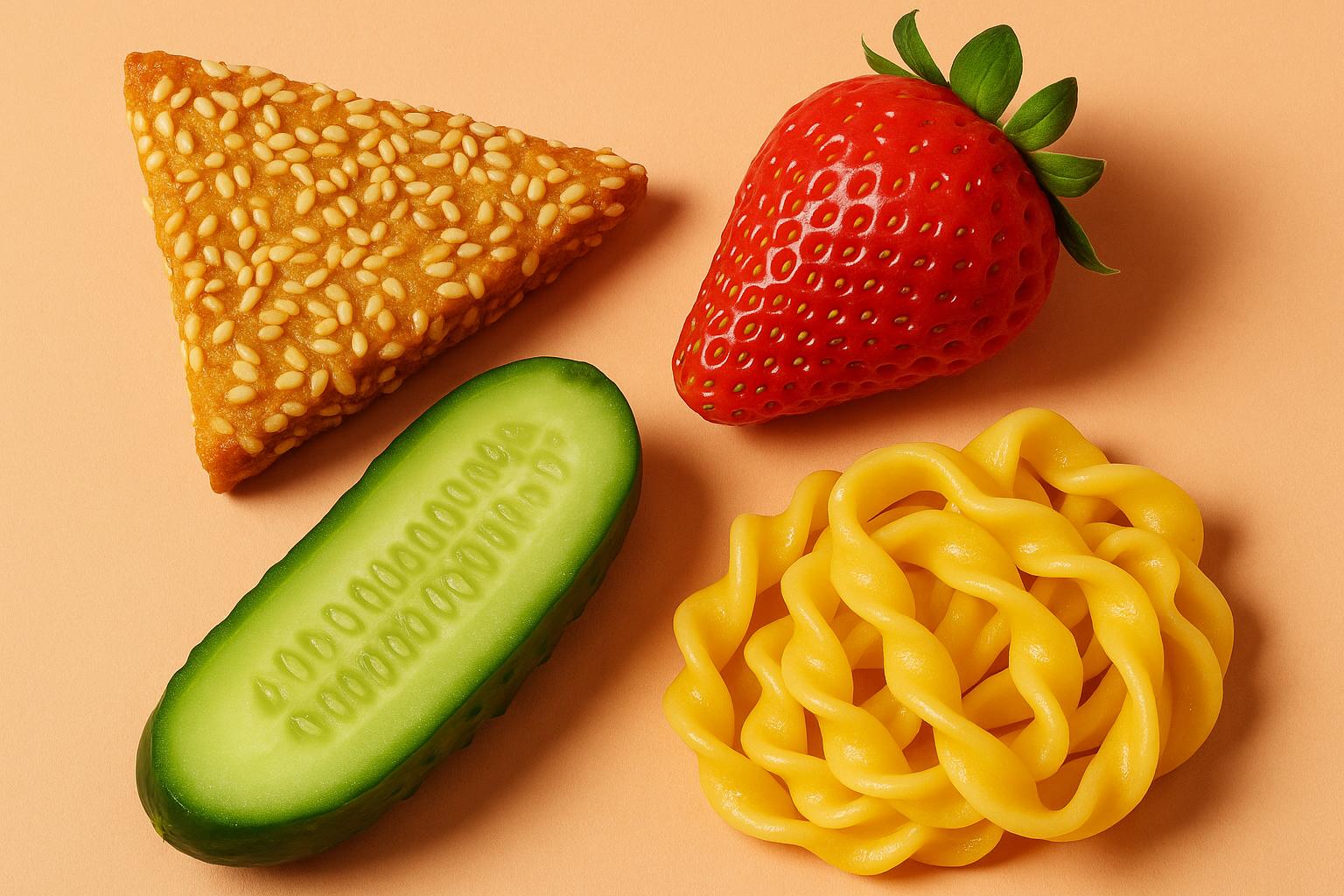
Food is never just about flavour. It’s also about the way it feels. A soup that’s smooth enough to be comforting, a dessert that melts without becoming sticky, a savoury dish that holds together without feeling heavy; these details can shape the entire experience of eating, especially for people who find ordinary meals difficult to manage.
That’s part of what makes The Pure Food Co such an interesting name in food care. When texture, nutrition and dignity all need to be considered at once, the goal isn’t simply to make food easier to eat. It’s to make mealtimes feel more enjoyable, familiar and human.
Why Texture Matters More Than People Realise
Most of us don’t think too much about texture unless something feels wrong. A sauce is too thin, a piece of meat is too tough, a vegetable is overcooked, or a meal feels dry enough that every bite needs effort. For people with swallowing difficulties, reduced appetite, illness, ageing-related challenges or recovery needs, texture isn’t a minor preference. It can affect safety, comfort and whether a person eats enough in the first place.
This is where food becomes deeply personal. A meal that looks good but feels difficult to swallow may be avoided. Something technically nutritious might still go uneaten if it doesn’t feel pleasant. When people are already dealing with health challenges, the frustration of struggling through meals can take away one of the day’s small comforts.
Good texture-modified food has to do several things at once. It needs to support nutrition, meet safety requirements, feel consistent, and still have enough appeal that people actually want to eat it. That balance is harder than it sounds. The best results don’t feel like a compromise; they feel like food that has been thought about properly.
Mealtimes Are About More Than Fuel
There’s a reason people remember favourite meals from childhood, or the dish someone used to make when they wanted to cheer everyone up. Food sits close to memory, routine and identity. So when someone’s food needs change, whether because of age, illness or care requirements, it can feel like more than a practical adjustment. It can feel like losing part of a familiar daily rhythm.
That’s why dignity matters so much. A person shouldn’t have to feel embarrassed, overlooked or reduced to a medical need because their meal has been adapted. The more familiar, appetising and thoughtfully prepared the food feels, the easier it is for mealtimes to remain a positive part of the day.
For carers, families and health professionals, this can also reduce stress. When food is both suitable and enjoyable, there’s less anxiety around whether someone will eat enough or whether meals will become a battle. A well-designed food solution can quietly support everyone involved.
The Care Hidden in the Details
The smallest details often make the biggest difference: the thickness of a puree, the smoothness of a sauce, the way a meal is presented, the balance of flavour, the sense that someone has considered the person eating it rather than only the condition they’re managing.
Better Food Starts With Better Understanding
Texture may not be the first thing most people notice about a meal, but for many, it’s the thing that makes eating possible, comfortable and enjoyable. When food is created with that understanding, it does more than meet a requirement. It helps preserve the pleasure, routine and dignity that mealtimes should still be able to offer.
