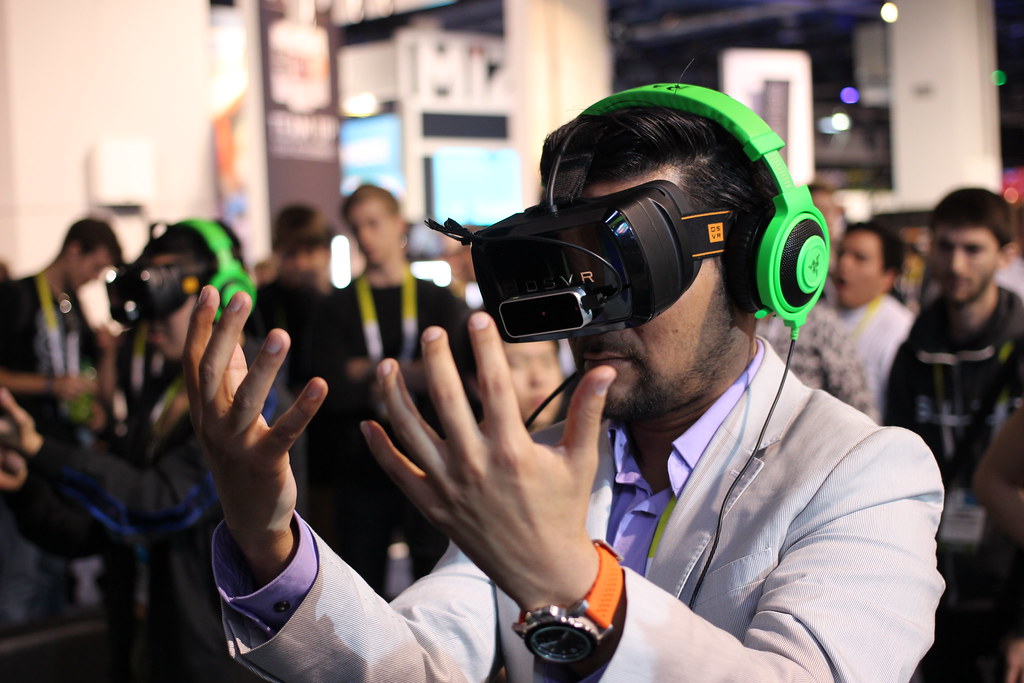

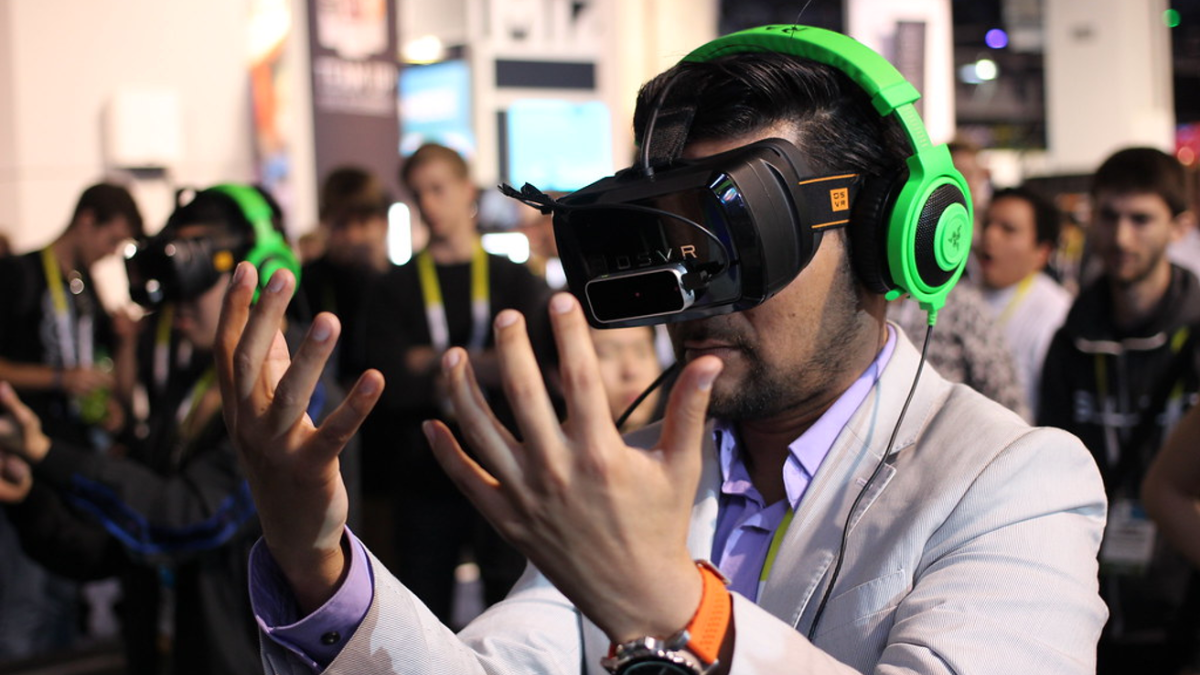
Virtual Reality (VR) has transformed from a science fiction fantasy of games with bonus rounds into a powerful and transformative tool with real-world applications across different sectors, and modern sports is no exception.
In the past decade, VR has majorly reinvented the landscape of sports by influencing how athletes training, how fans engage with events, and his coaches and teams strategies. With the immersive experiences that it offers, VR is not just boosting sports but redefining the boundaries of what’s possible.
Virtual Reality in Athlete Training
The most major contribution of VR in sports lies in athlete development and training. Unlike traditional methods, this offers a risk-free, repeatable and highly controlled environment that permits athletes to fine-tune specific skills and simulate real-game scenarios, and a highly controlled environment that permits athletes to fine-tune specific skills, simulate real-game scenarios, and even recover from injuries.
Skill Simulation & Cognitive Training
Sports like American football, basketball, baseball, and even soccer have adopted VR to simulate game-like situations that boost decision-making, reaction time, and tactical awareness.
For example, a quarterback in the NFL can use virtual Reality to experience different defensive alignments and practice reading plays without the physical strain of repeated drills. These simulations equally allow athletes to develop “mental reps” as critical as physical ones. In high-speed sports like Formula 1 or downhill skiing, VR helps athletes to mentally regard courses or laps, improving memory, reducing reaction times, and building confidence.
Injury Rehabilitation & Prevention
Injuries are an unavoidable aspect of sports. However, VR has introduced new ways of mitigating their effects. Rehab can be a monotonous and frustrating, usually leading to decreased motivation and slower recovery. With VR, physiotherapy sessions become interactive and engaging. Hence, patients can reform rehab exercises in immersive settings that mimic real sports scenarios, helping to maintain muscle memory and psychological readiness.
Moreover, biomechanical data collected during VR sessions can be analyzed to detect faulty movement patterns that might predispose an athlete to injury. This permits preemptive interventions and minimizes injury risk in the long term.
Transforming Coaching & Strategy Development
Coaches and teams increasingly depend on data analytics, and VR amplifies this trend by offering engaging ways to visualize and analyze gameplay. Using VR, coaches can recreate entire matches in 3D. This offers players a first-person view of tactical decisions. It equally boosts understanding and retention of strategies. So, instead of watching from the sidelines or reviewing traditional 2D footage, you can relive key moments and better understand positioning, spacing, and timing.
Furthermore, scouts can use VR to evaluate potential recruits in online match settings. Instead of solely depending on past footage or live games, recruiters can simulate numerous scenarios to evaluate how a player responds to pressure, space, and decision-making. This adds an extra layer of depth to talent evaluation and can help reduce recruitment risks.
Boosting Fan Engagement & Experience
In the digital age, fan engagement is as important as player performance for the financial health of sports organizations. VR opens entirely new paths to deepen loyalty and participation. With VR headsets, fans can enjoy a front-row seat experience from their homes.
Additionally, platforms like Oculus Venues have hosted online watch parties where fans can socialize, cheer, and interact during games. This combination of community and immersion elevates the viewing experience, boosting a deeper emotional connection with teams.
VR games have become quite popular, as they offer fans the chance to play as their favourite athletes or teams. Beyond entertainment, this equally serves as a form of grand entertainment. Some teams have even created VR-based content that permits fans to train with real players, proceed behind the scenes of club facilities, or relive iconic moments in the team’s history.
VR in Sports Broadcasting
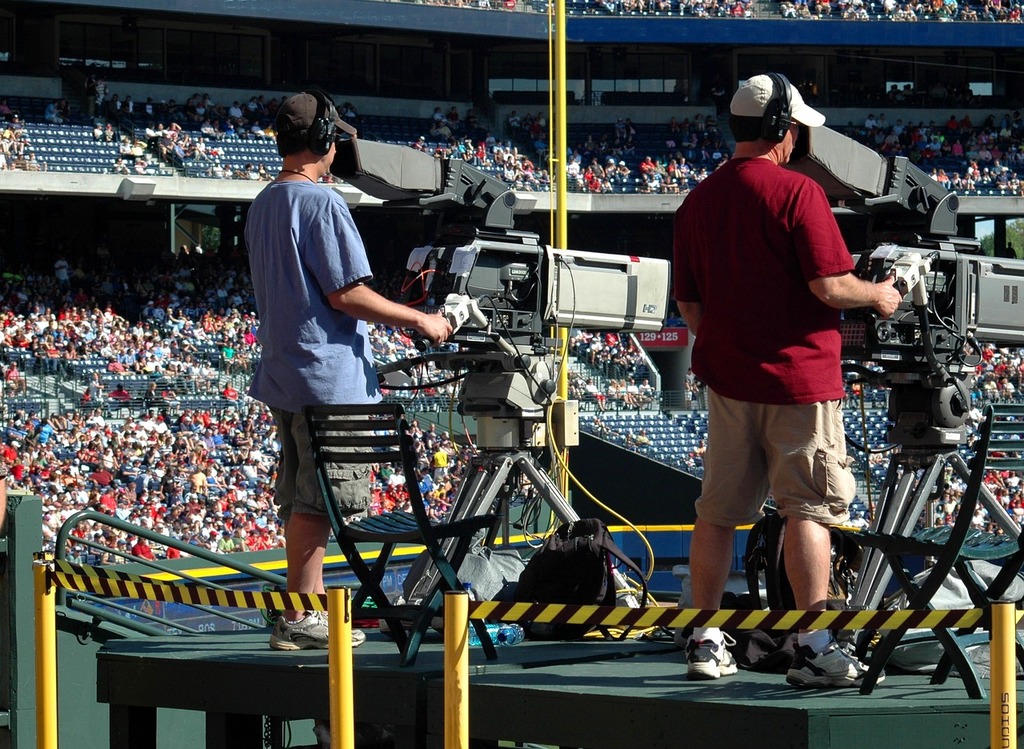
VR is pushing the boundaries of sports broadcasting by creating a multidimensional viewing experience. The traditional passive consumption of content is replaced by immersive and interactive viewing. Imagine re-watching a penalty kick from the goalkeeper’s perspective or viewing a Slam dunk from under the rim. These replays offer unmatched understanding and entertainment value.
Hence, combining VR with augmented Reality (AR) enables real-time data visualization within virtual environments. This way, broadcasters can show heat maps, player speed, possession stats, and tactical formations as part of the VR experience, making the broadcast not just immersive but informative.
Enriching Human Passion and Performance
Virtual Reality is no longer a futuristic novelty but a transformative force in modern sports. As innovation keeps pushing the boundaries of immersion and interactivity, the combination of VR and sports promises a future where the virtual and physical coexist. So, watch out for the potential of VR to redefine how you play, watch and experience sports undeniably.