

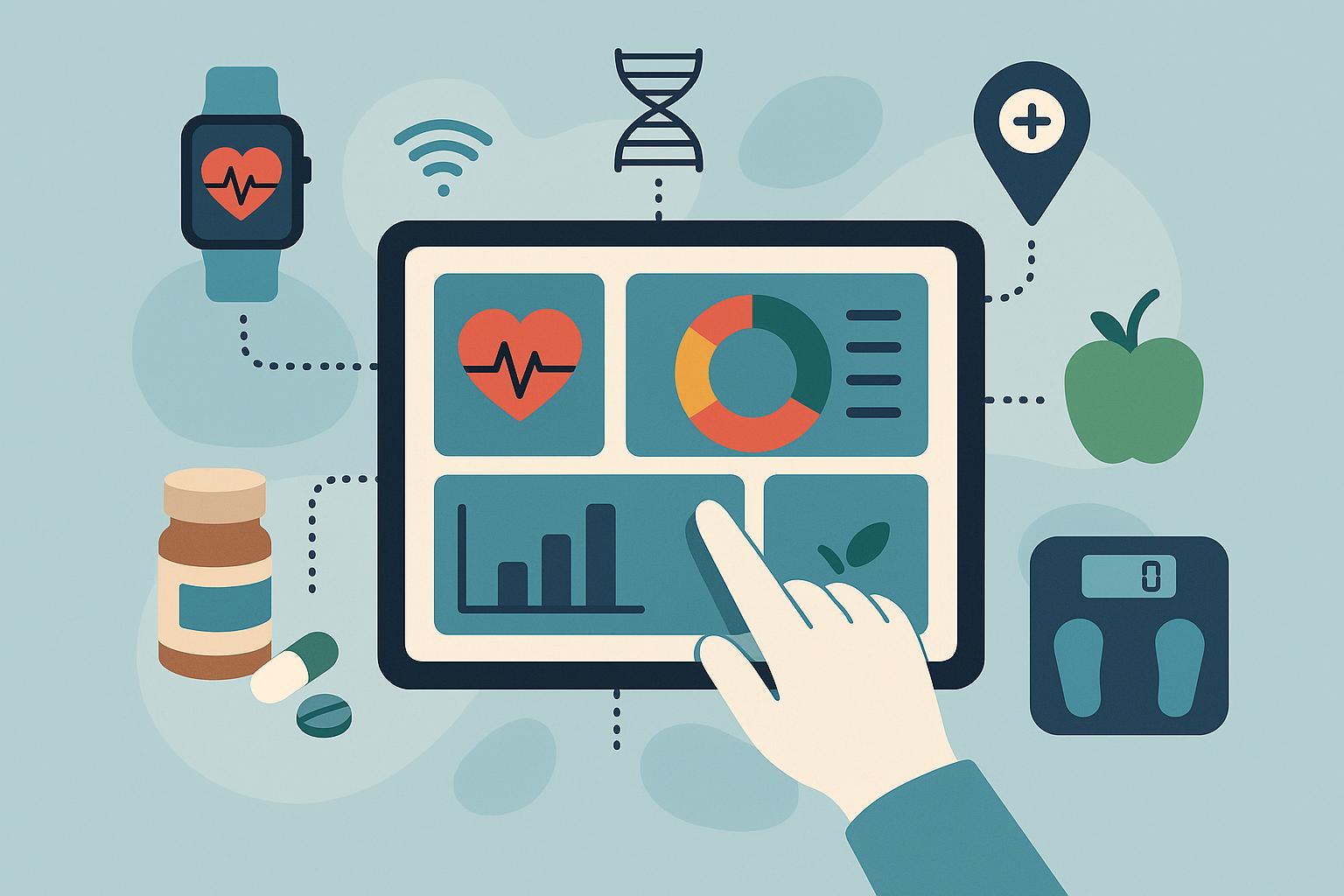
Technology isn’t just transforming how we shop, work, or communicate; it’s reshaping one of the most personal areas of our lives: our health. Today’s wellness landscape looks nothing like it did a decade ago. Consumers now expect tailored solutions, data‑driven clarity, and tools that simplify, not complicate, the decisions they need to make.
From AI‑powered platforms to intuitive health dashboards, precision wellness is becoming the standard. And as people navigate everything from fitness routines to long‑term treatment decisions, tech is helping them filter out confusion and move toward options that genuinely fit their goals.
This shift isn’t a niche trend; it’s a broader movement redefining health access, health literacy, and the everyday experience of taking care of ourselves.
How Today’s Digital Tools Are Eliminating Confusion in Health Decisions
One of the most significant barriers to personal wellness has always been information overload. People often find themselves torn between search results, social opinions, and conflicting medical advice online. Modern health tools are solving that problem through structured, science‑backed guidance.
AI‑driven apps and wellness platforms now offer personalized insights based on real inputs, sleep data, movement patterns, mood tracking, nutrition logs, and more. With each interaction, the technology learns and refines suggestions, replacing guesswork with clarity.
These platforms don’t diagnose or replace professionals, but they do act as a first filter, helping individuals arrive at appointments or decisions with better context. This approach lowers stress, improves follow‑through, and increases someone’s confidence that their choices align with their needs.
Why Precision Wellness Is Becoming a Mainstream Expectation
Consumers aren’t just curious about personalized health; they’re demanding it. Part of this urgency comes from a new cultural norm: people want more control over their well-being.
Wearables have normalized daily tracking. Virtual appointments have normalized medical accessibility. And data‑driven apps have normalized individualized recommendations that evolve.
These expectations are reshaping the industry. The difference now is that personalization isn’t just for medical specialists or elite health programs. It’s becoming embedded in the everyday tools the average person uses.
As a result, technology isn’t simply enhancing wellness; it’s democratizing it.
The Role of AI in Building Smarter, More Personalized Wellness Experiences
Artificial intelligence has become the backbone of many high‑performing health tools. Instead of blanket recommendations, AI systems analyze layers of personal data to identify patterns and highlight what might matter most.
For example, someone struggling with low energy may receive insights that pinpoint poor sleep patterns, inconsistent eating windows, or mismatched workout intensity. Another user may see correlations between stress levels and digestive symptoms logged across the week.
This helps people understand their health on a deeper level. Instead of reacting to symptoms, they begin to notice triggers, take preventive steps, and understand what works specifically for them.
AI also supports better long‑term planning. By tracking progress and adjusting insights over time, the technology encourages ongoing engagement, a key element of successful wellness habits.
How Digital Platforms Simplify Complex Treatment Options
Even with good habits, many people still face decisions that feel overwhelming, especially when those decisions involve medical treatments, physician‑recommended plans, or long‑term commitments.
Digital health platforms step in by providing structured guidance that breaks down complicated topics into understandable pieces. These tools often use comparison charts, simplified language, and real‑world examples to help users understand what options might fit their circumstances.
This support is especially valuable in areas where treatment pathways vary widely. For instance, someone exploring how medication may support a weight‑management plan can now find clearer explanations of how medication fits into modern weight-loss plans—including distinctions between treatment categories.
By understanding what different approaches involve, users can have more productive conversations with their healthcare providers and make choices with greater confidence.
Why Workplace Wellness Is Evolving With Tech
Employers have also entered the precision‑wellness space, not just for productivity reasons, but because many successful organizations recognize employee well-being as a core business strategy.
Many companies are adopting wellness technologies that encourage healthier habits and remove friction from care access. This might include:
- Tools for stress management and mental wellness
- Fitness and movement apps connected to workplace incentives
- Nutrition guidance platforms
- Health dashboards where employees track biometric data
- Digital health benefits that support treatment navigation
In this environment, tech empowers employees to take ownership of their wellbeing while giving employers visibility into overall health trends, without compromising personal privacy.
As healthcare costs rise globally, these digital solutions offer direction, reduce uncertainty, and make it easier for employees to make informed decisions about their lifestyle and long‑term health.
The Consumer Shift Toward Evidence‑Based Wellness
The rise of tech in wellness isn’t just about convenience; it’s making consumers more discerning. People increasingly want to understand why a recommendation exists, not just what the recommendation is.
Modern wellness tools deliver this by:
- Citing research or clinical data
- Explaining the science behind habits or treatments
- Comparing options in user‑friendly formats
- Using data patterns to support conclusions
This clarity builds trust. When people feel informed, they’re more likely to commit to a wellness path, whether it involves lifestyle changes, preventive care, or medically guided interventions.
Consumers no longer rely on generic advice. They want personalized, evidence‑backed guidance, and technology is meeting that need.
How Precision Wellness Encourages Long‑Term Habit Building
Dramatic changes don’t build sustainable wellness; consistency does. Digital platforms can support this because they combine personalization with ongoing engagement.
Daily reminders, progress tracking, and habit‑shaping prompts keep users connected to their goals. Micro‑adjustments recommended by apps help keep routines adaptable and realistic.
Even the emotional component matters. People feel supported when they see tangible improvement in their energy levels, sleep patterns, or mood logs. These small wins reinforce long‑term adherence.
With tech acting as both guide and accountability partner, wellness becomes less about willpower and more about structure.
The Future of Precision Wellness: What Comes Next
As technology evolves, precision wellness will continue expanding into new areas. Some of the emerging advancements include:
- More integrations between wearables and medical systems
- Predictive analytics that anticipate health needs
- Personalized nutrition plans based on biomarkers
- More innovative mental‑health platforms that identify early signs of burnout
- Tailored exercise programs generated from mobility and strength data
- Digital tools that help individuals compare complex wellness or treatment paths more easily
The ultimate goal is simple: make health decisions easier, clearer, and more personal.
The convergence of data, AI, and user‑friendly design will keep pushing the industry forward. And as consumers adopt these tools, the standard for what “good” health guidance looks like will continue to rise.
Technology won’t replace physicians or specialists, but it will continue to empower individuals to take ownership of their well-being.
Conclusion
Precision wellness is no longer an emerging idea; it’s quickly becoming the foundation of modern health decision‑making. With technology offering clearer insights, structured comparisons, and personalized guidance, people have more confidence navigating everything from daily habits to long‑term treatment options.
As this field grows, its value becomes even clearer: when people understand their health better, they make better choices. And when tech supports those choices by adapting with them over time, wellness becomes more accessible, more achievable, and far more personal.
