

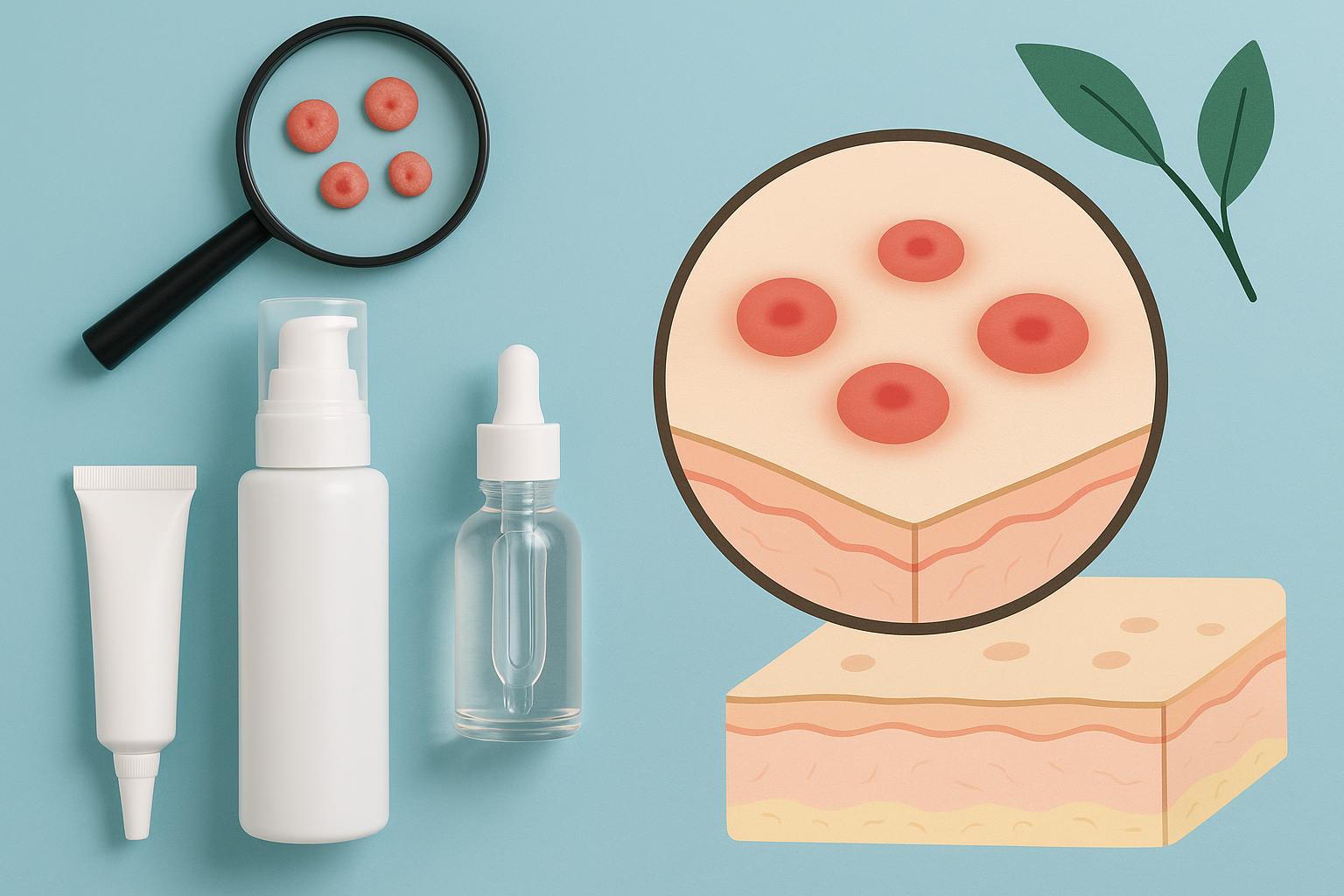
Papular acne is a frustrating skin condition characterized by small, raised, red bumps that are inflamed but do not contain pus. Unlike whiteheads or blackheads, papules indicate active inflammation in the hair follicles. If left unmanaged, papular acne can lead to post-inflammatory marks, pigmentation, and even permanent scarring.
For those struggling with persistent or inflamed papules, early professional intervention is crucial. Treatments such as acne laser Singapore provide targeted care to calm inflammation, reduce lesions, and minimize the risk of scarring. Addressing papular acne early ensures faster healing and healthier skin.
In this guide, we’ll explore how to recognize papular acne, why it’s more prone to scarring, and practical strategies — from skincare routines to lifestyle adjustments — to manage it effectively.
Understanding Papular Acne
Papular acne appears as small, firm, red bumps that are tender or slightly painful. These lesions result from inflammation within the hair follicle caused by:
- Excess sebum production: Oil buildup clogs pores and triggers inflammation.
- Bacterial activity: Cutibacterium acnes exacerbates the inflammatory response.
- Hormonal fluctuations: Androgen surges can increase sebum production.
- Skin friction: Tight clothing, backpacks, and pillow contact can worsen lesions.
Because papules are inflammatory, they carry a higher risk of leaving permanent marks compared to non-inflammatory acne like blackheads or whiteheads.
Why Early Intervention Matters
Left untreated, papular acne can lead to:
- Scarring: Deep or prolonged inflammation can damage collagen and connective tissue.
- Post-inflammatory erythema: Red marks that linger after lesions heal.
- Hyperpigmentation: Particularly in individuals with darker skin tones.
Early professional treatment minimizes these risks and accelerates healing, ensuring the skin recovers with minimal long-term damage.
Daily Skincare Strategies
Effectively managing papular acne at home requires gentle care that targets inflammation without irritating the skin further.
1. Gentle Cleansing
Use a mild, non-comedogenic cleanser twice daily to remove oil, sweat, and debris. Avoid harsh scrubs or high-alcohol toners, which can exacerbate inflammation.
2. Targeted Topical Treatments
- Benzoyl peroxide: Helps reduce bacteria but should be used sparingly on inflamed lesions.
- Topical retinoids: Promote cell turnover and prevent clogged pores.
- Niacinamide or azelaic acid: Reduce redness and calm inflammation.
3. Non-Comedogenic Moisturizers
Even oily skin requires hydration. Gel-based or water-based moisturizers help maintain the skin barrier and prevent irritation.
4. Sun Protection
UV exposure can worsen redness and post-inflammatory marks. Daily use of lightweight, broad-spectrum SPF 30+ is essential.
Professional Treatments for Papular Acne
While home care is essential, professional interventions often accelerate results and prevent scarring:
1. Acne Laser Therapy
Laser treatments can:
- Reduce inflammation and redness
- Target acne-causing bacteria
- Stimulate collagen repair to minimize scarring
Laser therapy is particularly effective for persistent or widespread papules and complements topical treatments for faster recovery.
2. Chemical Peels
Supervised chemical peels exfoliate clogged pores, reduce inflammation, and improve skin texture without causing additional trauma.
3. Microneedling
For lesions that have already left marks, microneedling stimulates collagen production, improving the appearance of post-acne scars over time.
Lifestyle Measures to Support Skin Health
- Avoid Picking or Squeezing Lesions: Picking deepens inflammation and increases the risk of permanent scarring.
- Wear Breathable Clothing: Tight fabrics can trap sweat and exacerbate papular acne, especially on the chest, back, and shoulders.
- Shower After Sweating: Sweat increases pore irritation; shower promptly after workouts or heat exposure.
- Maintain a Healthy Diet: Reduce processed foods and sugar, which can exacerbate inflammation. Focus on nutrient-rich foods and proper hydration.
- Keep Bedding and Towels Clean: Residual oils and bacteria on pillowcases and towels can worsen acne flare-ups.
Expected Timeline for Improvement
With consistent care and professional intervention:
- 1–2 weeks: Reduced redness and tenderness, fewer active lesions.
- 3–4 weeks: Noticeable improvement in lesion frequency and skin texture.
- 6–8 weeks: Significant reduction in active papules and minimal risk of scarring.
Consistency is key. Even after papules resolve, ongoing preventive measures help maintain clear, healthy skin.
When to See a Dermatologist
Seek professional care if:
- Papular acne persists beyond several weeks despite home care
- Inflammation is severe, widespread, or painful
- Post-inflammatory marks or pigmentation begin to appear
- Over-the-counter treatments fail to produce results
A dermatologist can create a personalized plan combining topical treatments, procedural interventions, and lifestyle guidance for optimal outcomes.
Combining Treatments for Best Results
The most effective approach often involves a layered strategy:
- Topical therapy to calm inflammation and prevent new lesions
- Professional treatments such as acne lasers, chemical peels, or microneedling
- Skincare and lifestyle adjustments to reduce triggers and support skin healing
This combined approach ensures faster recovery, fewer lesions, and minimal scarring.
Key Takeaways
- Papular acne is inflammatory and has a higher risk of scarring than non-inflammatory acne.
- Early treatment is critical to prevent post-acne marks.
- Gentle, consistent skincare routines and lifestyle adjustments reduce flare-ups and inflammation.
- Professional treatments like acne laser therapy are highly effective for reducing lesions and preventing long-term scarring.
Conclusion
Papular acne can be managed effectively with a strategic approach. Combining professional guidance, evidence-based treatments, and healthy habits ensures faster resolution, reduced inflammation, and minimal risk of long-term scarring.
For persistent papules or early signs of post-acne marks, professional treatment offers safe, targeted results. With timely intervention and consistent care, you can achieve healthier, smoother skin while minimizing the risk of permanent damage.
