

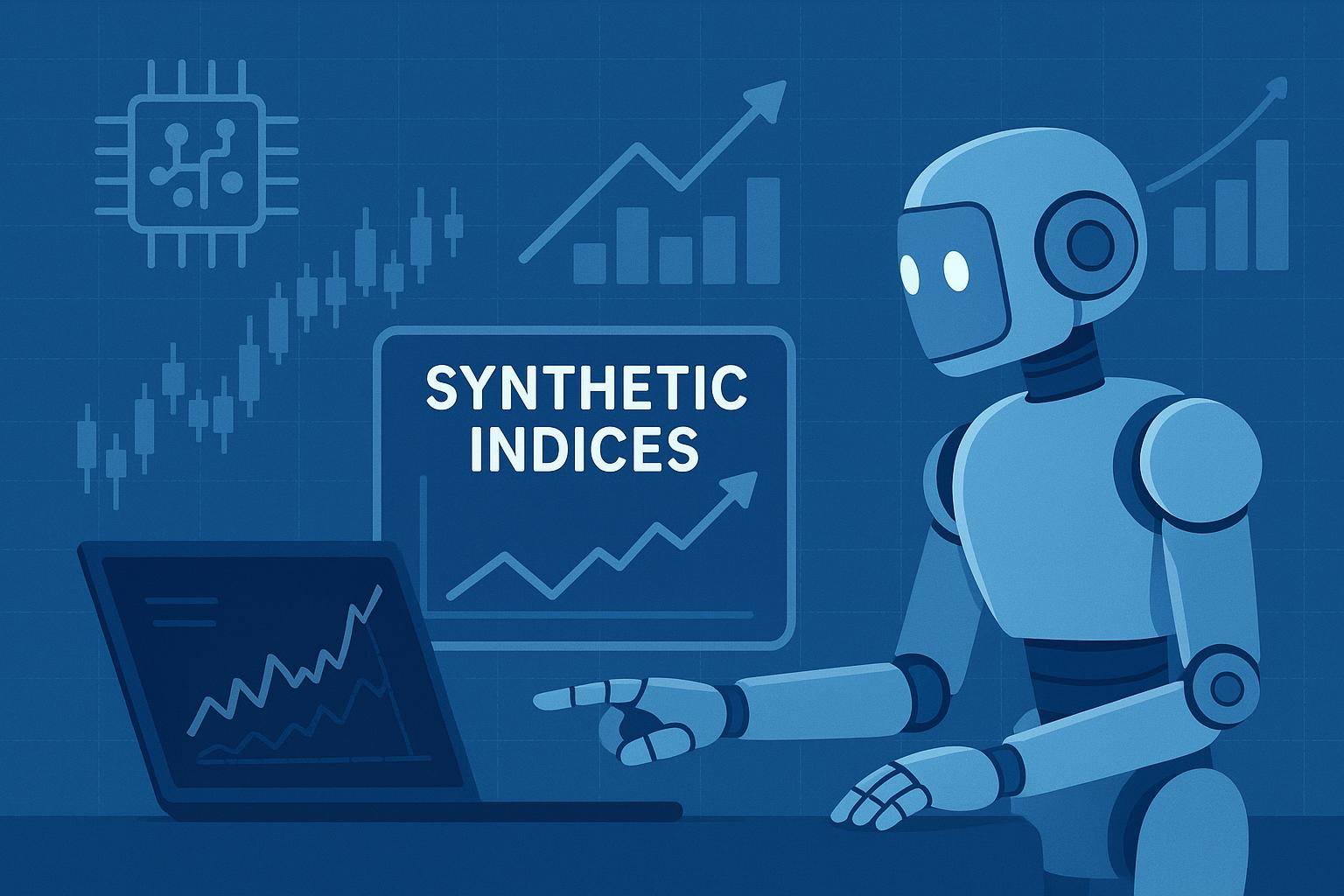
Synthetic indices robots can help automate parts of the trading process by following predefined rules, analyzing market movements, and executing trades according to preprogrammed strategies. They are also known as synthetic indices EA (Expert Advisors). This type of automated trading software can be useful for traders who want to reduce manual decision-making. However, automation does not eliminate risk, and traders should understand how a robot works before allowing it to trade with real funds.
4 Ways to Use a Synthetic Indices Robot
Here are some practical ways to use a synthetic indices robot.
Automate Your Trading Strategy
The main purpose of a synthetic indices robot is to automate a trading strategy. Traders can configure an EA to look for specific market conditions and execute trades when those conditions are met.
For example, a robot may be programmed to use technical indicators, price patterns, or predetermined entry and exit rules. This can make it easier to apply the same strategy consistently without allowing emotions like fear or greed influence every decision.
Apply Risk-Management Rules
A synthetic indices EA can also be configured with risk-management parameters. Depending on the software, traders may be able to establish stop-loss levels, take-profit targets, position sizes, and other trading limits. These features can help traders maintain a structured approach to risk. However, it’s worth noting that using excessive lot sizes or unrealistic risk parameters can still result in substantial losses.
Traders can find out more about synthetic indices trading robots on the Syntxwiki platform, which contains additional information and educational resources. This guide platform can be a useful starting point for people researching synthetic indices EAs and automated trading concepts.
Beginners interested in automated synthetic indices trading should research the technology carefully before choosing a robot. Learning how synthetic indices work, understanding EA settings, and comparing different trading approaches can help traders make more informed decisions.
Test Strategies Before Going Live
Traders can also use historical data or demo environments to evaluate how a robot might have performed under particular market conditions. Testing can reveal potential weaknesses, such as excessive drawdowns, frequent losing trades, or poor performance during certain periods. Traders should avoid assuming that successful historical results guarantee future profitability.
Explore Different Trading Approaches
Synthetic indices robots can also provide an opportunity to experiment with different automated strategies. Depending on the EA, traders can explore approaches based on trends, breakouts, momentum, or other technical signals. Testing the settings and determining whether the potential risk is appropriate for your trading objectives should be considered when using any strategy with real money.
A synthetic indices robot can automate strategies, monitor markets, apply predefined risk controls, test trading ideas, reduce emotional decisions, and support a variety of trading approaches. In any case, you should realize that every robot has limitations, and market conditions can produce unexpected results. As a final tip, testing the EA carefully in demo mode, using sensible risk-management settings, and only trading amounts you can afford to lose makes a lot of sense before committing real capital.
