

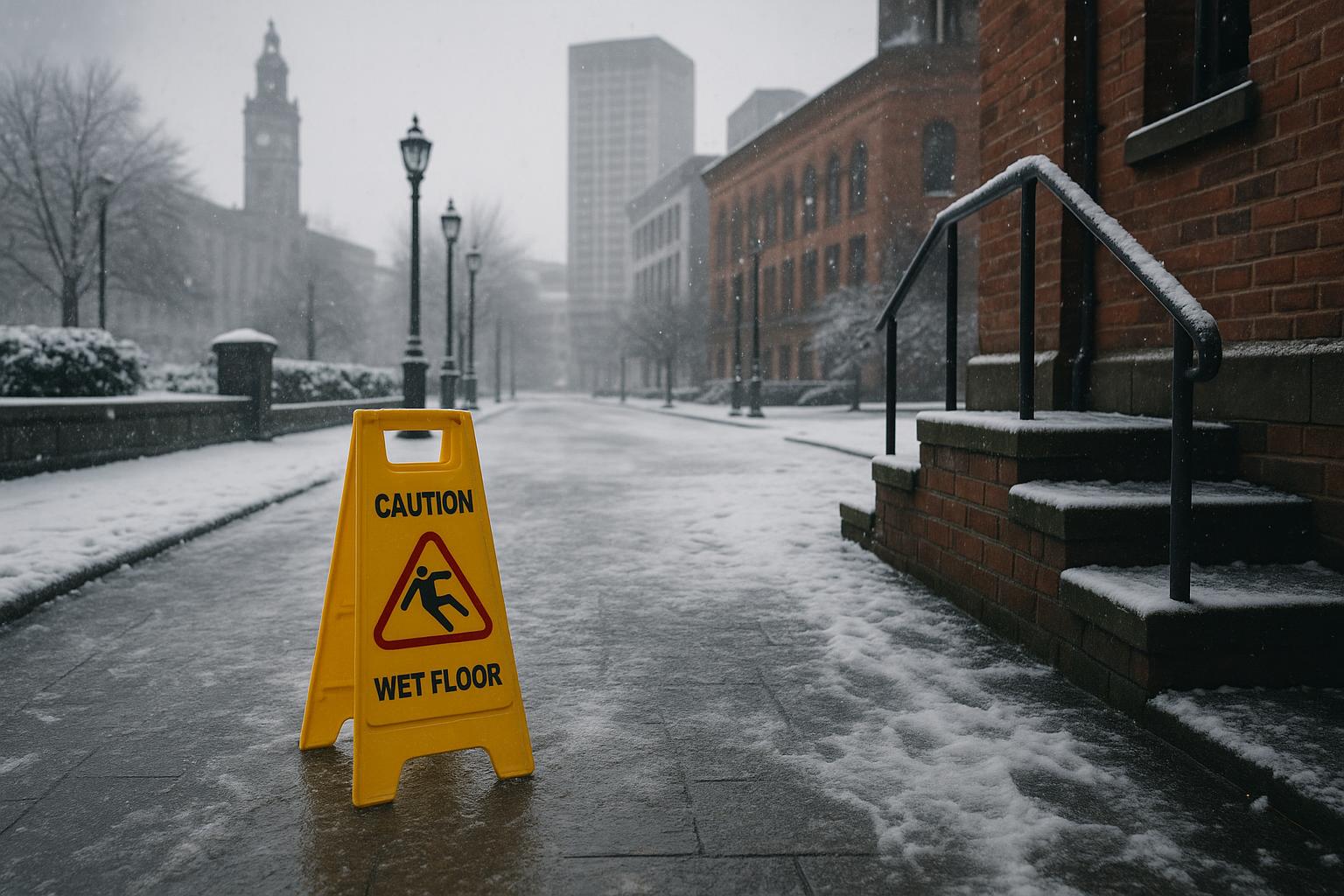
You might be feeling shaken, sore, and unsure what just happened. One minute, you were walking through a parking lot, down an apartment stairway, or across a sidewalk after heavy rain, and the next, you were on the ground wondering how a simple trip outside turned into pain, missed work, and medical bills. That kind of fall can leave more than bruises. It can leave you questioning who should have prevented it and whether a slip and fall attorney or anyone else is responsible.
When storms hit, wet surfaces, blocked drains, pooled water, and slick entryways can create real danger. The short answer is this. Liability for storm-related slip and falls in Birmingham often depends on who controlled the property, whether they knew or should have known about the hazard, and whether they had a fair chance to fix it or warn you. If a dangerous condition was ignored, a personal injury lawyer can help you sort out what comes next.
When does a storm-related fall become someone else’s responsibility?
It is easy to assume that bad weather means no one is at fault. Sometimes that is true, but not always. Rain does not erase a property owner’s duty to act with reasonable care. If a business, landlord, or property manager knew that water collected in the same spot every time it rained, or if they failed to place warnings near a slick entrance, that changes the picture.
Think about a grocery store entry with soaked floors and no mats. Or an office building with a broken drain that sends water across a walkway. Or an apartment complex where stairs become slippery each storm because repairs were delayed. In those situations, the issue is often not the storm itself. The issue is whether someone failed to address a known risk.
Because of this tension, you might wonder what counts as notice. In many cases, it comes down to whether the owner actually knew about the danger, or should have known because the problem had been there long enough or happened often enough. That is a key part of many storm slip and fall claims in Birmingham.
Why do these cases feel harder than they should?
After a fall, the legal side can feel unfairly complicated. You know you were hurt. You know the ground was slick. Yet insurers may argue that the weather was obvious, that you should have been more careful, or that the hazard appeared too suddenly for anyone to fix. In Alabama, these arguments matter because fault rules can be strict, and even small claims of blame against you may affect the case in serious ways.
That is why details matter so much. Was there standing water from a drainage issue? Had other people complained before? Were warning signs missing? Did the owner follow a cleanup plan after the storm? Public conditions can matter too, especially when drainage and runoff are involved. The City of Birmingham shares information about construction and public works operations, and the city also explains why drainage protection matters when heavy rain affects walkways and surrounding property.
So where does that leave you? It means a fall after a storm is not automatically “just an accident.” A careful review can show whether poor maintenance, ignored drainage problems, or unsafe cleanup practices played a role. That is often the heart of a weather-related slip and fall case.
What facts usually matter most after a wet floor or drainage fall?
Some facts carry more weight than others. Photos of pooled water, damaged pavement, missing handrails, or a lack of warning signs can help show what the scene looked like before it changed. Witnesses can confirm that the area had been unsafe for a while. Medical records can connect the fall to your injuries. Incident reports can reveal whether the property owner documented the event honestly or tried to minimize it.
Weather records also matter. If a storm had ended hours earlier, an owner may have had time to inspect and clean the area. If rain was ongoing, the question may shift to whether they used mats, cones, barriers, or routine checks. The National Weather Service offers practical guidance on being prepared for severe weather, and that same common sense applies to property safety. People responsible for public-facing property are expected to anticipate predictable risks when storms move through.
| Issue | May Support a Claim | May Weaken a Claim |
|---|---|---|
| Standing water | Water pooled for a long time in a known spot | Water appeared moments before the fall |
| Warnings | No cones, mats, or signs near a slick area | Clear warnings were posted and visible |
| Maintenance | Ignored drain blockage or repeated repair complaints | Regular inspection and prompt cleanup records |
| Weather timing | Storm had passed, and there was time to respond | Hazard formed during active severe weather |
| Evidence | Photos, witnesses, medical records, incident report | No proof of the condition or how long it existed |
What can you do right now if you think negligence caused your fall?
1. Get medical care and follow through.
Even if you tried to walk it off, pain from a fall can build over hours or days. A prompt exam protects your health and creates a record that ties the injury to the incident. That record can matter if an insurer later questions how badly you were hurt.
2. Preserve the scene before it disappears.
Take photos of the ground, the water, the drain, the lighting, your shoes, and any missing warning signs. Save the clothes you wore. Write down the time, the weather, and what you remember. If anyone saw the fall, get their contact information before memories fade.
3. Report the fall and get legal guidance early.
Notify the store, landlord, manager, or property owner, and ask for a copy of any report if one is created. Then speak with a personal injury lawyer before giving detailed statements to an insurer. Early guidance can help protect evidence, identify the right liable party, and avoid mistakes that are hard to undo later.
How do you move forward when you are hurt and still have questions?
You do not need to have every answer today. You only need to know that your concerns are valid, and that a storm does not excuse careless property maintenance. If unsafe drainage, poor cleanup, or ignored hazards contributed to your fall, you may have the right to seek compensation for medical costs, lost income, and the pain this has caused.
If you are trying to make sense of liability after a storm-related fall, speaking with a personal injury lawyer can help you understand your options and what evidence matters most. A calm, early review can make the path ahead feel a little less heavy.
