


Managing a fleet of heavy trucks means watching every penny spent on maintenance. When a major diesel engine fails, the sudden replacement cost can disrupt standard operational budgets. Buying new machinery represents a massive capital expense that many operations cannot support.
The situation leads companies to search for smart alternatives. Remanufactured engines offer a practical path to keep trucks moving without draining financial reserves. They deliver dependable power at a fraction of the price of a factory-new assembly.
Defining Remanufactured Engines
Many people confuse simple rebuilds with true remanufacturing. A fleet might opt to remanufacture a Cummins N14 diesel engine to gain dependable service on regional delivery routes. Remanufacturing strips the entire block bare and tests every piece to original standards. The intensive process offers a level of reliability that simple shop repairs cannot match.
Rebuilding only replaces the worn parts within a damaged unit. Using remanufactured units allows managers to maintain a standardized fleet. Mechanics can work on familiar engine designs without needing extra training for newer models.
Economic Gains Driving Fleet Decisions
Choosing remanufactured parts protects cash flow. Managers can reinvest the saved money into driver training or safety technology. The global diesel engine refurbishment sector reached a value of $897.4 million in 2025, and analysts project this valuation to climb to $1,456.8 million by 2034 with a steady compound annual growth rate of 5.6% starting this year. Buying restored parts allows carriers to maintain their operations without taking on new debt.
- Reduced initial capital output compared to brand-new machinery
- Lower depreciation rates for the refurbished equipment
- Faster turnaround times in the repair shop
When a truck sits idle, the company loses money every hour. Refurbished engines are ready for immediate shipment, which minimizes downtime. Fleet managers can meet strict delivery schedules.
The High Cost Of Fleet Maintenance
Commercial transport operations must maintain strict budgets to remain profitable. Rising fuel costs and driver shortages put extra strain on operating margins. Replacing a heavy-duty engine is one of the most expensive repairs a manager faces. New powerplants call for massive capital investments that can delay other critical fleet upgrades.
Sudden expenses force companies to delay purchasing new trailers or upgrading their software. Rebuilding an existing block saves considerable capital for shipping companies. Many operations find this approach keeps their balance sheets healthy during tight quarters. Businesses avoid the high insurance premiums of new vehicles.
Reliability on Long-Haul Routes
Long-haul freight needs machines that can withstand thousands of miles weekly. A single missed delivery can damage a shipping company’s reputation for months. A breakdown on a remote highway creates immediate delivery delays and potential client fines.
Fleet operators cannot afford to compromise on engine quality to save money on parts. They need parts that perform under harsh weather and heavy cargo conditions. Remanufactured units undergo strict dynamometer testing before leaving the production facility. Rigorous testing checks power output and fluid pressures under heavy loads.
The quality control in a remanufacturing facility matches factory assembly lines. Every bolt is torqued to exact specifications, and every seal is verified. This precision prevents minor fluid leaks that could lead to major mechanical failures.
The Scale Of The Global Rebuild Industry
The scale of the rebuild sector demonstrates its widespread acceptance. Heavy transport firms rely on these components to keep supply chains intact. Fleet owners choose these powerplants as standard replacements for aging trucks. The industry has grown into a highly structured network of certified builders.
This network supports fleets across the country with reliable parts and technical assistance. Investing in these powerplants helps companies hedge against supply chain delays for new truck parts. When new engines are scarce, remanufactured options keep goods moving.
Stability is a major reason why the sector continues to expand.
Comparing Lifespans of Heavy-Duty Powerplants
Refurbished engines match the life expectancy of brand-new alternatives. Experienced machinists correct known factory defects during the machining process. Careful attention means the restored block can outperform its original factory run. Managers receive a product that is ready for another million miles of service.
The refurbishment process is detailed and precise. Several key steps secure the longevity of these heavy-duty units:
- Deep ultrasonic cleaning to remove hidden cylinder block blockages
- Line boring of the main bearing saddles to restore perfect alignment
- Magnetic particle inspection to locate microscopic stress fractures
Remanufacturers eliminate potential failure points. Preventative care gives fleet owners peace of mind when deploying trucks on demanding routes. Managers can schedule routine maintenance with confidence. The resulting durability keeps maintenance schedules predictable and manageable.
Reducing Carbon Footprints Through Part Restoration
Constructing a completely new iron block requires significant coal and electricity. Restoring an old block avoids these massive resource requirements. Shipping companies can promote their green initiatives to clients who value sustainable supply chains. Remanufacturing vehicle parts can save up to 85% of the energy required to forge new parts from raw materials.
To meet environmental targets, companies can lower their carbon impact by reusing solid metal components. Reusing metal reduces the volume of industrial waste sent to landfills and keeps high-quality iron and steel in circulation for decades. This circular approach to manufacturing shows how ecology and economy can work together.
Strategic Sourcing For Fleet Managers
Finding reliable replacement engines requires partnering with experienced suppliers. A quality rebuild facility uses precision measurement tools to verify every component. Managers should look for suppliers who offer strong warranties on their finished products.
A solid warranty proves the manufacturer stands behind their work. Having a dependable source of ready-to-install powerplants minimizes shop downtime. Operations swap engines quickly during routine service intervals.
Having spare engines on hand lowers stress during peak shipping seasons. Establishing a relationship with a trusted remanufacturing partner streamlines parts procurement. Managers can secure consistent pricing and priority service during emergencies. A strategic alliance is a key asset for growing logistics businesses.
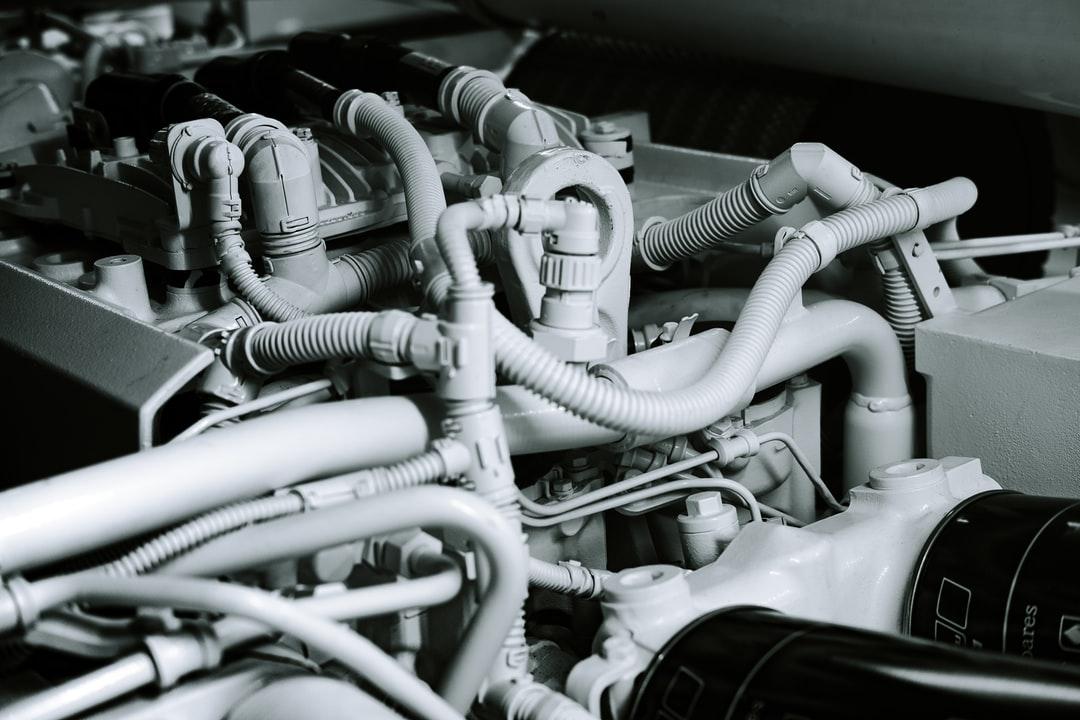
Remanufactured diesels provide an excellent balance of low cost and high dependability. Reusing solid engine blocks protects budgets and conserves resources.
Fleet managers gain durable powerplants that keep trucks on the road. Choosing these restored units is a smart strategy for long-term business growth. Fleets can stay competitive and maintain a strong bottom line.
