

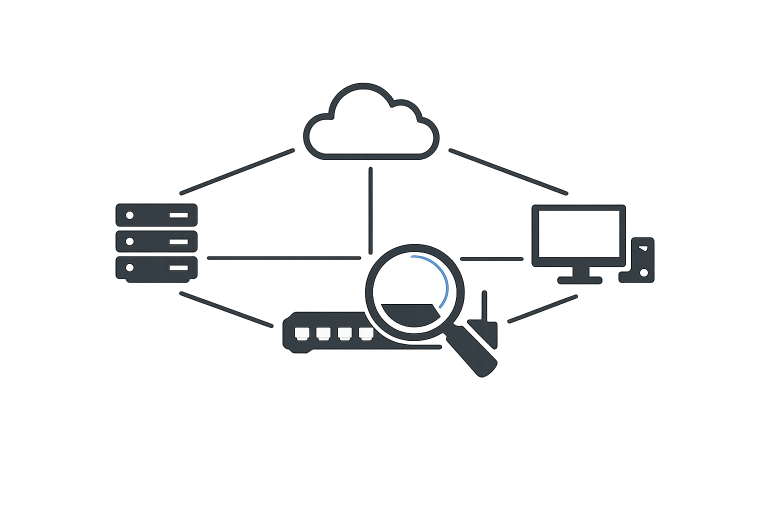
As organizations increasingly rely on complex IT systems, maintaining an accurate vision of network infrastructure has become critical. Modern network diagrams act as foundational tools for IT teams, providing intuitive maps that help professionals not only manage but also optimize their environments. By using a network diagram, teams gain essential insights into how hardware, software, and cloud services interact within their organizations.
These diagrams are more than just static images. They empower teams to swiftly troubleshoot outages, plan for growth, and enforce security best practices across distributed environments. With networks evolving rapidly due to factors like remote work and cloud adoption, visual documentation is key to avoiding errors and ensuring seamless operations.
The evolution of network diagrams mirrors the growing emphasis on real-time visibility and automation. Now, many organizations are adopting automated tools that enable continuous updates, ensuring that their diagrams reflect the actual state of their infrastructure at all times.
Whether used for supporting day-to-day maintenance, onboarding new staff, or meeting compliance requirements, up-to-date network diagrams form the backbone of efficient IT operations. They are as much a communication tool for planning and troubleshooting as they are a resource for regulatory audits.
The Importance of Network Diagrams
Visualizing an organization’s network topology bridges the gap between complexity and clarity. Network diagrams provide teams with bird’s-eye views that highlight nodes, connections, bottlenecks, and redundancies, making it easier to pinpoint vulnerabilities and optimize usage. For IT managers, they provide an immediate reference that streamlines troubleshooting, project planning, and resource allocation.
Well-maintained network diagrams are often markers of IT maturity. They reflect proactive monitoring practices, smoother collaboration, and fewer surprises during system changes or incidents. According to a recent Ninja One article, having comprehensive network documentation can drastically reduce the time needed to diagnose and remediate incidents, especially during high-pressure moments like cyberattacks or hardware failures.
Types of Network Diagrams
There are three primary types of network diagrams, each suited to different audiences and goals:
- Physical Network Diagrams: These diagrams show the actual, tangible layout of cables, switches, routers, and other hardware within facilities. Their purpose is to help teams make informed decisions about installation, repairs, or upgrades to physical infrastructure.
- Logical Network Diagrams: Logical diagrams illustrate how data and permissions move across the network. They represent IP addressing schemes, VLANs, and logical groupings, making them essential for software deployments, cybersecurity planning, and policy enforcement.
- Cloud Network Diagrams: As businesses migrate resources to cloud services, cloud network diagrams visualize relationships between on-premises and cloud-based systems. They track traffic paths, cloud workloads, and third-party integrations, assisting with configuration and compliance management.
Picking the right diagram type for a given situation ensures that diagrams address the correct audience and purpose, boosting their usefulness across teams and projects.
Benefits of Modern Network Diagrams
Leveraging modern diagramming techniques and automated updates offers transformational value for organizations:
- Enhanced Visibility: Network diagrams bring clarity to sprawling infrastructures, giving IT teams actionable overviews for monitoring, planning, and troubleshooting.
- Efficient Troubleshooting: Visualizing device locations and interconnections enables IT staff to trace paths quickly to identify and remediate faults, minimizing downtime.
- Proactive Monitoring: Diagrams that integrate with monitoring tools provide alerts and analytics, helping organizations resolve issues before they become critical disruptions.
An article from Network World highlights that automated network mapping solutions now play an essential role in optimizing resource allocation and reducing risk, especially as infrastructures cross traditional, virtual, and multi-cloud boundaries.
Tools for Creating Network Diagrams
Modern organizations rely on powerful tools to generate and update their network diagrams efficiently. Some of the most widely used solutions include:
- Auvik: This cloud-based platform offers real-time network maps, automated device discovery, and performance monitoring that update dynamically as infrastructure evolves.
- EdrawMax: EdrawMax features customizable templates and a user-friendly interface for building detailed diagrams suitable for IT, engineering, and cloud deployments.
- ManageEngine OpManager: This tool combines robust network monitoring with auto-generated visual mapping, enabling IT teams to quickly identify trends and incidents across their assets.
These tools significantly reduce the manual labor required to document and maintain diagrams, making network documentation more accurate and easier to manage over time. Automation guarantees that diagrams reflect the organization’s real-time state, minimizing the chance of errors or outdated information compromising uptime and security.
Best Practices for Maintaining Network Diagrams
To keep network diagrams useful, organizations should prioritize:
- Regular Updates: All changes, whether minor upgrades or major overhauls, should be promptly incorporated into diagrams to ensure accuracy.
- Clear Documentation: Standardized symbols, labels, and notations facilitate understanding for both internal teams and external auditors, avoiding misinterpretations.
- Access Control: Limit editing capabilities to authorized personnel while allowing broad viewing access, maintaining diagram integrity and reliability.
By embedding these practices into IT workflows, diagrams remain valuable long after their initial creation and support ongoing innovation, security, and compliance efforts.
Conclusion
As digital networks underpin every aspect of modern business, organizations cannot afford to overlook the value of precise, maintained network diagrams. By adopting modern tools, following best practices, and integrating continuous updates, IT teams can ensure their infrastructure remains robust, resilient, and ready for whatever comes next.
