

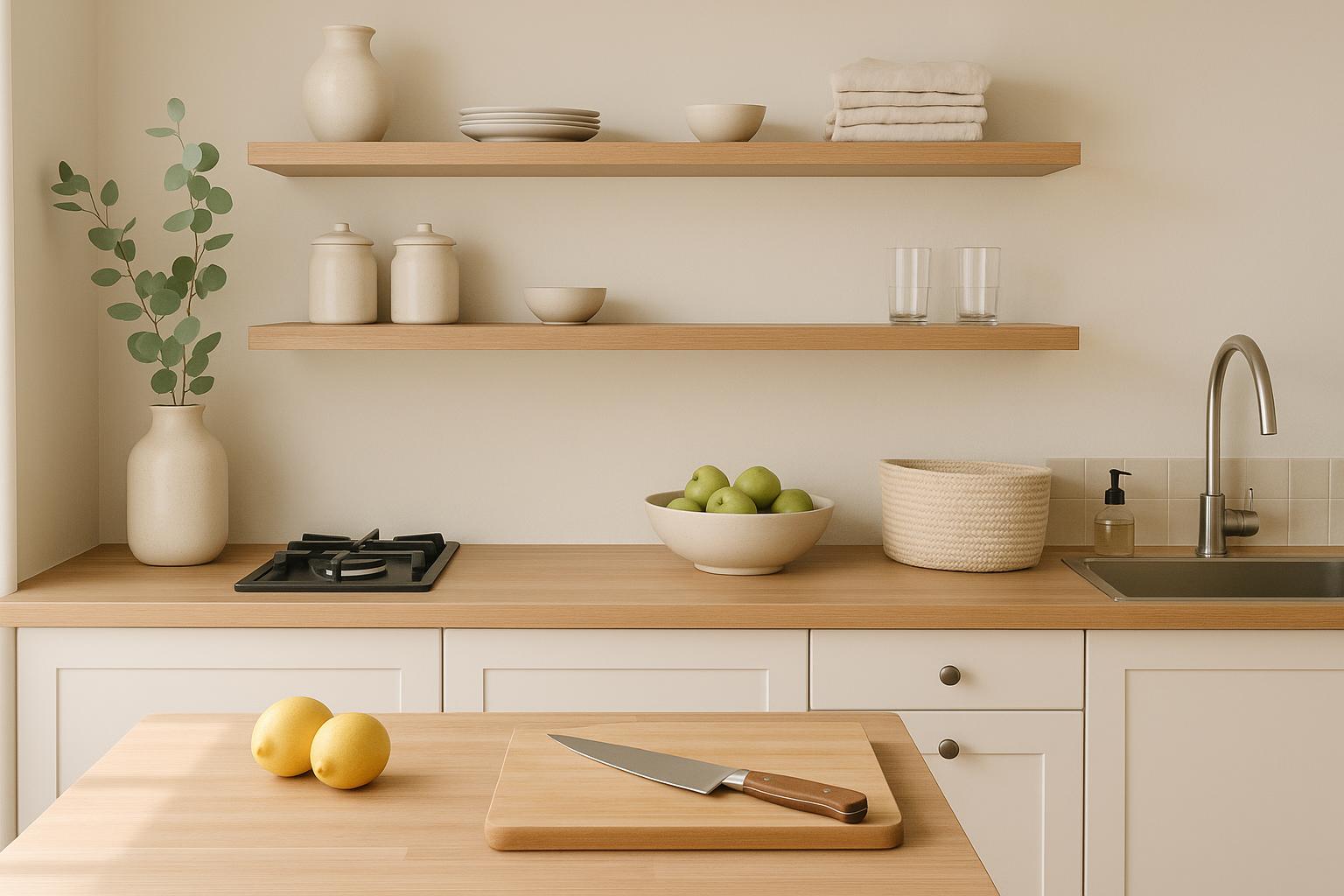
The kitchen has a habit of becoming the unofficial headquarters of the home. It’s where breakfast happens in a rush, where school notes and unopened mail land for no obvious reason, where dinner gets assembled after a long day, and where everyone somehow gathers even when there are perfectly good chairs elsewhere. Because it works so hard, it also tends to get messy faster than any other room.
That’s why knowing how to clean a kitchen in a way that feels manageable can make such a difference. A clean kitchen isn’t just about shiny benches or a sink with nothing in it; it changes how the whole home feels, making everyday routines smoother, calmer and a little less irritating.
Start With the Things That Slow You Down
A messy kitchen often feels overwhelming because everything is competing for attention at once. There are crumbs on the bench, dishes near the sink, fingerprints on the fridge, something mysterious under the toaster, and a pantry shelf that seems to be collecting half-empty packets as a hobby. Trying to fix everything in one burst can feel like too much, which is why it helps to start with the things that actually slow you down.
Clear the benches first. Not perfectly, just enough to give yourself space to work. Put away what belongs elsewhere, throw out anything that’s obviously rubbish, and move dishes either into the dishwasher or into a neat stack to wash. Once the surfaces are visible again, the whole room usually feels less chaotic almost immediately.
From there, focus on the areas you touch most: handles, taps, the stove, the sink and the main prep space. These are the spots that influence how clean the kitchen feels day to day, even if the inside of the oven could still use attention or the pantry isn’t exactly magazine-ready.
Don’t Save Everything for One Big Clean
The problem with waiting for a major kitchen clean is that the job gets bigger every day you avoid it. Grease settles, spills dry, crumbs travel, and suddenly a task that could’ve taken ten minutes now feels like a full weekend commitment. Small habits are far less dramatic, but they’re much easier to live with.
Wiping the bench after dinner, rinsing the sink before bed, dealing with spills when they happen and doing a quick fridge check before grocery shopping can stop the kitchen from sliding into that “where do I even start?” stage. None of these habits need to be perfect, and nobody’s kitchen stays clean all the time, but a few small routines can make the reset much faster.
It also helps to think in zones. The cooking zone needs clear prep space and a clean stove. The washing zone needs a usable sink, dishcloths that aren’t past their best, and enough room to stack or dry items. The storage zone needs things put back where people can actually find them. When each zone works, the kitchen stops feeling like one giant problem.
Make the Room Easy to Return To
A calm kitchen doesn’t mean an unused kitchen. It should still feel lived in, warm and practical. The goal is to make it easy to return to after the mess of real life has happened. A room that can be reset quickly is usually more useful than one that only looks good after hours of effort.
The Clean Kitchen Feeling Is Really About Ease
When the kitchen is clean enough to use without clearing space first, the day feels lighter. Cooking becomes less of a chore, mornings feel less frantic, and the busiest room in the house starts doing what it’s meant to do: supporting everyday life instead of adding to the noise.
