

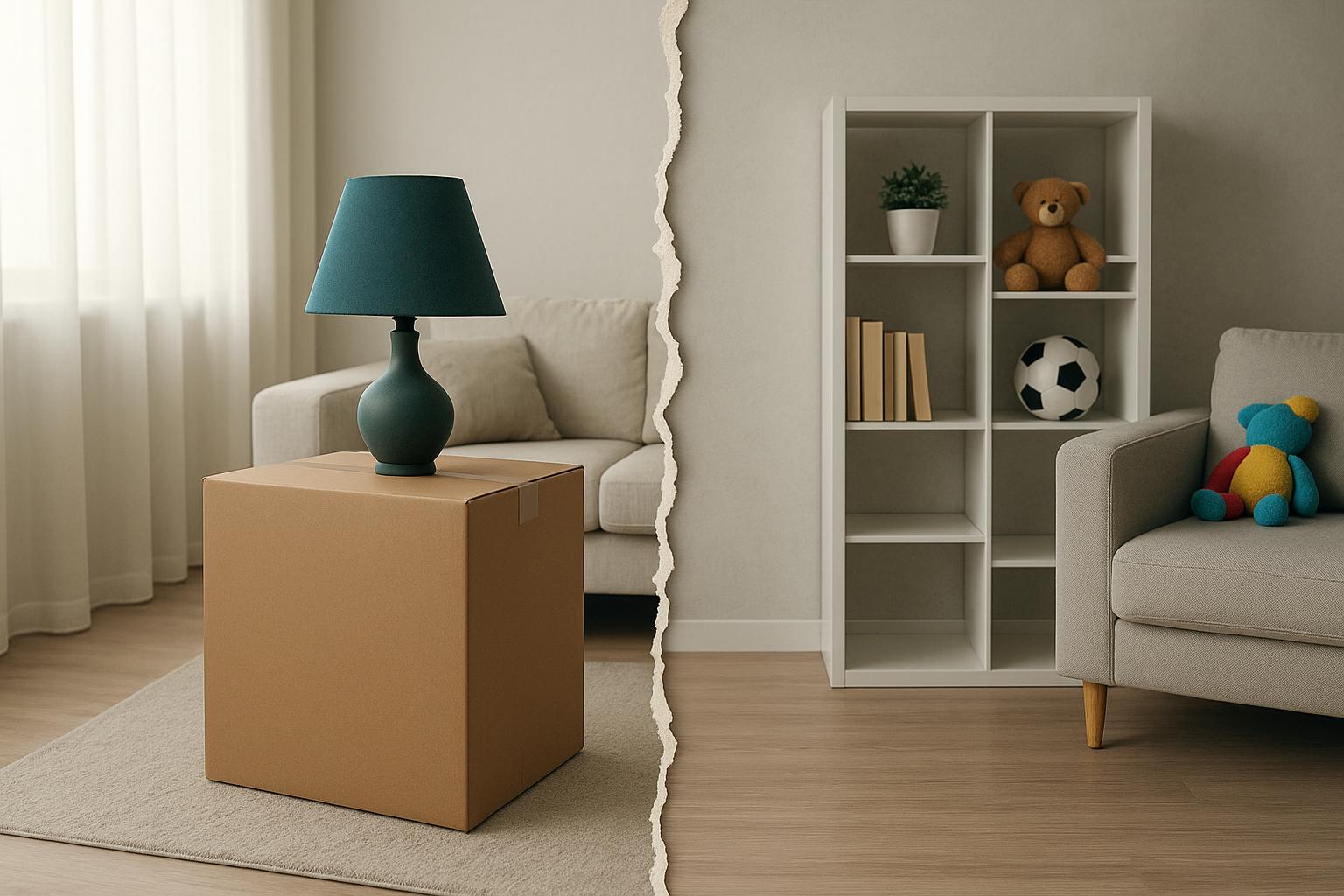
When a relationship ends, the emotional side is usually only one part of what people are trying to manage. There are also bills, routines, children, pets, belongings, mortgage repayments, awkward conversations and the question of who sleeps where while everything is being worked through. The home can quickly become the centre of the separation, not just because it’s financially important, but because it’s tied to safety, stability and the life people thought they were building.
One of the questions people often ask early is can you stay in the house after divorce, although in reality the issue can come up well before anything is formally finalised. It’s a practical question with emotional weight behind it, especially when children are involved or when one person feels they have nowhere else suitable to go.
The Family Home Is Rarely Just a Property
A house is easy to describe in legal or financial terms: title, mortgage, equity, repayments, ownership, value. But for the people separating, it’s rarely that neat. It might be where the children feel settled, where one person works from home, where family routines are anchored, or where memories make every room feel loaded. That can make decisions about staying, leaving or selling far more difficult than they look from the outside.
Sometimes one person assumes they have to leave because the relationship is over. Sometimes both people want to stay. Sometimes one person has already moved out but worries that doing so could affect future property arrangements. These concerns are common, and they’re exactly why getting proper advice early can help reduce confusion.
The right arrangement will depend on the circumstances. Safety, children’s needs, financial capacity, ownership details, mortgage obligations and the broader property settlement can all matter. What feels fair emotionally may not be the same as what’s practical, and what’s practical in the short term may not be the final outcome.
Avoid Making Big Decisions in Panic Mode
Separation can create a strange urgency. People feel pressure to make quick choices just to get through the next few days, but decisions about the home can have longer-term consequences. Moving out, changing locks, stopping payments, making informal promises or agreeing to arrangements without understanding them can all create complications later.
That doesn’t mean nothing should happen until everything is legally resolved. Families often need temporary arrangements so daily life can continue. The point is to make those decisions carefully, preferably with advice, rather than acting from fear, anger or exhaustion.
Communication can also be difficult during this period. Even simple discussions about bills or access to the home can become tense. Keeping records, staying calm where possible and using professional support when needed can make the process more manageable.
Stability Matters, Especially for Children
When children are part of the picture, the home often becomes even more sensitive. Parents may want to preserve routines, school access, bedrooms and a sense of normality while bigger decisions are being made. That doesn’t automatically mean one particular person must stay, but it does mean children’s practical and emotional needs are usually an important consideration.
Finding a Way Through the Uncertainty
The family home can feel like the biggest question in a separation because it represents so many things at once: money, memory, security and control. Getting clear advice can help separate what feels urgent from what actually needs to happen next, making it easier to move through a difficult stage with fewer assumptions and more confidence.
