

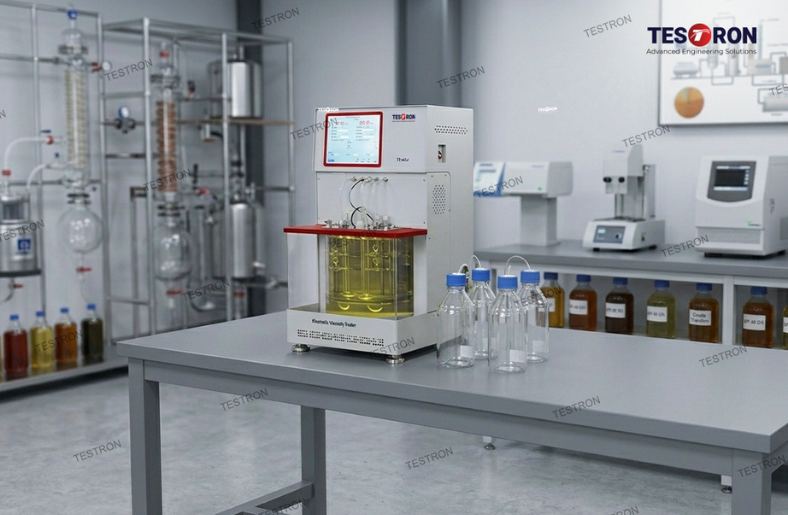
Viscosity is the key attribute that should be kept at an optimum level when handling lubricants, petroleum products or industrial oils. Even a small change in the way oil flows may affect the operation of the machinery, the reliability of the product and the efficiency over time.. This is why accurate viscosity testing has become a priority for manufacturers and testing laboratories.
Choosing the right oil viscosity tester in the USA is not only about purchasing another laboratory instrument. It is about selecting a solution that helps you follow ASTM standards, improve testing accuracy and maintain consistent quality.
This guide will help you understand what factors matter before investing in an oil viscosity testing solution:
Why Oil Viscosity Testing Is Important for Industrial Quality Control
Oil viscosity, is the measure of fluid’s resistance to flow under operating conditions. Very high or very low levels of viscosity can, result in poor lubrication performance, increased wear of machinery, and a negative impact on overall product quality.
Testing of petroleum products or automotive lubricants industries will use testing for oil viscosity to ensure that their products will perform as expected. Today oil viscosity measurement can aid laboratories testing oil samples and quality control in production.
A reliable oil viscosity meter will provide major assistance to companies to make the right decision regarding the formulation, production and quality monitoring. By performing accurate testing, you can reduce the amount of product waste, and, at the same time, boost consumer confidence.
Understanding ASTM Standards Before Choosing an Oil Viscosity Tester
ASTM standards are one of the main contributors to the development of uniform and credible ways of testing. By undertaking the testing methods, the laboratory results are more comparable, verifiable, and trustworthy.
National metrology systems are a key source of accuracy for today’s viscosity measurement. In this system, the contributions of the National Institute of Standards and Technology (NIST) go far beyond commercial ASTM methods; they provide the fundamental calibration standards and conduct research that back those methods.
The NIST Physical Measurement Laboratory is an excellent resource to discover in more detail how closely-controlled physical measurements lead to powerful industrial applications, and how it is through their efforts that the accuracy of today’s fluid dynamics and fluid-testing tools is guaranteed.
An advanced oil viscosity measurement instrument helps maintain repeatable results by controlling important testing conditions. For businesses supplying products across various industries, ASTM compliance supports quality expectations and improves acceptance in competitive markets.
Selecting a tool that matches the required standards also prepares your laboratory for audits, certificates and future testing requirements.
What to Look for in an Oil Viscosity Tester in the USA
Before selecting an oil viscosity tester in the USA, you should understand the features that directly impact testing performance.
Accurate DimensionsCapability
Accuracy is the foundation of any viscosity testing process. Your equipment should provide stable and repeatable results, especially when testing different oil grades and formulations.
Temperature Control Performance
Temperature fluctuations can impact oil viscosity. A reliable oil viscosity tester machine should maintain stable temperature throughout the test cycle to provide accurate dimensions.
Easy Operation and Data Management
Modern laboratories need systems that simplify daily operations. Digital controls, easy data recording and simple interfaces help operators perform tests efficiently while reducing manual errors.
Choosing the Right Tester Based on Your Application
Every industry has different testing requirements. The right solution depends on the types of materials you test and the accuracy your procedure requires.
Petroleum and lubricant testing requires durable petroleum testing equipment capable of supporting routine quality assessments and demanding laboratory environments. . These systems help validate product consistency before oils reach customers.
A viscosity tester for oil is commonly used for engine oils, hydraulic fluids, industrial lubricants and similar products. However, viscosity measurement is not limited to oils. A Viscosity tester for paint is also used in coating industries where flow properties affect application quality and final results.
Common Mistakes Buyers Should Avoid When Selecting a Tester
Many buyers focus only on initial cost without considering long-term performance. However, selecting equipment without proper evaluation can create testing limitations later.
Common mistakes include:
- Selecting a machine without checking ASTM compatibility.
- Ignoring calibration and service support.
- Choosing equipment without considering future testing needs.
- Comparing only the price instead of the overall value.
Avoiding these mistakes helps you invest in a system that supports your laboratory for years.
How to Compare Oil Viscosity Tester Manufacturers and Suppliers
Selecting the equipment provider is equally important as choosing the right machine. A professional manufacturer of oil viscosity testers would be familiar with the industry’s needs and be able to offer you a wide range of testing applications.
A reliable oil viscosity tester supplier will always have your back even after you make a purchase by offering you installation guidance, technical assistance, calibration support, and maintenance services.
Having a seasoned partner at your side not only cuts downtime but also guarantees that your testing process will be smooth.
Final Checklist Before Buying an Oil Viscosity Tester in the USA
Before making your investment, review your testing requirements carefully. Make sure your equipment offers:
- Required ASTM standard compatibility
- Accurate measurement performance
- Reliable temperature control
- Simple operation and reporting features
- Calibration and service support
- Long-term supplier assistance
This checklist is to guide you in selecting a product that not only caters to your existing needs but also has the capability to support your growth in the future.
Making the Right Choice for Accurate Oil Testing Results
Investing in the right tester for measuring oil viscosity is an investment that can greatly benefit labs. Regularly getting high-quality results, ensuring the quality of the product, and staying in compliance with the industry standards are all aspects that an effective tester can handle for your laboratory.
A well-selected system is not only an equipment purchase but a long-term investment in better quality control.
If you are ready to upgrade your testing process, contact Testron Group today or request a demo to find the right oil viscosity testing solution for your laboratory needs.
