

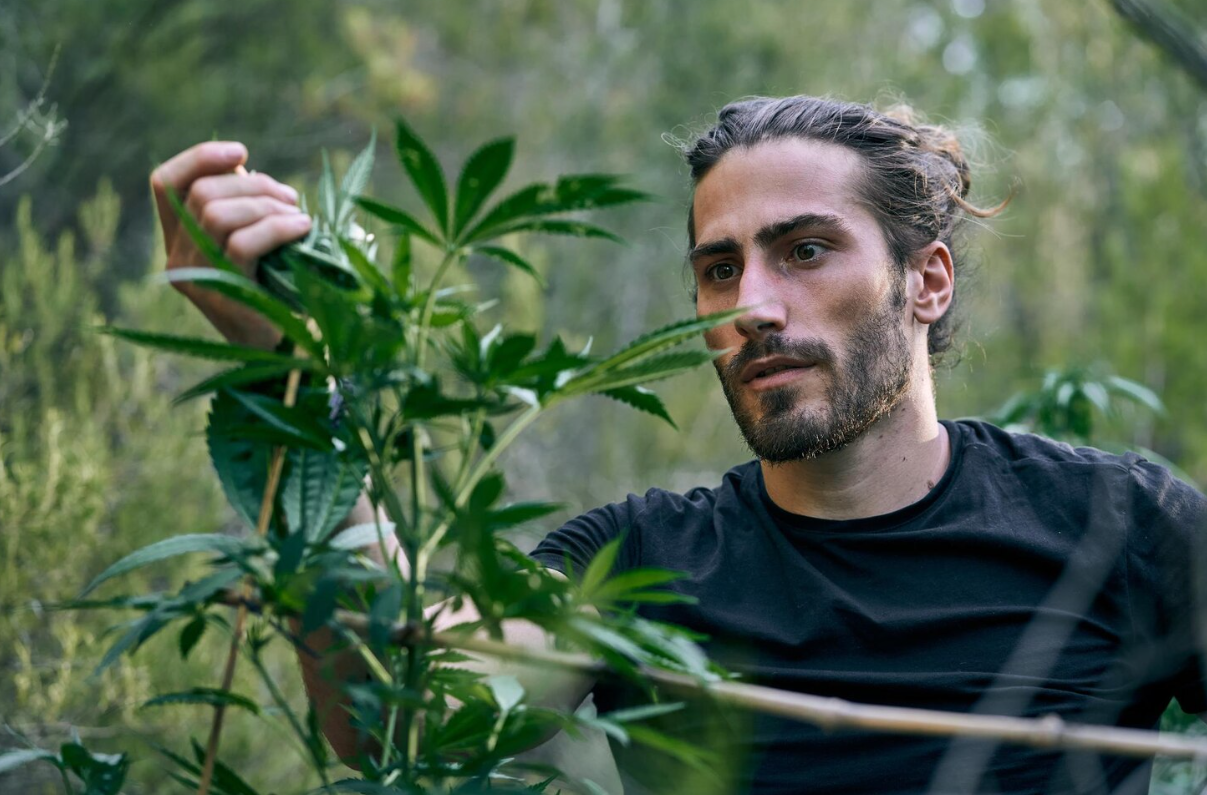
Cannabis cultivation is possible in both indoor and outdoor environments. You just have to provide the right conditions. Although cannabis can grow in both places, changing location can impact qualities in more ways than you can imagine.
You can decide the right place for cannabis growth on the basis of the growth trajectory and final product quality in both places. Let’s discuss how indoor and outdoor cannabis growth differ and how location can impact the quality of the final product.
Cost Differences
Costs also vary depending on your harvest location. If you have decided to harvest cannabis in a controlled indoor environment, you would have to invest a large amount in creating ideal growth conditions. Whereas, outdoor can be a more sustainable and cost-effective option because you aren’t spending extra to provide an ideal flourishing environment.
However, to make quality products like top-shelf marijuana seeds, you should try to grow cannabis in a controlled manner to get consistent THC concentration across batches, and when your product turns out to be high quality, it can earn you more profit than your initial investment.
Quality Variation
The quality of cannabis depends on its aroma, taste, and THC level. And these things vary a lot depending on the location of harvest for this flowering plant. With indoor growth, you can control the environment, providing more consistent care and ideal conditions for cannabis to grow. So the final product can be closer to your initial vision. You can grow higher, more consistent THC levels. Using the right kind of seed can also help you achieve your desired results. You can get quality seeds from Humboldt Seed Company; they offer a wide range that provides diverse potency options.
Outdoor harvest can also result in better quality, especially when environmental conditions are favourable. The final product is often not very predictable, and you end up getting a diverse cannabinoid profile.
Flavour and Aroma Changes
Cannabis flavour and aroma are the main factors that shape your overall experience. The terpenes level in cannabis controls these factors. And it is believed that outdoor conditions like natural soil ecosystems and real sunlight result in the production of a richer and more complex terpenes profile. Environmental stressors like wind and temperature variation may encourage the plant to produce more protective compounds, which influence aroma.
On the other hand, Indoor cannabis is often praised for its clean and controlled conditions. You can monitor and provide the necessary nutrients and humidity levels to produce smooth, well-trimmed buds with consistent cannabinoid content.
Light Source
Indoor cannabis relies on artificial lighting systems that mimic the sun. These lights are carefully timed to control vegetative growth and flowering stages, especially because these stages are the most decisive time for the final THC concentration. As light intensity and exposure are managed closely during this time, indoor plants often grow compact with dense, tight buds that are highly potent.
Outdoor cannabis benefits from full-spectrum sunlight, which enhances the terpene profile, resulting in improved taste and aroma. Outdoor plants typically grow larger and taller because they have more space and natural light exposure. As a result, yields per plant can sometimes be higher outdoors, but the final output also varies depending on the climate conditions.
Conclusion
Indoor and outdoor cannabis each have unique strengths. Indoor growth provides control and predictability, while outdoor cultivation offers natural advantages and potentially richer terpene expression. Ultimately, the best choice depends on climate, resources, and the harvesters’ goals. Because with the right care, both methods have the potential to produce good-quality cannabis.
