

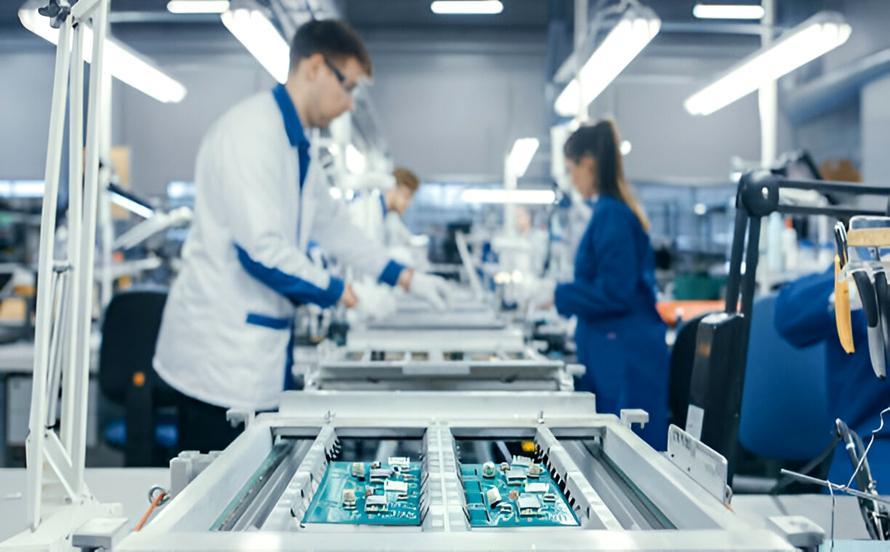
Electronics development often begins with prototypes, pilot production runs, or specialized products that do not require large-scale manufacturing. In these situations, low volume PCB assembly becomes an essential solution for startups, R&D teams, and manufacturers launching new electronic products. Unlike mass production, low volume assembly focuses on flexibility, fast turnaround, engineering support, and high-quality production for smaller quantities of printed circuit boards.
Whether companies are validating a design, performing field testing, or producing niche industrial equipment, choosing the right manufacturing partner is critical. Understanding the benefits, processes, and considerations of low volume PCB assembly helps businesses reduce development risks while accelerating time to market.
What Is Low Volume PCB Assembly?
Low volume PCB assembly refers to the manufacturing and population of printed circuit boards in relatively small quantities, typically ranging from a few units to several thousand pieces. This type of production is ideal for prototypes, engineering validation tests (EVT), design validation tests (DVT), pilot runs, and specialized products that do not require mass production.
Unlike high-volume production lines that prioritize maximum output efficiency, low volume assembly emphasizes flexibility, customization, and engineering collaboration. Manufacturers often provide hands-on technical support, allowing design adjustments and component substitutions when needed. This flexibility makes low volume production particularly valuable for companies that are still refining their electronic designs.
Another advantage is faster lead times. Since smaller production batches require less setup time and fewer materials, companies can receive assembled boards quickly, allowing faster testing and quicker product launches.
Key Benefits of Low Volume PCB Assembly
One of the biggest advantages of low volume PCB assembly is cost efficiency during the early stages of product development. Producing large quantities before finalizing a design can lead to expensive redesigns and wasted inventory. Low volume manufacturing allows companies to test functionality, reliability, and market response before scaling production.
Flexibility is another major benefit. Engineers often need to update components, revise layouts, or modify circuit designs based on testing results. Small production runs make these design iterations easier and more economical, helping companies improve product performance without major financial risk.
Low volume assembly also improves product quality. Since production quantities are smaller, manufacturers can pay closer attention to inspection, testing, and quality control procedures. This results in more reliable assemblies and reduces the chances of defects reaching later production stages.
Additionally, businesses launching specialized or niche products may never require large-scale production. In such cases, low volume assembly provides an efficient long-term manufacturing strategy rather than simply serving as a temporary solution.
Low Volume PCB Assembly Process
The process of low volume PCB assembly generally follows the same technical steps as high-volume manufacturing but with greater focus on customization and engineering review. The process begins with design verification, where manufacturers review the bill of materials (BOM), Gerber files, and assembly requirements to ensure manufacturability and component availability. Design for Manufacturability (DFM) checks help identify potential issues before production begins.
Component sourcing is an important stage, especially when dealing with small quantities. Experienced manufacturers maintain strong supply chain networks, allowing them to procure components efficiently while avoiding counterfeit or unreliable parts. For low volume runs, flexible sourcing solutions are essential because certain components may not be available in small packaging quantities.
During assembly, automated SMT placement equipment is typically used for surface-mount components, while through-hole parts may be inserted manually or through selective soldering processes. Since production quantities are smaller, technicians can closely monitor each stage of the process, ensuring accurate component placement and soldering quality.
Inspection and testing play a critical role. Automated optical inspection (AOI), X-ray inspection for complex packages such as BGAs, and functional testing ensure that each assembled board meets performance requirements. Because low volume runs often support product development, testing results may also provide valuable feedback for design improvements.
Applications of Low Volume PCB Assembly
Low volume PCB assembly is widely used across many industries where innovation and rapid development cycles are essential. Startups developing new consumer electronics rely on small production runs to test market demand before committing to full-scale manufacturing. Industrial equipment manufacturers use low volume assembly to produce specialized control systems or customized electronic modules.
Medical device companies frequently require low volume production for testing and regulatory certification processes. Aerospace, defense, and research organizations also depend on low volume manufacturing because many of their products are highly specialized and produced in limited quantities.
The growing trend of Internet of Things (IoT) devices and smart technology development has further increased the demand for flexible, small-batch PCB assembly solutions that allow rapid prototyping and iterative product improvement.
Choosing the Right Manufacturing Partner
Selecting the right manufacturing partner is essential for successful low volume production. Companies should evaluate manufacturers based on their engineering support capabilities, component sourcing expertise, quality certifications, and ability to handle quick-turn orders. A reliable manufacturing partner should offer transparent communication, design assistance, and flexible production scheduling to support product development timelines.
Quality certifications such as ISO 9001, IPC-A-610 compliance, and advanced inspection capabilities are important indicators of a manufacturer’s commitment to reliability. Manufacturers with strong supply chain management systems can also help minimize delays caused by component shortages, which is particularly important for small-batch production.
Technical support is another key factor. A manufacturer that provides design feedback, DFM recommendations, and testing support can significantly improve product success rates and reduce costly redesigns.
Future Trends in Low Volume PCB Assembly
As electronics innovation accelerates, the demand for flexible manufacturing solutions continues to grow. Rapid prototyping technologies, digital manufacturing systems, and smart factory automation are enabling faster turnaround times and improved production efficiency for small-batch assembly. Advanced supply chain tracking systems are also helping manufacturers secure critical components more effectively, reducing lead time uncertainties.
Additionally, the increasing adoption of customized electronics across industries such as robotics, medical technology, renewable energy, and smart devices is expected to drive continued demand for low volume PCB assembly services. Companies that integrate engineering collaboration with advanced manufacturing capabilities will remain competitive in this evolving market.
Conclusion
Low volume PCB assembly plays a vital role in modern electronics development by enabling fast prototyping, design validation, and specialized product manufacturing without the risks associated with large-scale production. It provides flexibility, cost efficiency, and improved product quality during the early stages of product development, helping businesses move confidently toward full-scale manufacturing when ready. Partnering with an experienced PCB assembly company that offers engineering support, reliable sourcing, and rigorous quality control ensures successful production outcomes and faster product launches in today’s competitive electronics market.
